Job Search Strategy Guide: How to Find a Job in 2026
A step-by-step job search strategy for 2026: the funnel, where roles really come from, how to apply, interview, and close offers without burning out.

Raman M.
Software Engineer & Career Coach
On this page
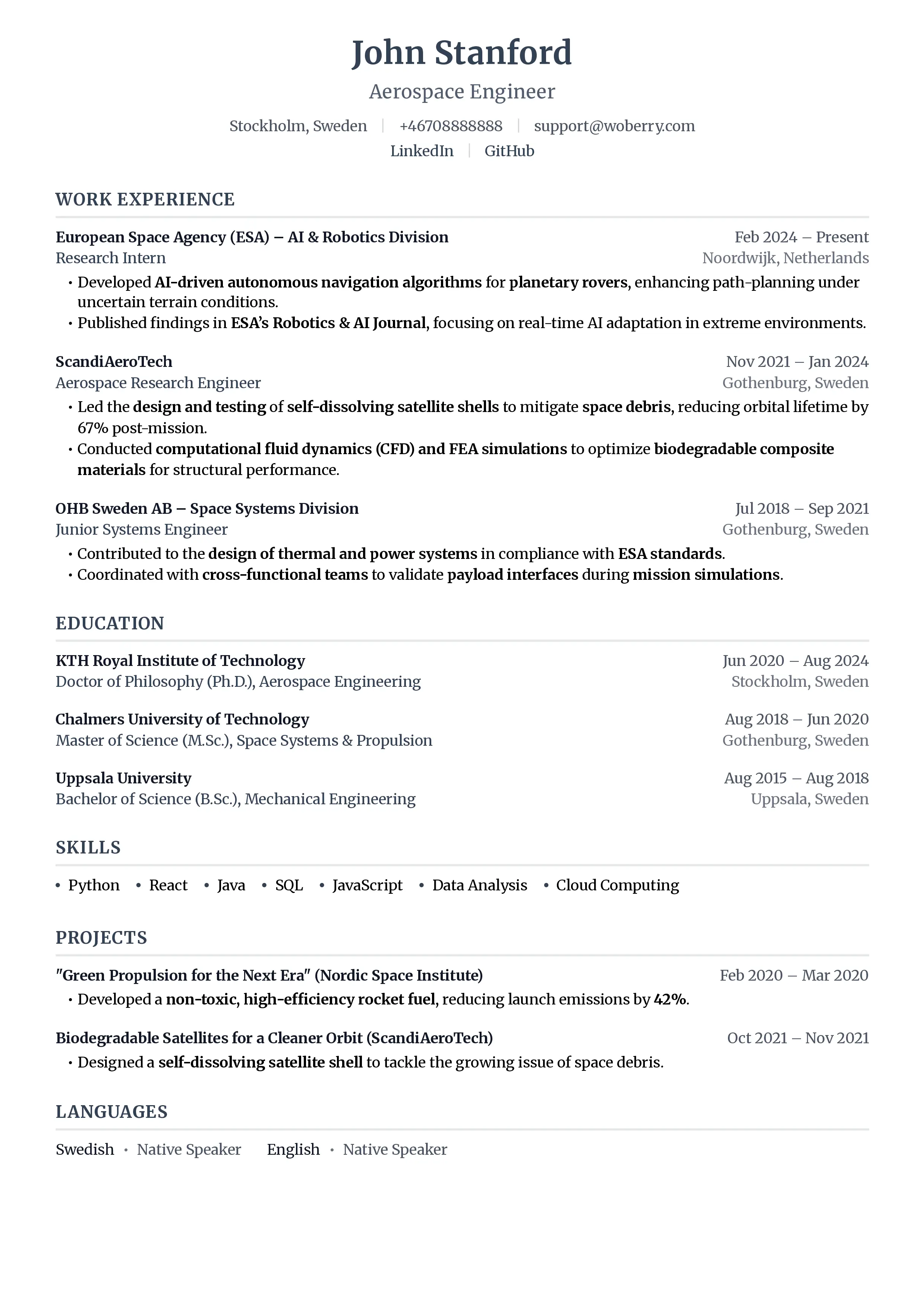
Build a resume that gets interviews
- ATS-optimized templates
- AI-powered writing
- Free to start
No credit card required
You open the job board, filter by your title, and start applying. Twenty applications later, you have two automated rejections and eighteen silences. So you apply to twenty more. The activity feels like progress, but the results say otherwise, and you are starting to wonder if the problem is you.
It usually is not. The problem is almost always strategy, not effort. Most job searches fail not because the candidate is unqualified, but because they are pouring energy into the lowest-yield channel, sending untailored applications, and treating a multi-stage process like a single button click.
This guide gives you the whole system, stage by stage. It is the hub for our job search cluster, so each stage links to a deeper playbook when you want to drill in.
What a job search strategy actually is
A job search is a funnel, not a lottery. Applications become responses, responses become screens, screens become interviews, and interviews become offers. At every stage, most candidates drop out. A strategy is simply the decision to work that funnel deliberately: widen the top with the right channels, raise the conversion at each stage, and protect your energy so you can sustain it.
Once you see it as a funnel, the math stops being demoralizing and starts being useful. You are not failing. You are running a process with known drop-off rates.
The Job Search Funnel
Here are rough, real-world benchmarks for a typical search. Yours will vary by field, level, and market, but the shape holds. The detailed numbers are in the hiring funnel benchmarks for 2026.
| Stage | What happens | Rough conversion |
|---|---|---|
| Applications | You submit a tailored resume | 100 sent |
| Responses | Recruiter or ATS advances you | 10 to 20 reply |
| Phone screens | A recruiter qualifies you | 6 to 12 calls |
| Interviews | Hiring team evaluates you | 3 to 6 loops |
| Offers | You get the yes | 1 to 2 offers |
The lesson hidden in this table: a small lift at the top or in early conversion changes everything downstream. Doubling your response rate by tailoring, or adding a referral channel, is worth more than blindly doubling your application count.
Not sure which stage is leaking for you? Run your own numbers through the hiring funnel calculator to see where you fall below benchmark and what to fix first.
Stage 1: Position yourself before you apply
Spraying applications with a generic resume is the most common way to stay stuck. Before you apply to anything, get two things right.
First, your resume. It should be tailored to the kind of role you want and clean enough to pass applicant tracking systems. If yours needs work, start with the resume writing guide, then tailor it per posting.
Second, your LinkedIn profile, because recruiters search it directly. Optimizing it for the terms recruiters actually type is covered in LinkedIn profile optimization for your job search.
Get these right once and every later stage converts better.
Stage 2: Find roles where they actually live
This is where strategy pays off most, because the best roles are often filled before they are ever posted. A large share of hiring happens through referrals and networks, not public listings. If you only work the job boards, you are competing in the most crowded channel for the smallest slice of openings. The data is in the hidden job market.
Spread your effort across channels by payoff, not by comfort:
| Channel | Effort | Payoff | Start here |
|---|---|---|---|
| Referrals and warm intros | Medium | Highest | Tell your network what you want |
| Recruiter outreach on LinkedIn | Medium | High | Cold-message recruiters |
| Informational interviews | Medium | High | The informational interview guide |
| Direct applications, tailored | High | Medium | Job boards plus a tailored resume |
| Mass applications, untailored | Low | Lowest | Avoid as your main channel |
If networking makes you cringe, you are not alone, and it does not have to mean working a room. Networking for introverts shows how to do it in writing, one person at a time. Timing matters too: the best time to apply for jobs can lift your odds before a human ever sees you.
Stage 3: Apply so you actually get a response
Volume without quality is the trap. Ten tailored applications beat fifty generic ones. For each role worth your time:
- Mirror the posting's language so you clear the ATS and read as a fit.
- Decide whether a cover letter helps. When you need one and when you can skip it is in cover letter vs resume.
- Do not screen yourself out. If you meet roughly 60% of the requirements, apply anyway. The reasoning is in should you apply for jobs you are not fully qualified for.
Quality at this stage is what turns that 100-to-15 response rate into something better.
Stage 4: Interview like you did the homework
Once you are in the funnel, preparation separates offers from near-misses.
It usually starts with a recruiter phone screen, a short call that checks fit, motivation, and logistics like salary and timing. Walk in ready using how to prepare for a recruiter phone screen.
Before any interview, do focused research. Interviewers reward specificity, and a little homework surfaces smart questions. The method is in how to research a company before an interview, and the full interview system, including STAR stories and practice questions, is in how to prepare for a job interview.
Afterward, follow up. A thank-you email after the interview keeps you top of mind, and if you are waiting on a response to an application, a well-timed follow-up email can restart a stalled process.
Stage 5: Evaluate and negotiate the offer
Getting the offer is not the finish line, it is a decision point. Almost every offer has room to negotiate, and almost no one regrets asking professionally.
Compare offers on more than salary using the job offer evaluation guide, then negotiate with a clear, evidence-backed number. The approach is in salary negotiation. A few minutes of preparation here is often worth more per hour than anything else in your search.
How long this takes, and how to last
A real job search in 2026 commonly runs a few months, not a few weeks, and the timeline depends heavily on your field and level. Setting honest expectations is half of staying sane: see how long a job search takes in 2026.
Treat the search like a part-time job with hours and a stop time, track your funnel so you can see what is converting, and protect your mental health. Burning out in month one helps no one. The candidates who win are usually the ones who simply kept a sustainable process running longer.
The mistakes that stall most searches
| ❌ Mistake | ✅ Fix |
|---|---|
| Only applying through job boards | Add referrals and recruiter outreach |
| Sending one generic resume everywhere | Tailor to each posting |
| Measuring effort by applications sent | Measure conversion at each funnel stage |
| Skipping research before interviews | Prepare specific, role-aware questions |
| Treating the offer as the end | Evaluate and negotiate every time |
| Sprinting, then burning out | Run a sustainable, trackable routine |
Your next move
Pick the stage where your funnel is leaking most. If you get no responses, fix positioning and tailoring. If you get screens but no interviews, sharpen your prep. If you get interviews but no offers, work on stories and research. Then go one layer deeper with the linked guide for that stage.
When your resume is the bottleneck, ResumeFast helps you build an ATS-ready, tailored resume in minutes and scores it against the exact role you are targeting. Strategy plus a strong resume is what turns a silent inbox into a calendar full of interviews.
Frequently Asked Questions
What is the best job search strategy in 2026?
Treat your search as a funnel and work it deliberately: position your resume and LinkedIn first, find roles through referrals and outreach rather than only job boards, apply with tailored applications, prepare specifically for interviews, and negotiate every offer.
How many jobs should I apply to?
Quality beats volume. Ten tailored applications typically outperform fifty generic ones. Track your response rate, and if it is low, fix your resume and tailoring before increasing volume.
How long does a job search take?
A typical search in 2026 runs a few months rather than a few weeks, and it varies a lot by field, seniority, and market. Setting that expectation up front helps you pace yourself and avoid burnout.
Is the hidden job market real?
Yes. A large share of roles are filled through referrals and networks before or instead of being posted publicly, which is why networking and recruiter outreach convert far better than mass applications.
Should I apply if I do not meet every requirement?
Usually yes. Job descriptions are wish lists, not strict checklists. If you meet roughly 60% of the requirements, especially the must-haves, it is worth applying.
Your resume is your first impression. Make it count.
Join 50,000+ job seekers using ResumeFast to build ATS-optimized resumes that actually get interviews.
No credit card required. Free forever.
Continue Reading
View all articles
Should You Apply for Jobs You're Not Qualified For?
Walk Me Through Your Resume: The 90-Second Answer Framework
Job Hopping in 2026: How Short Tenures Actually Read on Your Resume
Reference Checks Decoded: What Employers Actually Verify (and What They Can't)

Take-Home Assignments in 2026: When to Do Them, When to Walk Away

How to Evaluate and Compare Job Offers: The 2026 Decision Guide
Build a resume that gets interviews
Ready to build your resume?