How to Prepare for a Recruiter Phone Screen (2026)
A recruiter phone screen checks fit, motivation, and logistics, not deep skill. Here is the question set, a salary script, and the green flags to hit.

Raman M.
Software Engineer & Career Coach
On this page
Build a resume that gets interviews
- ATS-optimized templates
- AI-powered writing
- Free to start
No credit card required
You finally got a reply. It is not a rejection and it is not an offer, it is an email asking for a "quick 20-minute call with a recruiter." That sounds low stakes, almost casual. But you are staring at your calendar wondering what they actually want, whether you should rehearse, and how a 20-minute chat could possibly sink your candidacy. It can. Here is what the call really tests, and how to walk in ready.
The short answer
A recruiter phone screen is a short qualifying call that checks fit, motivation, and logistics (salary, location, timeline) and basic communication, not deep technical skill. You pass by being concise, enthusiastic, and aligned on the basics. The recruiter is not trying to grill you on your craft. They are trying to confirm you are a real, reasonable, motivated candidate worth a hiring manager's time.
So the goal of your prep is simple: remove every reason for them to say no, and give them a clean story to pass along.
Why recruiters run this call at all
To prepare well, you have to understand the recruiter's job. The recruiter is a gatekeeper, not the decision maker. Their performance is measured by how many qualified, viable candidates they advance to the hiring manager without wasting that manager's time.
That means the phone screen exists to catch obvious mismatches early: someone whose salary expectations are double the budget, who cannot legally work in the location, who is actually looking for a different role, or who cannot explain their own background clearly. None of these require a technical deep dive. They just require a 20-minute conversation.
Reframe the call this way and your nerves settle. The recruiter wants you to pass. Every advance is a win for them too. Your job is to make saying yes easy.
The standard phone screen question set
Recruiter screens are remarkably predictable. Below is the question set you should expect, with what they are really checking underneath each one. Prepare a 60 to 90 second answer for each and you have covered roughly 90 percent of any screening call.
| Question | What they are really checking |
|---|---|
| Tell me about yourself | Can you summarize your career in a clear, relevant arc instead of rambling for five minutes |
| Walk me through your background | Does your resume match your story, any unexplained gaps or job-hopping |
| Why this company / this role | Did you actually read the job post, or are you spraying applications everywhere |
| What are you looking for next | Does what you want match what this role offers, so you will not bail in month two |
| What are your salary expectations | Are you inside the budget band before anyone invests more time |
| What is your notice period / availability | Can you start within their hiring timeline |
| Are you authorized to work here / open to this location | Any hard logistical blocker that disqualifies you outright |
| Are you interviewing elsewhere | How fast they need to move, and how serious you are |
Notice that only two of these touch your actual skills, and even those are about clarity, not depth. The rest are pure qualification. That is the whole game.
The salary expectations script
The salary question is where most candidates freeze or undersell themselves. Do not give a single number, and do not refuse to answer, that reads as evasive. Give a researched range with a one-line reason. Fill in this template before the call:
"Based on my research for this kind of role in [location/market], I am targeting somewhere in the [$X to $Y] range. I am flexible depending on the full scope, the level, and the rest of the package. What range did you have budgeted for this position?"
Three things make this work:
- The range signals you have done homework and are not pulling numbers from the air.
- "Flexible depending on scope" keeps you in the conversation even if your number is slightly off.
- Turning the question back invites them to share the band, which is gold for later. For the deeper version of this move, see our salary negotiation tips.
Set your range so the bottom of it is a number you would genuinely accept. Recruiters often anchor to the low end.
Green flags vs red flags the recruiter is listening for
While you answer, the recruiter is quietly sorting you. Here is what tips you into the "advance" pile versus the "thanks, we will be in touch" pile.
| Green flags (advance you) | Red flags (stall you) |
|---|---|
| Concise, structured answers | Rambling, no clear point |
| Specific reason for wanting this role | Generic "I need a job" energy |
| Salary range with reasoning | A number with no basis, or refusing to answer |
| Knows what the company does | Confusing them with a competitor |
| Calm, warm, curious tone | Bored, irritated, or arrogant tone |
| Asks one or two smart questions | No questions at all |
| Honest about gaps and timeline | Vague or defensive about basics |
The single biggest controllable factor is brevity with substance. Recruiters screen dozens of people. The candidate who answers cleanly and warmly stands out far more than the one with the most impressive resume but a scattered delivery.
A 30-minute prep checklist
You do not need hours. You need focus:
- Re-read the job description and circle the three requirements you match best. Lead with those when they ask "why you."
- Skim the company's homepage and recent news. One sentence of genuine context beats none.
- Lock in your salary range using the script above.
- Confirm your logistics: notice period, earliest start date, location and authorization status.
- Prepare two questions to ask them, for example about the team or the interview process.
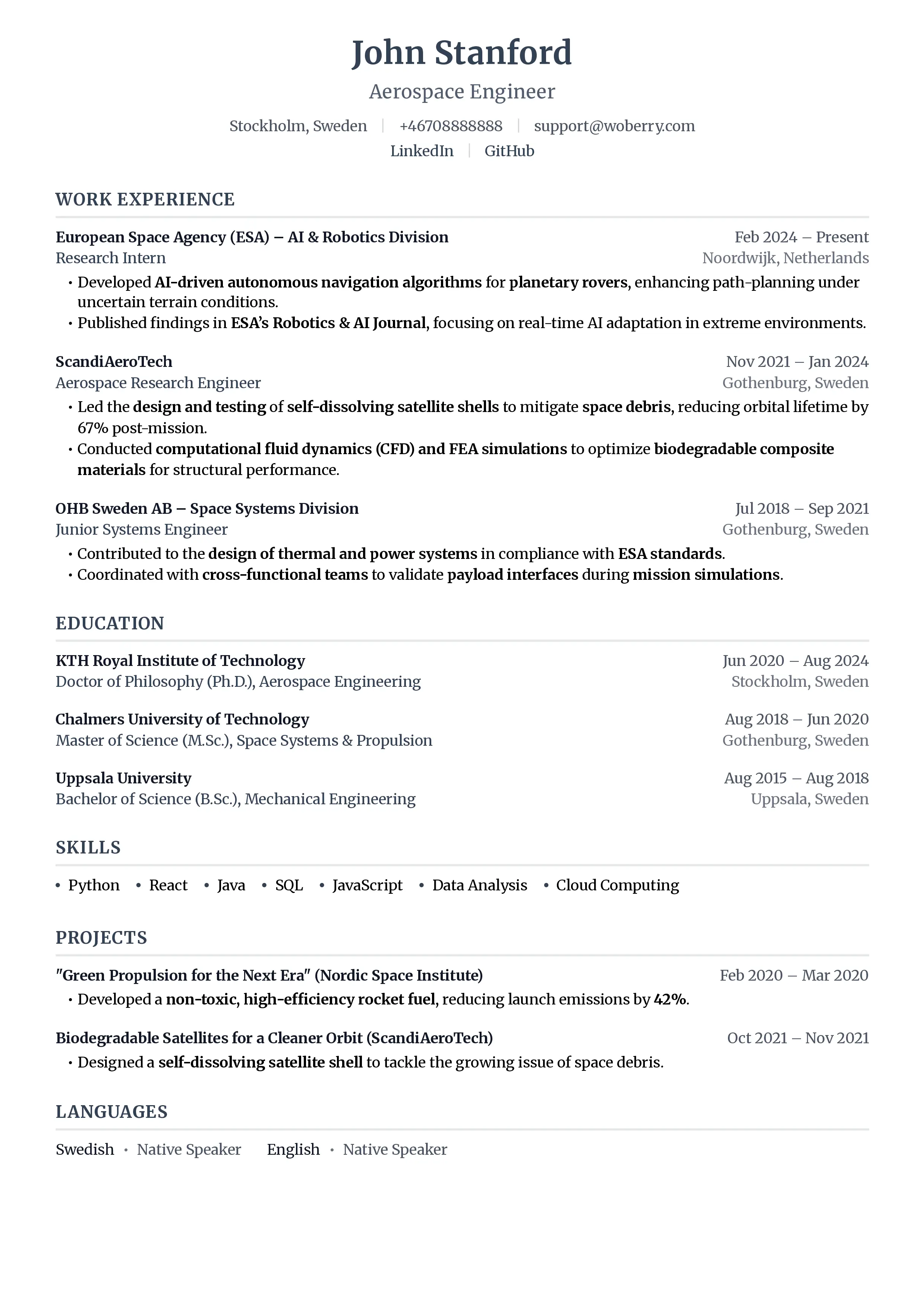
- Make sure your resume is current and clean, because they will follow it as you talk. If yours feels dated, ResumeFast can tighten it up fast.
A recruiter screen is the first gate in a longer process. For the stages after this, read how to prepare for a job interview, and do not skip the follow-up email after applying to keep momentum. For the bigger picture, this post is part of our job search strategy guide.
The mindset that wins
Treat the recruiter as an ally on your side of the table, because they functionally are. Answer the predictable questions cleanly, hit your green flags, name a sensible salary range, and ask a thoughtful question or two. Do that and you turn a "quick 20-minute call" into your ticket to the next round.
Frequently Asked Questions
How long does a recruiter phone screen usually last?
Most run 15 to 30 minutes. If it stretches longer, that is usually a good sign that the recruiter is engaged and wants to advance you.
Should I give a salary number in the phone screen?
Yes, but give a researched range rather than a single figure, and add that you are flexible depending on scope and the full package. Then ask what range they have budgeted.
What should I do after the recruiter phone screen?
Send a short thank-you note within a day, restate your interest, and confirm any next steps or timeline the recruiter mentioned. It keeps you top of mind and shows follow-through.
Your resume is your first impression. Make it count.
Join 50,000+ job seekers using ResumeFast to build ATS-optimized resumes that actually get interviews.
No credit card required. Free forever.
Continue Reading
View all articles
How to Research a Company Before an Interview (2026)
Is Resume.io Free? What You Actually Pay in 2026
How to Cancel Resume.io (2026): Avoid the $29.95

Zety vs Resume.io: Which Builder Wins in 2026?

How to Cancel Zety (2026): Stop the Auto-Renewal

Should You Apply for Jobs You're Not Qualified For?
Build a resume that gets interviews
Ready to build your resume?