Cover Letter vs Resume: Differences and When You Need Both
Cover letter vs resume explained: what each document does, the key differences, and a decision tree for whether you actually need a cover letter in 2026.

Raman M.
Software Engineer & Career Coach
On this page
Build a resume that gets interviews
- ATS-optimized templates
- AI-powered writing
- Free to start
No credit card required
You are staring at a job application that asks for a resume and, maybe, a cover letter. You are not sure if they are the same thing in different clothes, whether the cover letter is just busywork nobody reads, or whether skipping it quietly disqualifies you. In 2026, with so much of hiring touched by automation, it is fair to wonder if the cover letter is dead. It is not, but it has a much smaller, sharper job than most people think.
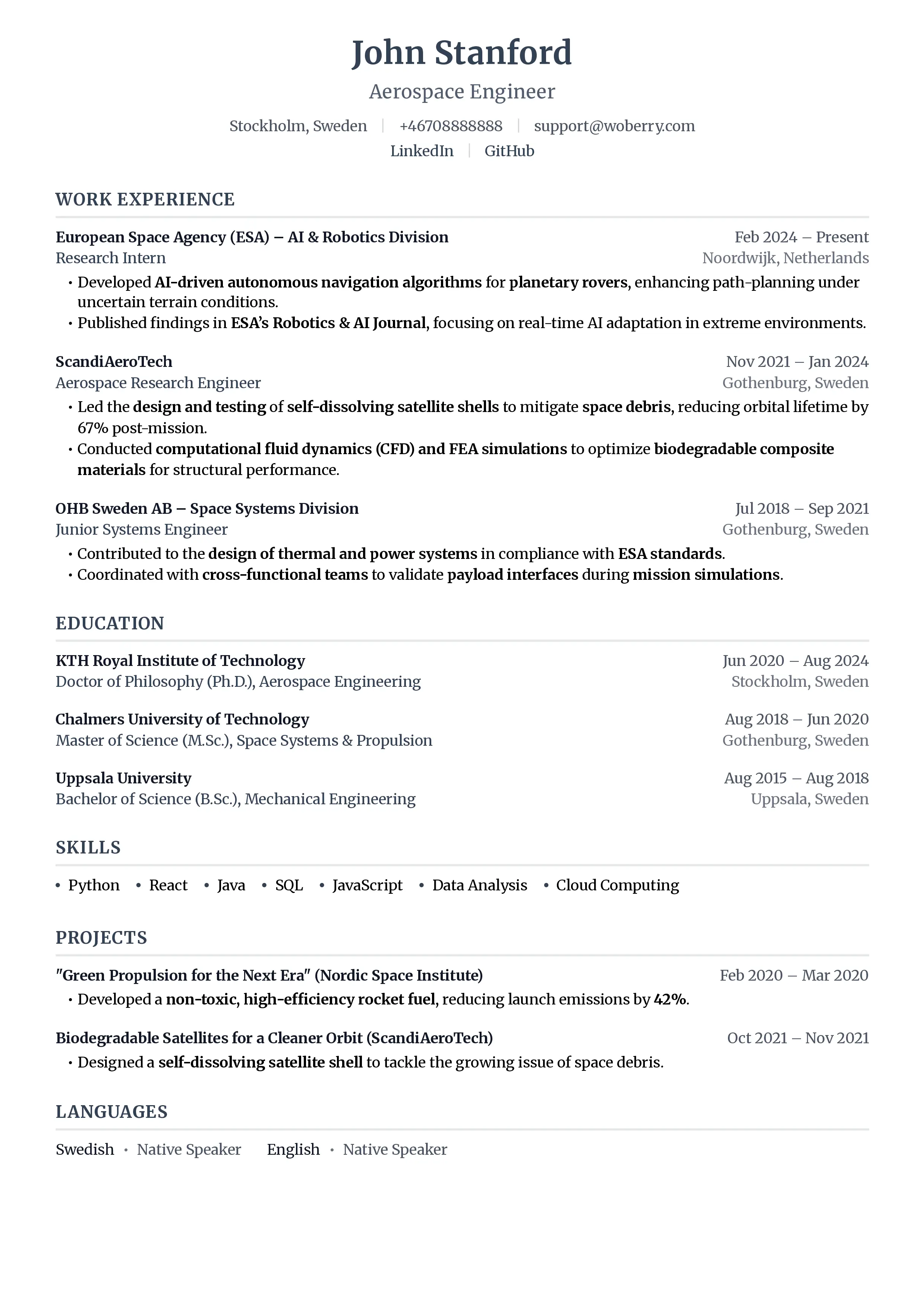
Here is the direct answer. A resume is a structured summary of your skills, experience, and education. A cover letter is a short narrative that argues why you fit this specific role. The resume is the evidence. The cover letter is the argument. You almost always need a resume. You need a cover letter when the posting requires it, when you have a story the resume cannot tell on its own, or when a referral or career pivot deserves context. The rest of the time, it is optional, and a generic one can hurt more than help.
Why they exist for different jobs
The two documents survive side by side because they answer different questions for different readers.
Your resume answers what. What roles have you held, what did you achieve, what tools do you know. It is scannable on purpose. A recruiter spends only a few seconds on a first pass, so the resume is built for fast pattern matching, not storytelling. If you want the detail on how that scan works, see the resume statistics for 2026.
Your cover letter answers why. Why this company, why this role, why now, and why the gaps or pivots on your resume make sense. It is the place to connect dots that a list of bullet points leaves disconnected.
This split matters because of who reads each one first. In most modern hiring pipelines, your resume gets read by an ATS (Applicant Tracking System) before any person sees it. Software parses it into fields, matches keywords against the job, and ranks you. Your cover letter, by contrast, is read by a human, usually later in the process, often by the hiring manager rather than the recruiter. That is the core reason you cannot treat them the same way. One is optimized for a parser. The other is optimized for a person.
Cover letter vs resume: the side-by-side comparison
Here is how the two documents differ on every factor that actually matters when you sit down to write them.
| Factor | Resume | Cover Letter |
|---|---|---|
| Purpose | Summarize your qualifications as evidence | Argue why you fit this specific role |
| Length | One to two pages | Three to four short paragraphs, under one page |
| Format | Structured sections, bullet points, no full sentences needed | Flowing prose, like a focused business letter |
| Voice and POV | Mostly implied first person, no I, fragments are fine | Explicit first person, complete sentences, conversational |
| What it contains | Work history, skills, education, measurable results | A hook, your fit for this role, why this company, a close |
| Read by ATS or human | Parsed by ATS first, then skimmed by a recruiter | Read by a human, usually the hiring manager |
| When required | Almost always | When required, or when context helps your case |
Notice the pattern. The resume is rigid, factual, and machine readable. The cover letter is flexible, personal, and human readable. Reusing the same tone in both is the most common mistake, and it produces a cover letter that just narrates the resume in paragraph form. That version genuinely is a waste of everyone's time.
Do you actually need a cover letter for this application?
Most of the confusion is not about what a cover letter is. It is about whether to bother writing one this time. Use this decision tree.
- The posting says a cover letter is required. Write one. Skipping a required document is an easy reason to filter you out, and some systems will not let you submit without it. This is non negotiable.
- The posting says it is optional. Write one if you can make it specific. Optional often means the hiring manager will read it if you send it, so a sharp, tailored letter is a low cost way to stand out. A generic one adds nothing, so skip it rather than phone it in.
- The posting does not mention a cover letter at all. It is your call. Including a short, targeted note rarely hurts and can help for competitive roles. If you cannot say anything beyond what your resume already shows, leave it out.
- You are applying through a referral. Write one, even a brief one. Name the person who referred you in the first line. That single sentence reframes your whole application and is exactly the context a resume cannot carry.
- You have a career change, an employment gap, or a relocation to explain. Write one. This is where the cover letter earns its keep. A pivot from teaching to product management looks like a non sequitur on a resume. In a cover letter, it becomes a deliberate, credible story.
The short version: a cover letter is worth writing when you have something specific to say to a specific person. When you do not, a missing cover letter beats a hollow one.
How to make the two work together
When you do send both, they should feel like one application, not two copies of the same content.
Do not repeat your resume in prose. The hiring manager already has the resume. Use the cover letter to add the layer the resume cannot show: your judgment, your motivation, and your read on what the role actually needs.
Pull your angle straight from the posting. The fastest way to write a focused letter is to mine the job description for the problem they are hiring to solve, then position yourself as the answer. We walk through that process in how to decode a job posting for your cover letter.
Keep your resume doing the heavy lifting on keywords. Since the resume is what the ATS parses, that is where your role specific terms need to live. The cover letter is for the human, so write it for clarity and persuasion, not for the parser.
If you are starting from scratch on either document, the ResumeFast resume builder keeps your formatting ATS safe, and our cover letter templates give you a clean structure to fill in so you are arguing your fit instead of fighting with margins.
Where to go deeper
This post is the bridge between three larger guides. To build the document itself, start with the resume writing guide. To write the narrative well, work through the cover letter guide. And to put both into a system that actually lands interviews, read the job search strategy guide.
The takeaway is simple. Your resume proves you can do the job. Your cover letter argues you should do this one. Send the resume every time, and send the cover letter when you have a real reason to, written for the person who will actually read it.
Frequently Asked Questions
What is the main difference between a cover letter and a resume?
A resume is a structured summary of your skills and experience that serves as evidence, while a cover letter is a short narrative that argues why you fit one specific role. The resume is scanned by software first, and the cover letter is read by a person.
Do you really need a cover letter in 2026?
Not for every application. You need one when the posting requires it, when a referral or career change needs context, or when you can say something specific to the hiring manager. When you have nothing to add beyond the resume, a generic cover letter is better left out.
Should a cover letter just summarize my resume?
No. The hiring manager already has your resume, so repeating it in paragraph form wastes their time. Use the cover letter to add motivation, judgment, and context that the resume cannot show, such as why you want this role or how a career pivot fits together.
Which gets read first, the resume or the cover letter?
The resume almost always goes first because an Applicant Tracking System parses and ranks it before a human is involved. The cover letter is usually read later by the hiring manager, often only if your resume has already passed the initial screen.
Your resume is your first impression. Make it count.
Join 50,000+ job seekers using ResumeFast to build ATS-optimized resumes that actually get interviews.
No credit card required. Free forever.
Continue Reading
View all articles
The Complete ATS Resume Guide (2026)
Resume Writing Guide: How to Write a Resume in 2026
Job Hopping in 2026: How Short Tenures Actually Read on Your Resume
New Grad Resume Guide: How to Get Hired in 2026 Without Experience
Defense and Cybersecurity Resume Guide: How to Land a Job in the Fastest-Growing Sectors of 2026
How to Explain a Layoff on Your Resume (Without Killing Your Chances)
Build a resume that gets interviews
Ready to build your resume?