How to Explain a Layoff on Your Resume (Without Killing Your Chances)
Just been laid off? You're not alone. Meta cut 16,000 jobs, Atlassian cut 1,600. Here's exactly how to handle a layoff on your resume and in interviews.

Raman M.
Software Engineer & Career Coach
On this page
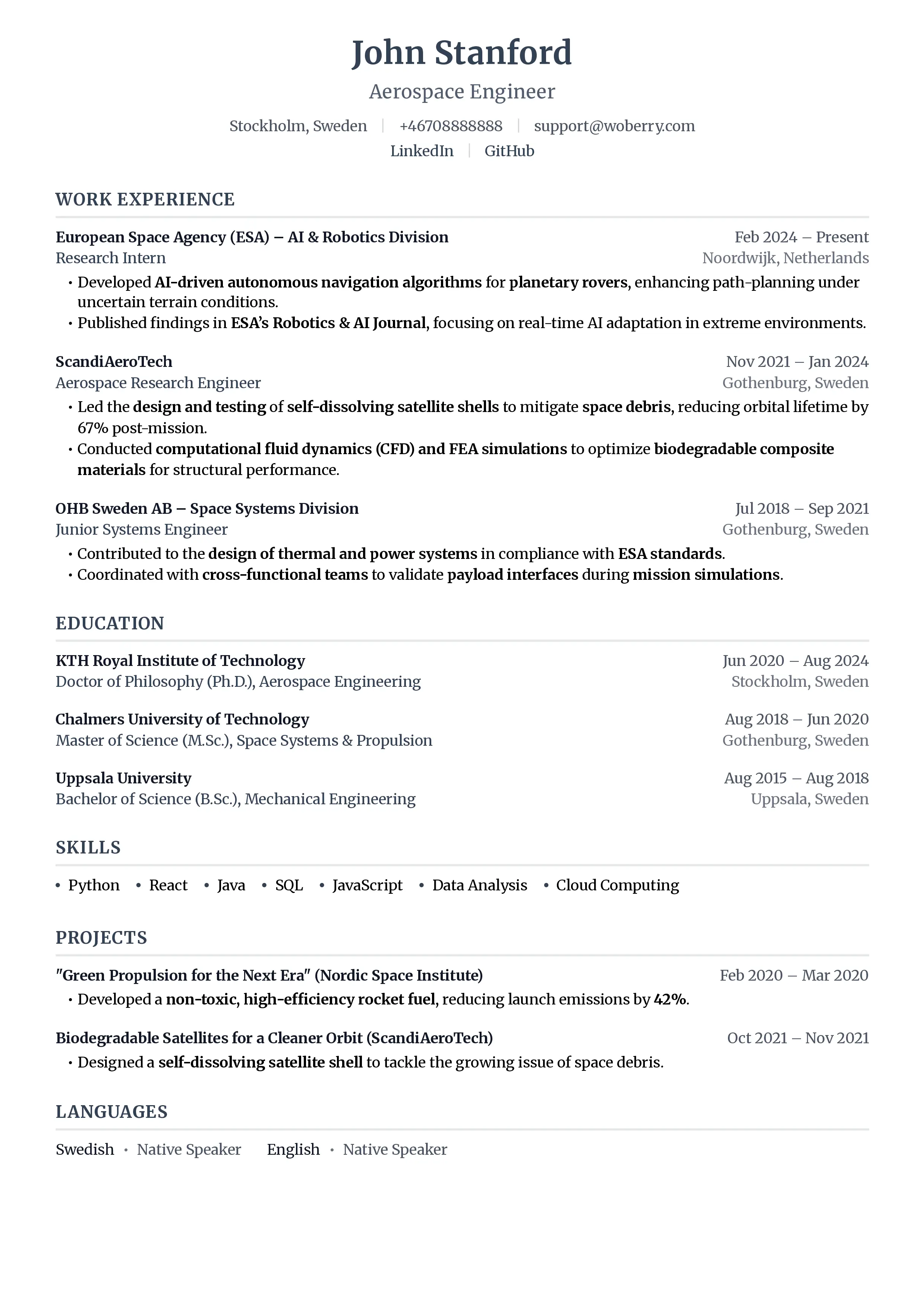
Build a resume that gets interviews
- ATS-optimized templates
- AI-powered writing
- Free to start
No credit card required
You just got the email. Or the Slack message. Or the meeting invite with HR and your manager that you know isn't about a promotion.
Take a breath.
On March 13, 2026, Meta laid off 16,000 people. The next day, Atlassian cut 1,600. Two days after that, SK Battery eliminated 958 positions. According to recent workforce surveys, 60% of companies expect to conduct layoffs in 2026. If you're sitting in front of your laptop right now wondering what just happened to your career, you're one of tens of thousands going through the exact same thing this month.
This isn't a personal failure. This is an economic event that happened to you, and you're going to handle it.
The question everyone asks first: "How do I explain this on my resume?"
Here's the answer that's going to save you a lot of anxiety.
You Don't Explain a Layoff on Your Resume
This is the single most important thing to understand: a layoff is not something you need to explain on your resume.
Your resume is a document about what you accomplished. It shows what you did, the impact you made, and the skills you bring. It does not explain why you left any job. Think about it: do you currently list "left for better opportunity" or "quit because of bad manager" next to your previous roles? Of course not.
A layoff is no different. Your resume lists your job title, company, dates, and accomplishments. That's it.
The golden rule: Your resume shows what you DID, not why you left. No recruiter expects to see "laid off" written anywhere on your resume. Don't volunteer information that wasn't asked for.
What Actually Goes on Your Resume
Here's what the entry for your most recent role should look like:
Senior Product Manager, Meta January 2023 - March 2026
- Led cross-functional team of 12 to launch privacy-first ad targeting tool, increasing advertiser ROI by 28%
- Reduced onboarding time for new advertisers from 14 days to 3 days through workflow automation
- Managed $4.2M annual product budget with quarterly OKR reporting to VP of Product
Notice what's missing? Any mention of the layoff. The end date tells the story: the role ended in March 2026. That's all the information your resume needs to convey.
Key details to get right:
- End date: Use the month you were actually let go, not a vague "2026." Precision shows confidence.
- Accomplishments: Focus on impact, metrics, and outcomes. If anything, now is the time to tailor your resume more aggressively to every role you apply for.
- Job title: Use your actual title. Don't inflate it, but don't undersell it either.
How to Handle a Resume Gap
If you were laid off in March and you're applying in April, you don't have a gap. You have a current job search, which is completely normal.
If months pass and you're worried about the growing space on your resume, here's what to do during the gap:
- Freelance or consult. Even one small project gives you a line item: "Freelance Product Consultant, April 2026 - Present."
- Upskill visibly. Certifications, courses, or portfolio projects all count. "Completed Google Project Management Certificate" is a real entry.
- Volunteer. Nonprofit board work or pro bono consulting fills gaps and builds your network.
For a deeper dive into gap strategies, check out our full resume gaps guide. The short version: gaps are far less damaging than most people think, especially when the entire market knows that mass layoffs are happening.
How to Explain It in Interviews
The interview is where the layoff conversation happens. Not your resume, not your cover letter. And when it comes up, you need exactly three things: brevity, honesty, and a redirect.
Here are scripts that work:
Script 1 (company-wide layoff):
"My role was eliminated as part of a company-wide restructuring that affected [number] employees. It was a business decision, not performance-related. I'm excited about this opportunity because [pivot to why you want THIS job]."
Script 2 (department shutdown):
"The company made a strategic decision to shut down the [department/product line] I was part of. I'm proud of what we built there, including [one quick accomplishment]. Now I'm looking to bring that experience to a team like yours."
Script 3 (simple and direct):
"I was part of a layoff in March. Since then, I've been focused on [something productive: freelancing, a certification, networking]. What really drew me to this role is [redirect]."
Notice the pattern: state it in one sentence, then pivot. Don't over-explain. Don't apologize. Don't trash your former employer. Hiring managers in 2026 understand layoffs. They're happening everywhere. What they're evaluating is how you handle it.
How to Handle It on LinkedIn
Your LinkedIn profile is often the first thing a recruiter sees, so it matters.
Update your headline. Replace your old title with something forward-looking: "Senior Product Manager | Open to New Opportunities | Fintech & SaaS." Don't write "Laid off from Meta" in your headline.
Use the Open to Work feature. The green banner gets mixed opinions, but data from LinkedIn shows that profiles with it enabled get 40% more recruiter messages. Use the version that's visible only to recruiters if you prefer discretion.
Post about it (if you're comfortable). A short, honest post about your layoff can generate enormous support. Keep it professional, mention what you're looking for, and make it easy for people to help you. The best layoff posts include a clear ask: "I'm looking for [role type] in [industry]. DMs are open."
Don't disappear. The worst thing you can do after a layoff is go silent on LinkedIn. Comment on posts, share articles, congratulate former colleagues. Stay visible. Networking is what gets you hired, and most networking happens when you're not even looking for it.
The 72-Hour Resume Refresh Plan
You've been laid off. The emotions are real. But if you can carve out a few focused hours in the first three days, you'll be miles ahead of most people.
Your 72-hour action plan:
Day 1: Breathe and collect.
- Save all performance reviews, project metrics, and accomplishments from your work email/drive before you lose access
- Screenshot any kudos, awards, or recognition messages
- Download your LinkedIn connections as a CSV
Day 2: Update your resume.
- Open ResumeFast and either update your existing resume or start fresh
- Write 4-6 strong bullet points for your most recent role using specific metrics
- Tailor a version toward the type of role you want next
Day 3: Activate your network.
- Update your LinkedIn headline and profile
- Send personal messages to 10 former colleagues letting them know you're looking
- Identify 5 companies you'd love to work for and research open roles
- Send a follow-up email to any outstanding applications
That's it. Three days, three focused tasks. You don't need to have everything figured out by Friday. You just need momentum.
The Emotional Side Matters Too
Let's be honest for a moment. A layoff can feel devastating, even when you know it wasn't personal. Your identity gets tied up in your work, and when that's suddenly gone, it shakes everything.
If you're feeling lost, angry, or stuck, that's normal. You're not broken. The job search depression guide has practical strategies for managing the emotional toll. The key insight: take care of your mental health first, and the job search becomes easier, not the other way around.
And if you were fired rather than laid off, the approach is slightly different. Our guide on handling a resume after getting fired covers that specific situation.
You're Not Starting Over
Here's what I want you to remember: a layoff doesn't erase anything you've built. Your skills, your experience, your professional relationships, they're all still there. The 2026 job market is tough, but it's tough for everyone, and companies are still hiring. They need people who can do the work, and that's you.
Your resume doesn't need to explain why you left. It needs to show why you're worth hiring. Focus on that.
No. Your resume documents your accomplishments, skills, and experience. It doesn't explain departures from any role. Save the layoff explanation for interviews, where you can address it briefly and redirect to your qualifications. No recruiter or ATS system expects or looks for a "reason for leaving" on a resume.
Absolutely not. Removing a role creates a bigger gap and erases real accomplishments. Keep the role, list your achievements with strong metrics, and include the accurate end date. The work you did there still counts, regardless of how the role ended.
Keep it to one sentence, if you mention it at all. Something like: "Following a company-wide restructuring at [Company], I'm eager to bring my [skill] expertise to a team focused on [their mission]." Then spend the rest of the cover letter on why you're a great fit. Don't make the layoff the focus.
In a year when Meta, Atlassian, SK Battery, and hundreds of other companies are conducting mass layoffs, being laid off carries almost zero stigma. Hiring managers know this market. What they will judge is how you present yourself going forward: your confidence, your accomplishments, and your enthusiasm for their specific role.
Your resume is your first impression. Make it count.
Join 50,000+ job seekers using ResumeFast to build ATS-optimized resumes that actually get interviews.
No credit card required. Free forever.
Continue Reading
View all articles
Job Hopping in 2026: How Short Tenures Actually Read on Your Resume
When to Get Your Resume Reviewed (The 7 Trigger Points)

Best Resume Review Services Compared (2026 Pricing)
Resume Accomplishments vs Responsibilities: The Difference That Gets Interviews
Salary Negotiation Starts at Your Resume: How to Position Yourself for Higher Pay

Hidden Job Market 2026: Where Jobs Get Filled
Build a resume that gets interviews
Ready to build your resume?