Job Market in Crisis: Which Industries Are Hiring (and Freezing) During the 2026 Energy Shock
The Iran war and energy crisis are reshaping hiring across every industry. See which sectors are booming, which are freezing, and how to position your resume for the jobs that exist right now.

Raman M.
Software Engineer & Career Coach
On this page
Build a resume that gets interviews
- ATS-optimized templates
- AI-powered writing
- Free to start
No credit card required
The job market just got hit by a one-two punch. First, the slowest year of job growth since 2002. Then, an energy crisis that sent oil prices past $110 a barrel overnight. If you're job searching right now, you don't need another think piece telling you "times are tough." You need a map showing you exactly where the jobs are, which sectors are bleeding, and how to position yourself to land one of the roles that actually exist.
That's what this guide is. No panic. Just data, strategy, and a clear plan.
TL;DR: Key Takeaways
- The energy shock is real. The Iran conflict has disrupted roughly 20% of global oil supplies through the Strait of Hormuz, pushing oil from $70 to over $110/barrel and triggering stagflation concerns across the economy.
- Three sectors are booming: defense/aerospace, cybersecurity, and healthcare. If you can pivot into any of these, do it now.
- Tech is in freefall. Meta cut 16,000 jobs, Atlassian cut 1,600, and 60% of American companies expect layoffs in 2026.
- AI is accelerating the pain. 37% of companies plan to replace specific roles with AI by end of 2026. Your resume needs to show you work with AI, not against it.
- There are still 514,000+ cybersecurity openings in the US alone. The talent gap is massive and growing.
- Your resume strategy matters more than ever. In a market where 10x more people compete for each role, a generic resume is a death sentence.
What's Actually Happening: The Energy Crisis and the Labor Market
Let's start with the facts, because the noise-to-signal ratio on social media right now is unbearable.
In early 2026, military conflict involving Iran escalated to the point where approximately 20% of global oil supplies flowing through the Strait of Hormuz were disrupted. Oil prices, which had been hovering around $70/barrel throughout most of 2025, surged past $110/barrel in a matter of weeks. That's not a blip. That's the kind of price shock that rewires entire economies.
Here's why it matters for your job search: energy costs flow through everything. When oil spikes, shipping costs spike. When shipping costs spike, consumer prices spike. When consumer prices spike, companies pull back spending. When companies pull back spending, they freeze hiring or start laying people off.
The US economy added just 116,000 jobs for all of 2025, the lowest total outside of a formal recession since 2002. Unemployment is projected to peak at 4.5% in early 2026. And we're seeing the early stages of stagflation, that ugly combination of inflation above the Fed's 2% target and a weakening labor market that makes policy responses incredibly difficult.
The layoff headlines tell the story:
- Meta: 16,000 workers cut (March 13, 2026)
- Atlassian: 1,600 workers cut (March 14, 2026)
- SK Battery: 958 workers cut (March 16, 2026)
And according to recent surveys, 60% of American companies expect to conduct layoffs in 2026. That's not a rumor. That's companies telling researchers, on the record, that cuts are coming.
The companies cutting aren't all in trouble. Many are profitable businesses using economic uncertainty as cover to restructure, automate, and reduce headcount they've been wanting to trim for years. Understanding this distinction matters for your strategy.
Industry Hiring Scorecard: March 2026
Here's where things stand across major sectors right now. This isn't speculation. It's based on job posting data, layoff announcements, and earnings reports from the past 90 days.
| Industry | Hiring Status | Key Roles | Salary Trend |
|---|---|---|---|
| Defense & Aerospace | Booming | Engineers, cybersecurity analysts, manufacturing techs, logistics coordinators | Up 8-15% |
| Cybersecurity | Booming | Security analysts, penetration testers, cloud security architects, GRC specialists | Up 10-20% |
| Healthcare | Strong | Nurses, physicians, medical techs, home health aides, mental health counselors | Up 5-10% |
| Energy/Oil & Gas | Mixed | Petroleum engineers, pipeline techs, renewable transition roles | Up 5-12% (traditional), flat (renewables) |
| Government/Federal | Growing | Intelligence analysts, IT specialists, acquisition managers, project managers | Stable with COLA increases |
| Logistics & Supply Chain | Cautious Growth | Supply chain analysts, warehouse managers, procurement specialists | Up 3-7% |
| Tech/SaaS | Freezing/Cutting | Very selective: AI/ML engineers, senior staff engineers only | Flat to down 5-10% |
| Manufacturing | Contracting | Limited: automation engineers, quality control | Down 3-8% |
| Finance/Banking | Cautious | Risk analysts, compliance officers, quantitative analysts | Flat |
| Retail | Slowing | Minimal hiring, mostly seasonal and distribution | Flat to down |
| Construction | Slowing | Limited: infrastructure project roles only | Down 3-5% |
| EV/Clean Energy | Contracting | Major slowdown post-subsidy cuts and energy price volatility | Down 5-15% |
The pattern is clear. National security, essential services, and anything connected to the energy supply chain are growing. Consumer-facing industries and speculative tech are contracting. This isn't a mystery. It's what happens every time geopolitical instability meets an already fragile labor market.
The Three Boom Sectors: Where the Jobs Are Right Now
Defense and Aerospace: The Biggest Hiring Surge in a Decade
When tensions escalate, defense budgets follow. Every major defense contractor, from Lockheed Martin to Raytheon to Northrop Grumman, has expanded hiring in Q1 2026. We're talking about engineering roles, manufacturing positions, cybersecurity specialists, logistics coordinators, and intelligence analysts.
What they're looking for: Candidates with security clearances (or clearance eligibility), engineering backgrounds, project management experience, and increasingly, AI/ML skills applied to defense applications. If you have a technical background and can pass a background check, this sector wants you.
How to position yourself: Your resume needs to emphasize measurable impact and reliability. Defense hiring managers care about precision, accountability, and the ability to work within structured environments. Quantify everything. "Managed $2.4M equipment inventory with zero discrepancies" lands harder than "Responsible for equipment management."
For a deeper dive on breaking into these roles, see our defense and cybersecurity resume guide.
Cybersecurity: 514,000 Open Roles and Growing
This one's staggering. As of March 2026, there are 514,359 cybersecurity job openings in the United States. Globally, the number sits at 4.8 million unfilled positions. The energy crisis has only made this worse, as critical infrastructure protection has become a top national security priority.
Every energy company, defense contractor, hospital system, and government agency is scrambling to hire cybersecurity talent. And there simply aren't enough qualified people.
What they're looking for: Security analysts, penetration testers, cloud security architects, GRC (governance, risk, compliance) specialists, incident response teams, and security engineers. Certifications like CISSP, CompTIA Security+, and CEH carry real weight here, sometimes more than a traditional degree.
How to position yourself: If you have any adjacent experience (IT administration, network engineering, software development, compliance), you can pivot. Your resume should highlight your technical foundation and any security-adjacent work you've done. Frame it around risk reduction and system protection.
Before (weak):
Managed company IT systems and handled user support tickets
After (strong):
Administered network infrastructure for 200+ users, implementing MFA and endpoint security protocols that reduced unauthorized access incidents by 85%
Healthcare: The Sector That Never Stops Hiring
Healthcare has been the most consistent hiring sector through every economic downturn of the past two decades, and 2026 is no different. An aging population, chronic staffing shortages, and the lingering effects of pandemic-era burnout mean that demand for healthcare workers continues to outpace supply across nearly every specialty.
What they're looking for: Registered nurses, physicians (especially primary care), medical technicians, home health aides, mental health counselors, healthcare IT specialists, and administrative roles in hospital systems.
How to position yourself: Healthcare resumes need to lead with credentials, certifications, and patient outcomes. If you're transitioning into healthcare from another field, emphasize transferable skills like data analysis, project management, or customer-facing experience. Compliance and regulatory knowledge also translates well.
If you're considering a career pivot into any of these three sectors, don't wait. Update your resume today using ResumeFast's AI-powered builder to highlight transferable skills and match the language these industries use. The window of opportunity won't stay open forever.
The AI Replacement Wave: What 37% Means for Your Resume
Here's the stat that should shape your resume strategy for the rest of this year: 37% of companies plan to replace specific roles with AI by the end of 2026. Not "use AI to augment." Replace.
This doesn't mean 37% of all jobs disappear. It means that roles heavy on repetitive tasks, data entry, basic content creation, simple analysis, and first-tier customer support are being automated at a pace we haven't seen before. The energy crisis is actually accelerating this trend, because companies under financial pressure are more motivated than ever to cut labor costs through automation.
The roles most at risk:
- Data entry and processing clerks
- Basic content writers and copywriters
- First-line customer support agents
- Junior financial analysts doing routine reporting
- Administrative assistants handling scheduling and correspondence
- QA testers doing manual, repetitive test execution
The roles that are safe (for now):
- Anything requiring complex human judgment
- Roles that manage, train, or oversee AI systems
- Creative work requiring strategic thinking
- Client-facing roles requiring empathy and relationship building
- Technical roles designing and maintaining AI infrastructure
What this means for your resume: Every bullet point should answer the question, "Could an AI do this?" If the answer is yes, reframe the bullet to show the human judgment, strategy, or creativity you brought to the task. For a complete guide on this, read our post on AI-proof resume skills.
Before (replaceable):
Created weekly social media posts and monitored engagement metrics
After (irreplaceable):
Developed data-driven social media strategy that increased qualified leads by 34%, A/B testing content approaches and adjusting brand voice based on audience sentiment analysis
For a broader look at how AI is reshaping careers and what you can do about it, check out our AI replacing jobs career guide.
How to Position Your Resume for the 2026 Job Market
The rules have changed. Here's how to adapt.
1. Lead with Stability Signals
In uncertain markets, hiring managers are risk-averse. They want candidates who signal reliability, not flight risks. Your resume should project stability.
- Show tenure. If you've stayed at companies for 2+ years, make that visible. List full date ranges, not just years.
- Highlight promotions. Internal advancement proves you were valued enough to keep and grow.
- Emphasize results during downturns. If you delivered results during COVID, the 2022 tech correction, or any previous difficult period, call it out explicitly.
2. Quantify Financial Impact
When budgets are tight, companies hire people who make or save money. Every resume bullet should connect to revenue, cost savings, or efficiency gains where possible.
Before:
Led marketing campaigns for the product team
After:
Led marketing campaigns that generated $1.2M in pipeline revenue, reducing customer acquisition cost by 22% through targeted content strategy
3. Show AI Fluency
You don't need to be an AI engineer. But your resume should demonstrate that you understand and use AI tools productively. Mention specific tools (ChatGPT, Copilot, Midjourney, internal AI systems) and how they made your work better or faster.
4. Tailor Aggressively
Generic resumes always underperform, but in a market where 10x more candidates compete for each posting, a one-size-fits-all approach is essentially giving up. Use the job description as a blueprint. Mirror its language. Match its priorities. Our guide on how to tailor your resume walks through this step by step, and understanding how ATS systems work is essential for getting past the initial screen.
5. Fill Gaps Proactively
If the energy crisis or recent layoffs have created a gap in your employment history, address it head-on. Our resume gaps guide covers the best strategies. Short version: freelance work, certifications, volunteer projects, and skill-building courses all count. The worst thing you can do is leave a blank space and hope nobody notices.
Just Got Laid Off? Here's Your 72-Hour Plan
If you're one of the thousands affected by recent layoffs, take a breath. Then take action. Here's what to do in the first three days.
Day 1: Secure the basics. File for unemployment. Review your severance terms. Check COBRA or marketplace health insurance options. Don't make any major career decisions today.
Day 2: Update your resume and LinkedIn. Don't just dust off your old resume. Rebuild it for the current market using the principles above. Use ResumeFast to create a targeted, ATS-optimized resume that reflects what employers are actually hiring for right now. Update your LinkedIn headline to signal that you're open to opportunities (the "Open to Work" banner genuinely helps recruiters find you).
Day 3: Start targeted outreach. Identify 10 companies in growing sectors (see the scorecard above) that match your skills. Reach out to hiring managers or recruiters directly on LinkedIn. A warm message beats a cold application every time.
Being laid off in a downturn carries zero stigma. Hiring managers know that layoffs during an energy crisis reflect macroeconomics, not performance. For specific language to use, see our guide on how to explain a layoff on your resume.
After the first week: Set a sustainable rhythm. Aim for 5-10 quality applications per week, not 50 spray-and-pray submissions. Join industry communities on Discord, Slack, or LinkedIn Groups for your target sectors. Consider certifications that signal commitment to a new direction (CompTIA Security+ for cyber, PMP for project management, AWS certifications for cloud roles).
For a complete strategic framework, read our spring 2026 job search strategy guide and our breakdown of which industries are hiring this spring.
What History Tells Us About Hiring After Energy Shocks
This isn't the first time an energy crisis has reshaped the job market, and the historical patterns are surprisingly consistent.
After the 1973 oil embargo, defense and energy sector hiring surged while manufacturing contracted. After the 1990 Gulf War oil spike, similar patterns emerged. The 2008 financial crisis (partially triggered by oil hitting $147/barrel) saw healthcare and government hiring remain stable while finance and construction collapsed.
The pattern every time:
- Energy prices spike
- Consumer spending contracts
- Consumer-facing industries cut headcount
- Government and defense spending increases
- Essential services (healthcare, infrastructure, security) hold steady or grow
- Recovery begins 12-18 months after energy prices stabilize
We're in phase 2-3 right now. That means the worst of the layoffs in consumer-facing sectors is still ahead, but the boom in defense, cyber, and healthcare will continue to accelerate. If you're going to pivot, the best time was a month ago. The second-best time is today.
How to Recession-Proof Your Career Long-Term
This crisis will pass. The next one might be different. Here's how to build a career that weathers any storm:
- Stack transferable skills. Technical skills plus communication skills plus domain knowledge creates a profile that's valuable in any economy. Specialists get cut first. Versatile problem-solvers get retained.
- Build a financial buffer. Three to six months of expenses in savings changes your entire relationship with career risk. You negotiate better, pivot faster, and panic less.
- Stay visible in your industry. The people who recover fastest from layoffs are the ones with active professional networks. Don't wait until you need help to build relationships.
- Keep your resume current. Update it quarterly, not just when you're job searching. You'll capture accomplishments while they're fresh and always be ready if the unexpected happens.
For a comprehensive approach, check out our guide on how to recession-proof your resume.
Frequently Asked Questions
Economists are debating whether to call this a recession, but the label matters less than the reality. What we're experiencing is stagflation: slow growth combined with persistent inflation. It's not a 2008-style financial meltdown, and the banking system is in far better shape. But the labor market is genuinely contracting in specific sectors. The practical advice is the same regardless of terminology: focus on growing sectors, keep your skills current, and maintain financial reserves.
Not necessarily. The tech layoffs are real, but they're concentrated in specific areas: mid-level generalist roles, roles that overlap with AI capabilities, and roles at companies that over-hired during 2021-2022. Senior engineers, AI/ML specialists, and infrastructure experts are still in demand. If you're a strong technical contributor, you might be better served applying your tech skills in a growing sector (defense tech, healthcare IT, cybersecurity) rather than abandoning your expertise entirely. That way you get the stability of a booming industry plus the salary premium of your technical background.
Nobody can predict geopolitics with certainty, but historical energy shocks typically take 12-18 months to normalize. Most economists expect oil prices to moderate by late 2026 or early 2027 as alternative supply routes are established and strategic reserves are deployed. Hiring in affected sectors (tech, manufacturing, retail) typically lags the recovery by 3-6 months. The boom sectors (defense, cyber, healthcare) will likely remain strong regardless, as the underlying demand drivers are structural, not cyclical.
The stat is that 37% of companies plan to replace specific roles with AI, not 37% of all jobs. In practice, most companies are automating tasks within roles rather than eliminating entire positions. But the roles most at risk are those where the majority of tasks are routine and repetitive. The best defense is making sure your resume demonstrates complex judgment, creativity, and strategic thinking that AI can't replicate. Our AI-proof resume skills guide breaks this down in detail.
In the current environment, a layoff carries almost no stigma. Hiring managers understand that energy crises and economic contractions lead to headcount reductions that have nothing to do with individual performance. On your resume, simply list your end date and, if asked in interviews, explain briefly: "My role was eliminated as part of a company-wide reduction." Then pivot immediately to what you accomplished in the role and what you're looking for next. For more detailed strategies, read our guide on how to explain a layoff on your resume.
It depends on your target sector. For cybersecurity: CompTIA Security+, CISSP, or CEH. For project management (valuable across defense and government): PMP or CAPM. For cloud roles: AWS Solutions Architect or Azure Administrator. For healthcare IT: HCISPP or HL7 FHIR certification. The key is choosing a certification that aligns with a growing sector, not just adding credentials for the sake of it. One relevant certification beats three irrelevant ones.
Your Next Move
The 2026 job market is difficult, but it's not hopeless. It's bifurcated. Some sectors are genuinely booming while others are contracting. The job seekers who succeed right now are the ones who read the map correctly, position themselves in growing sectors, and present resumes that speak directly to what employers need today.
Don't send out the same resume you used in 2024. The market has changed. Your resume needs to change with it.
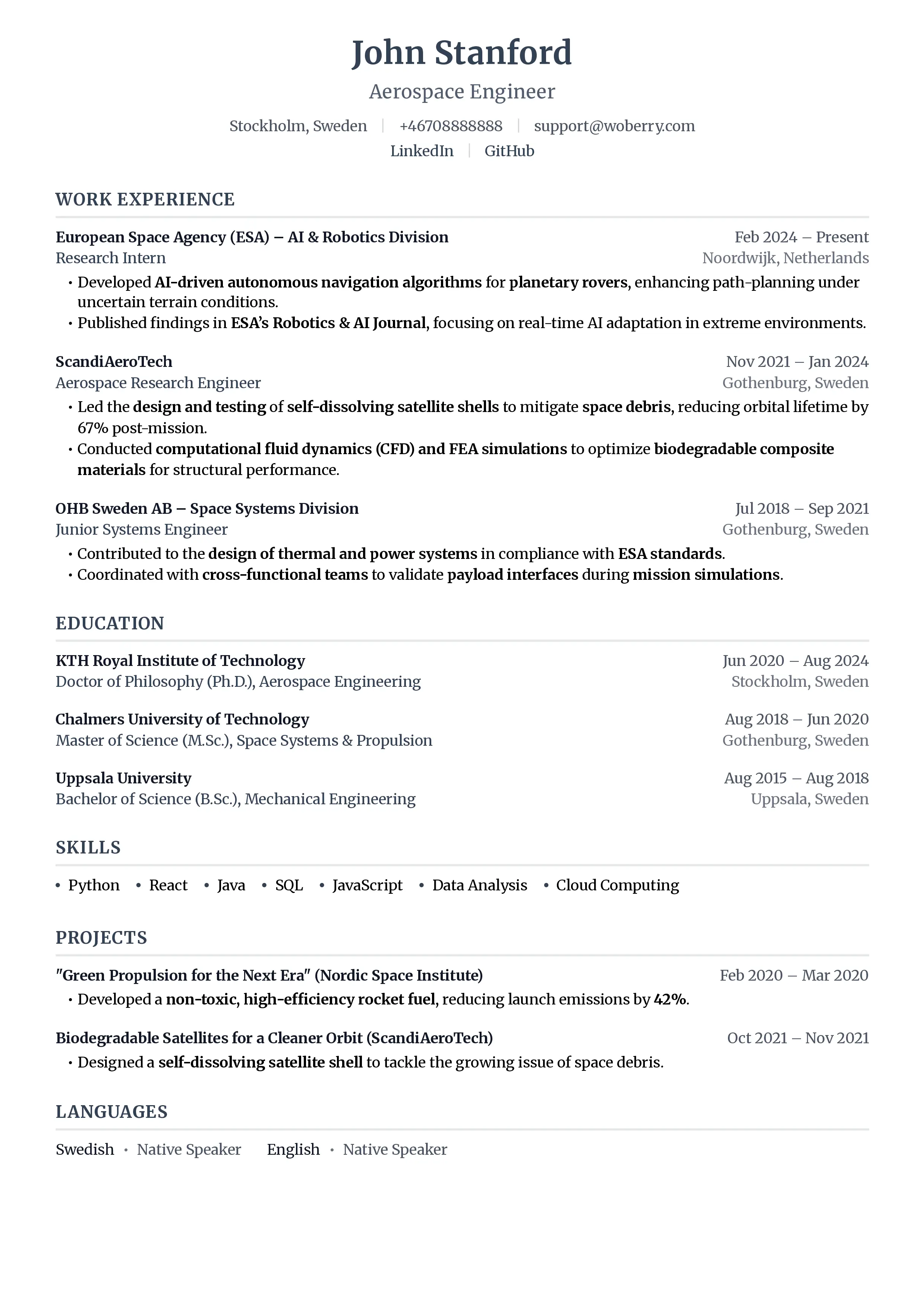
Resume Templates That Get Interviews
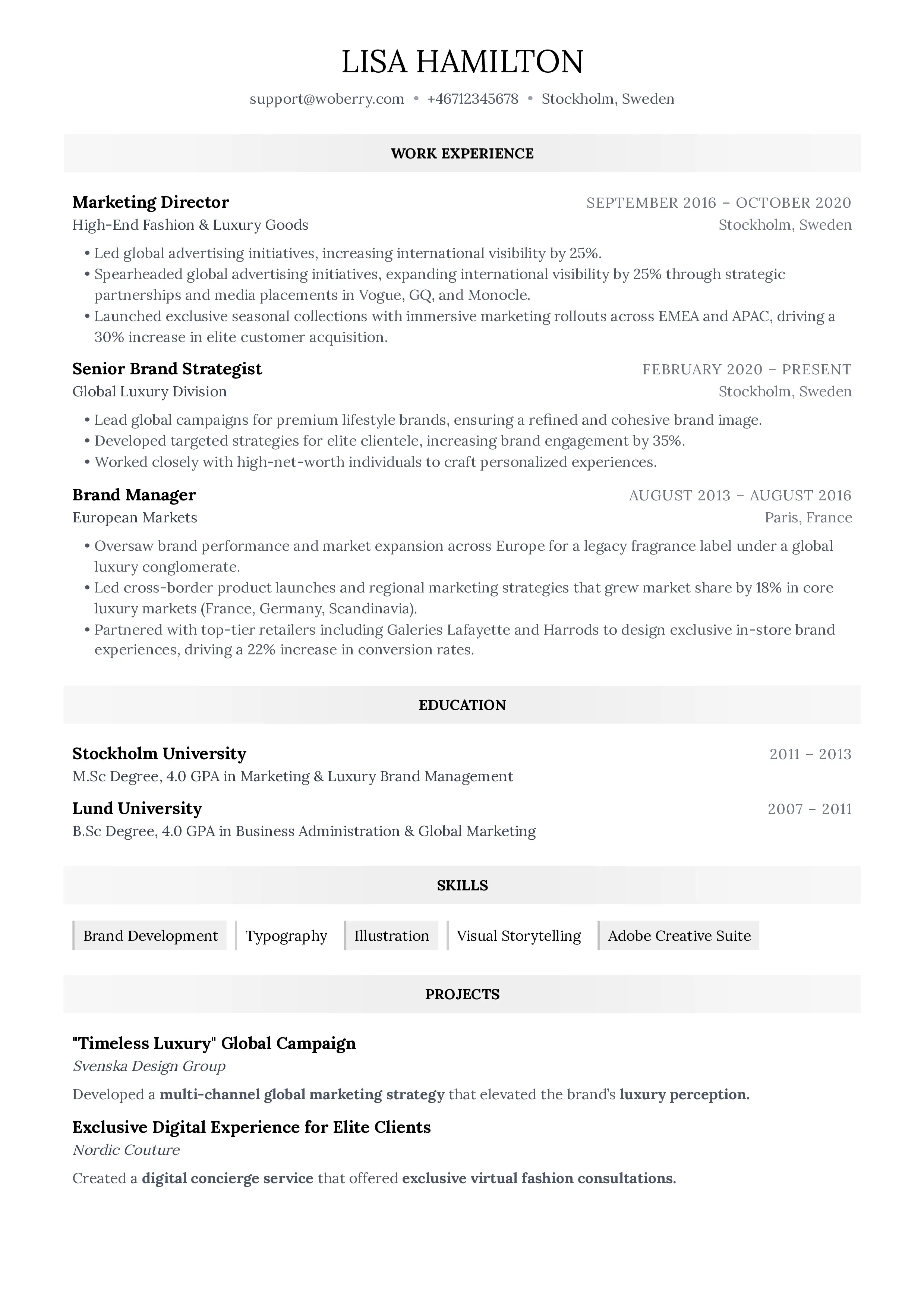
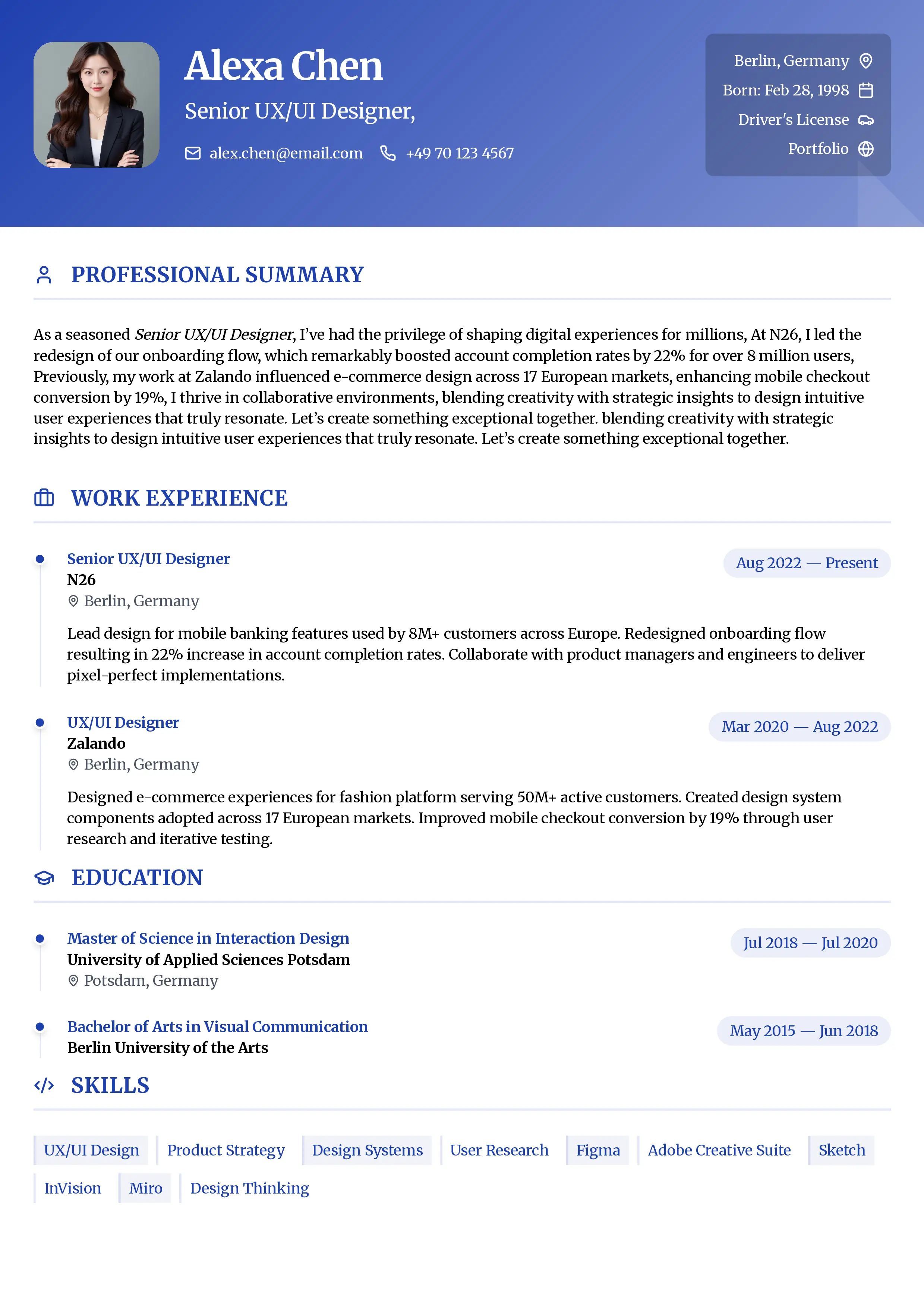
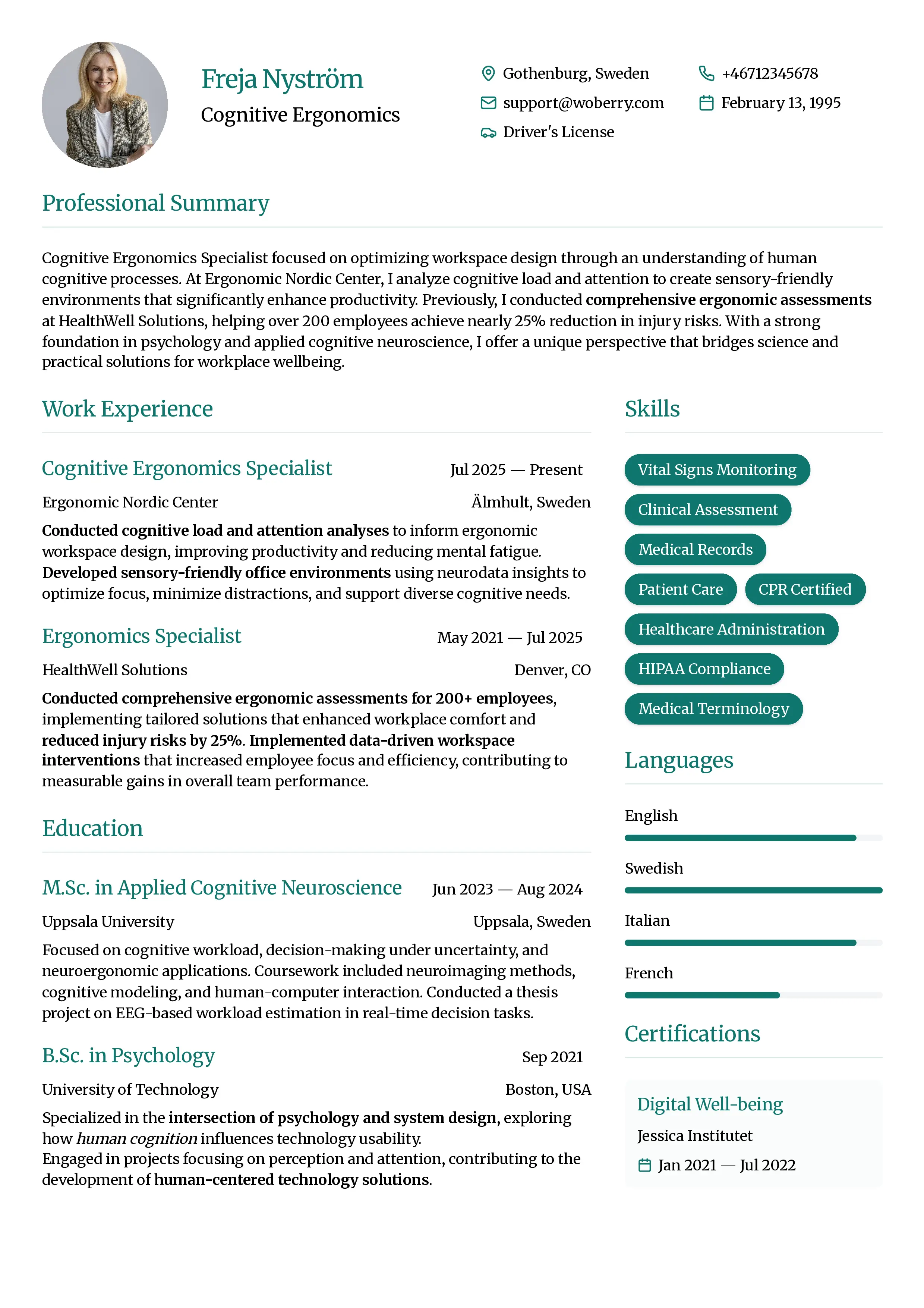
17 professional templates, all ATS-optimized
Browse All TemplatesYour resume is your first impression. Make it count.
Join 50,000+ job seekers using ResumeFast to build ATS-optimized resumes that actually get interviews.
No credit card required. Free forever.
Continue Reading
View all articles
Should You Apply for Jobs You're Not Qualified For?

Job Search Strategy Guide: How to Find a Job in 2026
Walk Me Through Your Resume: The 90-Second Answer Framework
Job Hopping in 2026: How Short Tenures Actually Read on Your Resume

Reference Checks Decoded: What Employers Actually Verify (and What They Can't)

Take-Home Assignments in 2026: When to Do Them, When to Walk Away
Build a resume that gets interviews
Ready to build your resume?