Which Industries Are Still Hiring in Spring 2026?
Not every sector is slowing down. Healthcare, skilled trades, and tech infrastructure are actively hiring in spring 2026. Here's where the jobs are and what they pay.

Raman M.
Software Engineer & Career Coach

On this page
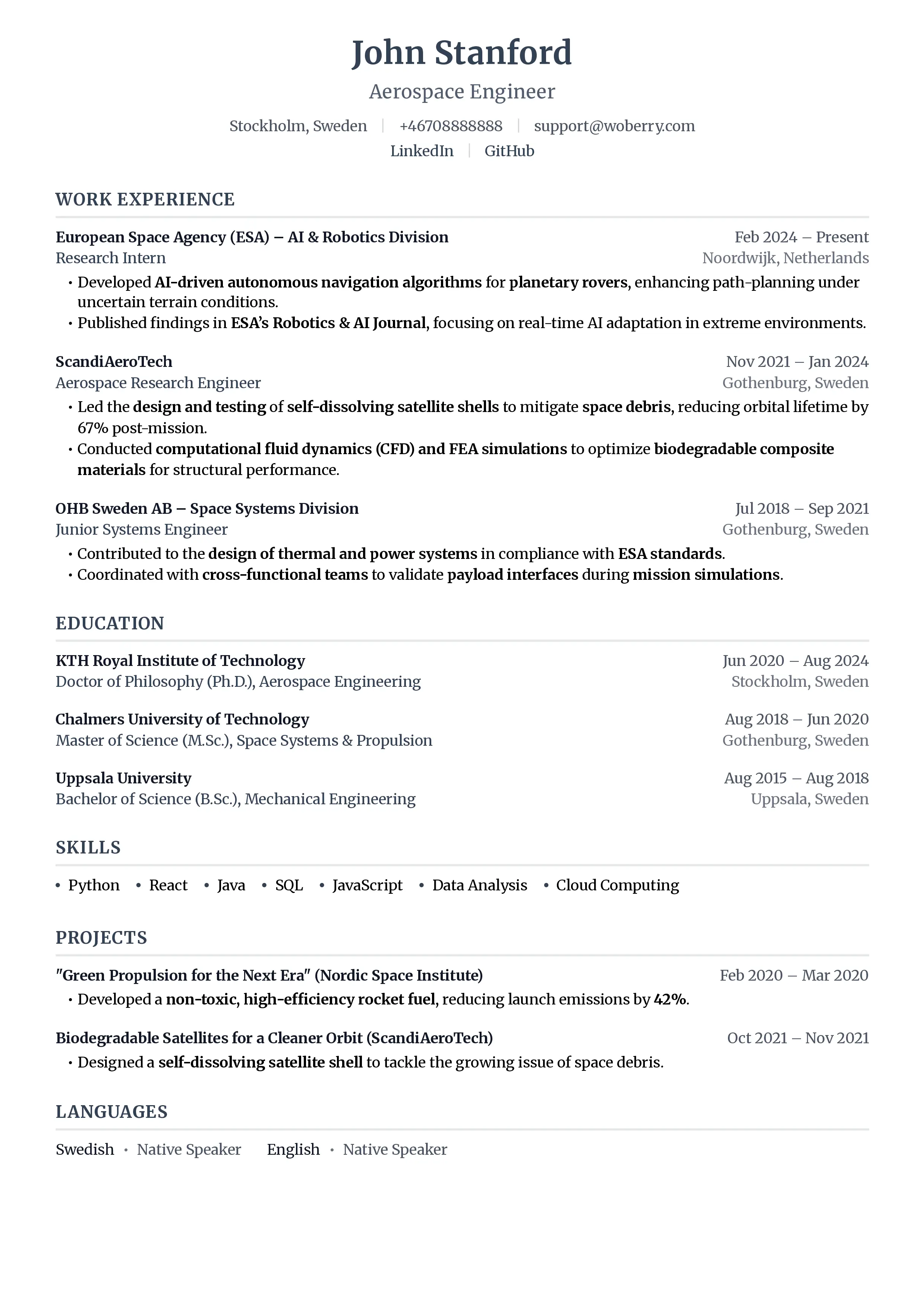
Build a resume that gets interviews
- ATS-optimized templates
- AI-powered writing
- Free to start
No credit card required
If your feed is full of layoff headlines, it is easy to assume the entire job market is frozen. It's not. While some sectors are tightening, others are adding roles faster than they can fill them. The trick is knowing where to look.
This breakdown covers the industries actively hiring in spring 2026, what they pay, and how to position yourself if you're thinking about a pivot.
The Spring 2026 Industry Hiring Snapshot
Here's a side-by-side comparison of major sectors right now. Salary figures reflect U.S. national averages from BLS and Glassdoor data as of Q1 2026.
| Industry | Hiring Status | Avg. Salary | Key Roles | Why It's Growing |
|---|---|---|---|---|
| Healthcare | Aggressively hiring | $95,000 | Registered nurses, allied health, medical coders | Aging population, post-pandemic staffing gaps |
| IT Infrastructure | Strong demand | $125,000 | Cloud engineers, DevOps, systems architects | AI workloads driving infrastructure buildout |
| Skilled Trades | Critical shortage | $70,000 | Electricians, HVAC technicians, plumbers | Retirements outpacing new entrants by 2:1 |
| Renewable Energy | Expanding fast | $85,000 | Solar installers, wind turbine techs, project managers | Federal incentives, corporate net-zero deadlines |
| Cybersecurity | High demand | $115,000 | Security analysts, penetration testers, GRC specialists | Regulatory pressure, rising breach costs |
| Education | Stable | $62,000 | K-12 teachers, special ed, ESL instructors | Persistent teacher shortages in rural and urban districts |
| Government | Contracting | $78,000 | Varies by agency | DOGE-driven efficiency reviews reducing headcount |
| Retail | Seasonal only | $38,000 | Store associates, warehouse staff | E-commerce shift continues to shrink in-store roles |
The pattern is clear. Industries tied to physical infrastructure, human health, and digital security are growing. Industries tied to discretionary spending and traditional office work are flat or shrinking.
The Top 3 Sectors Worth Your Attention
1. Healthcare: The Demand That Won't Quit
The U.S. Bureau of Labor Statistics projects 1.8 million healthcare job openings annually through 2032. That's not a typo. Nursing alone has a projected shortfall of 200,000 RNs by 2027.
Roles with the shortest time-to-hire right now:
- Registered Nurses (median $86k, up to $120k in metro areas)
- Medical and Health Services Managers ($110k)
- Physical Therapist Assistants ($62k, only associate degree required)
- Medical Coders and Billers ($52k, certifiable in under 6 months)
Skills that matter: Patient care certifications, EMR/EHR software proficiency (Epic, Cerner), and any clinical licensure. Even non-clinical roles like medical coding are in short supply.
2. IT Infrastructure and Cloud
Every company adopting AI needs someone to run the servers, manage the pipelines, and keep the lights on. That someone is an infrastructure engineer, and there aren't enough of them.
What's driving demand: The AI boom created a secondary boom in cloud compute, data centers, and networking. Companies are hiring cloud engineers, site reliability engineers, and database administrators at a pace not seen since the early cloud migration years.
Where the money is:
- Cloud/DevOps Engineers: $120k to $160k
- Systems Architects: $140k to $180k
- Network Engineers: $90k to $130k
Key certifications: AWS Solutions Architect, Azure Administrator, Kubernetes (CKA), and Terraform experience. If you already work in IT support or sysadmin roles, the jump to cloud infrastructure is shorter than you think.
3. Skilled Trades: The Overlooked Goldmine
Here's a number that should get your attention: the average age of a licensed electrician in the U.S. is 55. Retirements are accelerating, apprenticeship pipelines are thin, and demand for electrical work is surging thanks to EV chargers, solar installations, and data center construction.
What trades pay in 2026:
- Electricians: $65k to $95k (union rates higher)
- HVAC Technicians: $55k to $80k
- Plumbers: $58k to $85k
- Welders (specialized): $70k to $110k
The path in: Most trades require an apprenticeship (2 to 4 years), but you earn while you learn. Some programs start at $20/hour from day one.
How to Pivot From a Contracting Industry
If you're in government, retail, or another sector that's slowing down, your skills are more transferable than you think.
Government to cybersecurity: Compliance knowledge, security clearances, and process documentation translate directly to GRC (Governance, Risk, Compliance) roles. Many cybersecurity firms actively recruit from federal agencies.
Retail management to healthcare administration: Scheduling, team leadership, inventory management, and customer conflict resolution are core skills in clinic and hospital operations.
Office admin to IT infrastructure: If you've managed networks, handled vendor relationships, or supported internal tech, you're closer to an infrastructure role than most job descriptions suggest. A single cloud certification can bridge the gap.
When making the switch, rewrite your resume to emphasize transferable skills, not job titles. A tool like ResumeFast can help you tailor your resume to a new industry by matching your experience to the language hiring managers actually use.
For a broader look at job search tactics this season, check out our Spring 2026 Job Search Strategy Guide. And if you want to see how hiring trends have shifted since the start of the year, that context is useful too.
Frequently Asked Questions
Is tech still a good industry to enter in 2026?
It depends on the niche. Traditional software engineering roles at large companies are more competitive than they were in 2021. But infrastructure, cybersecurity, and AI operations roles are growing fast. The demand has shifted from "build the app" to "run the systems that power the app."
How long does it take to switch into one of these growing industries?
For IT and cybersecurity, a focused certification path (3 to 6 months of study) combined with relevant transferable experience can land you interviews. Healthcare roles requiring licensure take longer, typically 1 to 4 years depending on the credential. Skilled trades apprenticeships run 2 to 4 years but pay from the start.
The job market in spring 2026 rewards specificity. Pick a growing sector, learn its language, and position your existing skills as assets. The opportunities are real if you know where to look.
Your resume is your first impression. Make it count.
Join 50,000+ job seekers using ResumeFast to build ATS-optimized resumes that actually get interviews.
No credit card required. Free forever.
Continue Reading
View all articles
Spring 2026 Job Search: Strategy Guide for a Cooling Market

The Best Time to Apply for Jobs in 2026 (Down to the Hour)

The Jobs AI Can't Replace (Yet): Where to Focus Your Career
AI Is Coming for White-Collar Jobs: What Job Seekers Should Do in 2026

Is Resume.io Free? What You Actually Pay in 2026

How to Cancel Resume.io (2026): Avoid the $29.95
Build a resume that gets interviews
Ready to build your resume?