White-Collar Recession: Who's Hiring in 2026?
White-collar job losses continue while some sectors boom. Data-driven guide to which industries are hiring, which are cutting, and how to position your resume for growth sectors.

Raman M.
Software Engineer & Career Coach

On this page
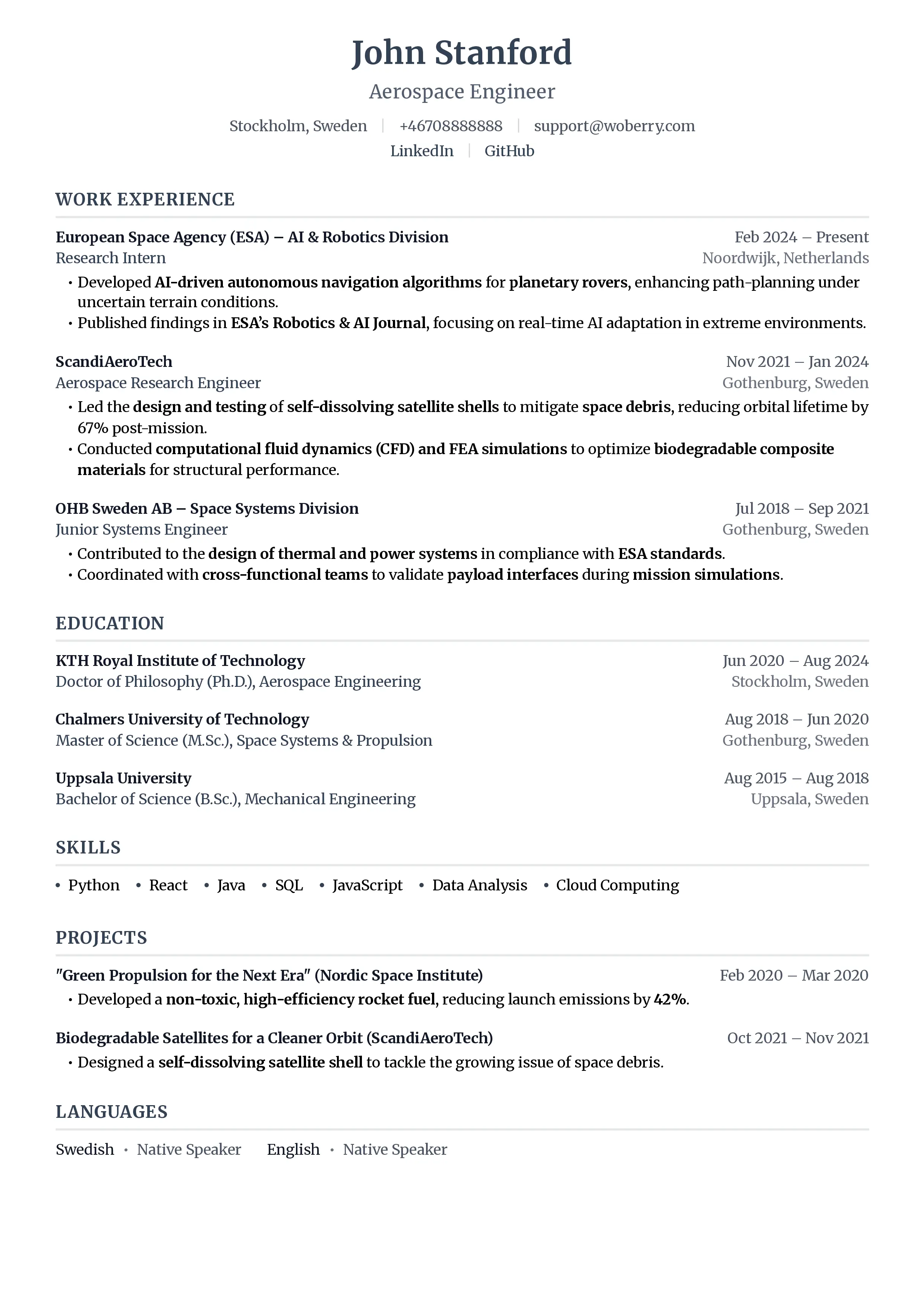
Build a resume that gets interviews
- ATS-optimized templates
- AI-powered writing
- Free to start
No credit card required
Tech companies laid off 260,000 workers in 2023. The bleeding continued through 2024 and into 2025. Finance followed. Consulting firms froze hiring. Media organizations contracted. Marketing departments shrunk.
Meanwhile, other sectors can't find workers fast enough. Healthcare posts six-figure signing bonuses. Construction sites sit idle waiting for workers. Green energy projects delay because installers don't exist.
The job market isn't uniformly bad. It's violently bifurcated. Understanding which sectors are growing and which are contracting could be the difference between a six-month job search and a six-week one.
The Sectors Contracting
Let's be honest about where the cuts are happening:
Technology
The sector that defined economic growth for two decades is in correction mode.
The numbers:
- 260,000+ layoffs in 2023
- Continued cuts through 2024-2025
- Hiring freezes at major employers
- Entry-level positions eliminated or automated
Why: The pandemic created artificial demand. Companies hired for growth that didn't materialize. Interest rate increases ended cheap money that funded unprofitable expansion. AI reduced headcount needs for routine cognitive work.
Who's affected: Junior engineers, product managers, recruiters, sales development reps, marketing generalists. Mid-level ICs in over-hired organizations. Anyone whose work output is easily measurable and automatable.
Who's still hired: Senior engineers with specialized skills. AI/ML specialists. Security professionals. DevOps and infrastructure experts. Anyone working on products that generate actual revenue.
Finance and Banking
Traditional finance faces pressure from multiple directions.
The numbers:
- Major banks announced 10-30% workforce reductions in various divisions
- Consulting firms including McKinsey, Bain, and BCG reduced headcount
- Fintech layoffs mirrored broader tech
Why: Higher interest rates reduced deal flow. Trading revenue declined. Automation eliminated back-office roles. AI handles analysis that required junior analysts. Economic uncertainty reduced demand for consulting.
Who's affected: Investment banking analysts and associates. Back-office operations. Compliance roles that can be automated. Junior consultants.
Who's still hired: Risk management specialists. Regulatory compliance for new rules. Tech roles within finance. Relationship-heavy positions like wealth management.
Media and Marketing
Digital media's business model never recovered from platform changes.
The numbers:
- Major media layoffs across journalism, entertainment, and advertising
- Marketing department headcount reductions across industries
- Agency consolidation and layoffs
Why: AI generates content at scale. Advertising shifts toward performance channels requiring fewer people. Economic uncertainty causes marketing budget cuts. Social media algorithms reduced organic reach, making content teams less valuable.
Who's affected: Content writers, copywriters, social media managers. Traditional journalists. Marketing generalists. Creative roles that AI can partially automate.
Who's still hired: Performance marketers with proven ROI. Brand strategists at high levels. Video producers for formats AI can't replicate. Specialists in emerging channels.
Professional Services
White-collar services face structural change.
Accounting: AI handles routine bookkeeping and tax preparation. Junior roles compressed. Senior advisory work remains valuable.
Law: Document review, contract analysis, and research increasingly automated. Junior associate positions reduced. Specialized litigation and complex corporate work stable.
Real estate: Commercial real estate faces long-term work-from-home impact. Residential market rate-sensitive. Both sectors have reduced headcount.
The Sectors Expanding
Now for better news. Some industries face labor shortages so severe they'll hire almost anyone trainable.
Healthcare
Healthcare isn't just growing. It's desperate.
The numbers:
- 1.8 million additional healthcare jobs needed by 2032 (Bureau of Labor Statistics)
- Nursing shortage exceeds 100,000 positions
- Support roles face chronic understaffing
- Aging population drives accelerating demand
Growing roles:
Nurses (RNs): Median salary $86,000. Sign-on bonuses up to $30,000 in shortage areas. Travel nurses earn significantly more. Every hospital system in America is hiring.
Medical and Health Services Managers: Median salary $110,000. Healthcare administration grows with the sector. Business skills combined with healthcare knowledge are scarce.
Home Health and Personal Care Aides: Fastest growing occupation by volume. Lower pay ($33,000 median) but massive demand and low barriers to entry. Certification programs often free or subsidized.
Medical Technologists and Technicians: Laboratory, radiology, ultrasound, surgical technicians. Median salaries $50,000-$75,000. Associate degrees or certificates sufficient for many roles.
Physical Therapists and Assistants: Aging population needs rehabilitation services. PT median salary $99,000. PTA median $64,000 with associate degree.
How to position: Healthcare values credentials, but the shortage creates flexibility. Certifications from accredited programs open doors. Patient care experience in any form helps. Willingness to work less desirable shifts or locations creates advantage.
Skilled Trades and Construction
The trades shortage might be worse than healthcare.
The numbers:
- Construction needs 500,000+ additional workers in 2025
- Average age of skilled tradespeople exceeds 50
- Retirement rate outpaces new entrants by 2:1
- Infrastructure spending creates additional demand
Growing roles:
Electricians: Median salary $61,000. Journeymen in high-demand areas earn $80,000+. Electric vehicle infrastructure, solar installation, and data centers drive specialized demand. Union apprenticeships highly competitive but provide excellent training.
Plumbers: Median salary $60,000. Master plumbers and business owners earn significantly more. Aging water infrastructure creates maintenance demand. New construction backlogs from worker shortages.
HVAC Technicians: Median salary $53,000. Climate change increases cooling demand. Heat pump adoption creates installation backlogs. Commercial HVAC specialists earn premium rates.
Welders: Median salary $48,000. Specialized certifications (underwater, aerospace) command $100,000+. Manufacturing reshoring increases domestic demand.
Construction Managers: Median salary $101,000. Trade experience combined with business/management skills. Shortage creates fast advancement for competent supervisors.
How to position: Apprenticeships are the standard path. Apply to union programs or find contractors offering training. Community college trade programs provide foundations. Physical ability matters but most trades accommodate some limitations. Age isn't a barrier; many successful tradespeople started later in life.
Green Energy and Environmental Services
Climate response creates entire industries.
The numbers:
- Solar installer jobs growing 52% by 2032 (BLS)
- Wind turbine technician jobs growing 45%
- Electric vehicle sector adding thousands of roles annually
- Inflation Reduction Act funding creates additional positions
Growing roles:
Solar Photovoltaic Installers: Median salary $48,000. No degree required; certification programs available. Physical rooftop work. Rapid industry growth exceeds worker supply.
Wind Turbine Technicians: Median salary $61,000. Certification or associate degree sufficient. Work involves heights and travel. Excellent job security with long-term contracts.
Electric Vehicle Technicians: Emerging specialty. Traditional auto technicians retraining. Dealerships and independent shops both hiring. Certification programs developing.
Energy Auditors: Median salary $53,000. Evaluate building efficiency and recommend improvements. Building science knowledge plus customer interaction skills. Growing demand from regulations and utility programs.
How to position: These fields are young enough that experience isn't required; enthusiasm and trainability matter more. Technical aptitude helps. Certifications from organizations like NABCEP (solar) or trade associations demonstrate commitment.
Logistics and Supply Chain
E-commerce permanently increased logistics demand.
The numbers:
- Warehouse employment grew 50% over a decade
- Trucking faces chronic driver shortage
- Last-mile delivery creates constant hiring
- Supply chain disruptions increased demand for specialists
Growing roles:
Truck Drivers: Median salary $48,000. Long-haul drivers earn more with experience. CDL training available through employer-sponsored programs. Massive shortage despite industry attempts to address it.
Warehouse Operations: From picker/packer to operations management. Career path from hourly to six-figure management exists. Amazon and major logistics companies constantly hiring.
Supply Chain Analysts: Median salary $65,000. Combines data analysis with logistics knowledge. Disruptions created demand for resilience planning.
Fleet Managers: Oversee vehicle maintenance and driver operations. Median salary $60,000+. Experience-based advancement common.
How to position: Entry-level warehouse and delivery roles hire continuously with minimal barriers. Demonstrate reliability and advancement follows. For analytical roles, any supply chain or operations experience combined with Excel/data skills creates opportunity.
Government and Public Sector
While private sector cuts, government maintains.
The numbers:
- Federal hiring remains robust across agencies
- State and local governments face retirement-driven vacancies
- Infrastructure spending creates government project roles
- Public safety and education face persistent shortages
Growing areas:
Federal careers (USAJOBS): IT specialists, acquisition professionals, analysts, engineers. Job security, benefits, pension. Bureaucratic application process requires patience.
State and local: Teachers (especially STEM and special education), social workers, public health officials, IT staff. Benefits often compensate for lower salaries.
Public safety: Police, fire, corrections face recruitment challenges. Signing bonuses common in shortage areas.
How to position: Government applications require different strategies. Federal resumes follow specific formats. Veterans receive preference. Security clearances open doors. Patience matters; federal hiring takes months.
How to Pivot: Practical Steps
If you're in a contracting sector and need to move toward growth:
Step 1: Assess Transferable Skills
List everything you do in your current work. Map each skill to potential applications in growing sectors.
Marketing professional skills that transfer:
- Analytics → Healthcare administration, supply chain analysis
- Communication → Public health, sales across industries
- Project management → Construction management, green energy project coordination
- Digital advertising → Any sector's marketing function (smaller but exists)
Tech professional skills that transfer:
- Data analysis → Healthcare informatics, logistics optimization
- Technical writing → Medical device documentation, government proposals
- Project management → Construction, energy projects
- Security → Healthcare IT (heavily regulated), government
Step 2: Credential Quickly
Growing sectors often have fast-track certifications:
Healthcare:
- CNA certification: 4-12 weeks
- Phlebotomy certification: 4-8 weeks
- Medical coding certification: 3-6 months
- EMT certification: 3-6 months
Trades:
- OSHA certifications: Days to weeks
- EPA certifications (HVAC): Exam-based
- State contractor licenses: Vary by state
- Apprenticeship enrollment: Ongoing
Green energy:
- NABCEP solar certification: Study + exam
- BPI building analyst: Training + exam
- EV technician certifications: Emerging programs
Step 3: Reposition Your Resume
Your resume for healthcare administration looks different than your resume for tech marketing.
Lead with relevant experience: Even tangential experience in the target sector goes first. Volunteered at a hospital? That's more relevant than your tech job for healthcare roles.
Translate accomplishments: "Increased marketing ROI by 40%" becomes "Optimized resource allocation to improve measurable outcomes by 40%." Same skill, industry-neutral language.
Add target industry keywords: Research job postings in your target sector. Use their language, not your current industry's jargon.
Step 4: Network Into Target Sectors
Cold applications into new industries have low success rates. Connections matter more when you're pivoting.
Find bridges: People who moved from your current sector to your target. Ask about their path, what helped, what they wish they knew.
Industry events: Healthcare conferences, trade association meetings, green energy expos. Show up, learn, meet people.
Informational interviews: Not "do you have a job for me?" but "I'm exploring this field and would appreciate understanding your experience."
Step 5: Consider Stepping Back to Move Forward
Pivoting often means starting below your previous level.
A senior marketing manager entering healthcare might start as a marketing coordinator at a hospital system. A software engineer entering trades might start as a first-year apprentice.
The stepping back is temporary. Your existing skills help you advance faster than someone truly starting from zero.
Industry-Specific Resume Tips
For Healthcare
- Patient interaction experience matters even from non-healthcare contexts
- Compliance and regulatory awareness valued
- Technology skills increasingly important
- Certifications and credentials prominently displayed
- References from healthcare professionals helpful
For Trades
- Physical capability implied through relevant experience
- Safety training and certifications prominent
- Tool and equipment familiarity specified
- Projects completed or apprenticeship progress shown
- Willingness to learn emphasized over existing expertise
For Green Energy
- Environmental interest/commitment shown
- Technical aptitude demonstrated
- Physical work capability clear
- Certifications or training in progress mentioned
- Adaptability to emerging field highlighted
For Government
- Federal resume format requirements followed exactly
- KSA (Knowledge, Skills, Abilities) statements included
- Specific experience mapped to position requirements
- Clearance status if applicable
- Veteran status and preferences claimed
The Outlook
The white-collar recession isn't ending soon. Tech may recover eventually, but headcount probably won't return to 2021 levels. AI efficiency gains are permanent.
Growth sectors will continue growing. Healthcare needs compound as population ages. Infrastructure requires workers regardless of economic conditions. Climate response accelerates.
The strategic response isn't hoping your sector recovers. It's positioning yourself where demand exists now and will exist in five years.
Some transitions are harder than others. Tech-to-trades requires physical capability and interest in hands-on work. Marketing-to-healthcare requires credentialing. But the paths exist for those willing to take them.
The white-collar recession is real. So are the opportunities in sectors willing to hire and train.
Ready to pivot your resume for a growing industry? ResumeFast's AI resume builder helps you translate your experience for new sectors.
Your resume is your first impression. Make it count.
Join 50,000+ job seekers using ResumeFast to build ATS-optimized resumes that actually get interviews.
No credit card required. Free forever.
Continue Reading
View all articles
Defense and Cybersecurity Resume Guide: How to Land a Job in the Fastest-Growing Sectors of 2026

Is Resume.io Free? What You Actually Pay in 2026

How to Cancel Resume.io (2026): Avoid the $29.95

Zety vs Resume.io: Which Builder Wins in 2026?

How to Cancel Zety (2026): Stop the Auto-Renewal

Should You Apply for Jobs You're Not Qualified For?
Build a resume that gets interviews
Ready to build your resume?