The Jobs AI Can't Replace (Yet): Where to Focus Your Career
Not every job is at risk from AI automation. Learn which careers are AI-resistant, why they're safe, and how to position yourself in roles that require human skills.

Raman M.
Software Engineer & Career Coach
On this page
Build a resume that gets interviews
- ATS-optimized templates
- AI-powered writing
- Free to start
No credit card required
You've seen the headlines. AI is coming for white-collar jobs. Entire departments are being restructured. And if you're in the middle of a job search right now, it's hard not to wonder: is my career next?
Here's the thing most of those headlines miss. Not every career is under threat. Some jobs are actually becoming more valuable because AI is automating the routine work around them. The key is knowing which side of the line you're on, and how to move toward safety if you're not.
The AI Risk Comparison Table
This table breaks down common roles by their exposure to AI automation. The "What Changes" column is important because even low-risk jobs will evolve.
| Role | AI Risk Level | Why | What Changes |
|---|---|---|---|
| Data Entry Clerk | High | Core task is structured data processing | Role largely disappears; remaining work merges into analyst positions |
| Junior Financial Analyst | High | Spreadsheet modeling and report generation are highly automatable | Juniors need stronger storytelling and client-facing skills to stay relevant |
| Paralegal | High | Document review and legal research are AI's sweet spot | Shifts toward complex case strategy and client coordination |
| Marketing Coordinator | High | Scheduling, copy drafts, and campaign setup are increasingly automated | Survivors focus on brand strategy and creative direction |
| Customer Service Rep (Tier 1) | High | Scripted responses and FAQ handling are already AI-driven | Remaining roles handle escalations requiring empathy and judgment |
| Nurse Practitioner | Low | Physical patient care, real-time clinical judgment, emotional support | AI assists with diagnostics and documentation, freeing time for patient interaction |
| Therapist / Counselor | Low | Trust, emotional intelligence, and human connection are the entire product | AI may handle intake forms and scheduling, but the therapeutic relationship stays human |
| Skilled Trades (Electrician, Plumber) | Low | Physical presence in unpredictable environments | Smart diagnostics tools assist, but hands-on work remains essential |
| Sales Director | Low | Complex B2B relationships, negotiation, reading people | AI handles lead scoring and CRM automation; humans close strategic deals |
| UX Researcher | Low | Understanding messy human behavior through observation and interviews | AI can analyze survey data faster, but designing research and interpreting nuance stays human |
| Strategic Consultant | Low | Novel problem-solving across ambiguous business contexts | AI accelerates data gathering; consultants focus on synthesis and executive communication |
| Emergency Room Physician | Low | Split-second decisions with incomplete information in high-stakes settings | AI supports triage and imaging analysis, but clinical judgment remains irreplaceable |
| Social Worker | Low | Navigating complex family dynamics, advocacy, crisis intervention | Administrative burden decreases with AI; direct human support stays central |
The pattern is clear. High-risk roles are defined by structured, repeatable tasks. Low-risk roles require physical presence, emotional depth, or judgment in ambiguous situations.
What Makes a Job AI-Resistant?
If you're evaluating your own career, look for these five qualities. The more your work depends on them, the safer your position.
1. Physical presence in unpredictable environments. A plumber diagnosing a leak in a 90-year-old building can't be replaced by software. Neither can a nurse helping a patient who just had a fall. The physical world is messy, and AI needs controlled conditions to perform well.
2. Emotional intelligence as the core deliverable. Therapists, social workers, hospice caregivers. When the product is the human relationship, AI becomes a tool in the background, not a replacement.
3. Complex judgment with incomplete information. Emergency physicians, crisis negotiators, senior executives making bet-the-company decisions. These roles require synthesizing ambiguous signals in real time, something AI still struggles with badly.
4. Regulatory and ethical oversight. Someone needs to audit the AI's work, ensure compliance, and make judgment calls when rules conflict. These oversight roles are growing, not shrinking.
5. Novel problem-solving across domains. Strategic consultants, product leaders, and founders spend their time on problems that don't have playbooks yet. AI excels at pattern matching within known domains. It's much weaker at connecting ideas across unrelated fields.
How to Pivot Toward AI-Safe Work
If your current role leans toward the "high risk" column, don't panic. Most people have transferable skills that map to safer territory. The trick is identifying them and making the shift intentional.
Start by auditing your human skills. Look at your current work through this lens: which parts require reading a room, building trust, making judgment calls without clear data, or being physically present? Those are the skills to double down on.
Upskill in areas AI can't touch. If you're in marketing, move toward brand strategy and consumer psychology rather than campaign execution. If you're in finance, develop your client advisory and presentation skills. If you're in legal, focus on litigation strategy and courtroom work rather than document review.
Consider adjacent roles. A customer service rep with strong empathy and de-escalation skills might thrive as a patient advocate in healthcare. A paralegal with deep research instincts could transition into UX research. The skills often transfer better than people expect.
For a deeper look at how AI is reshaping white-collar work specifically, check out our guide to AI and white-collar jobs in 2026.
How to Position This on Your Resume
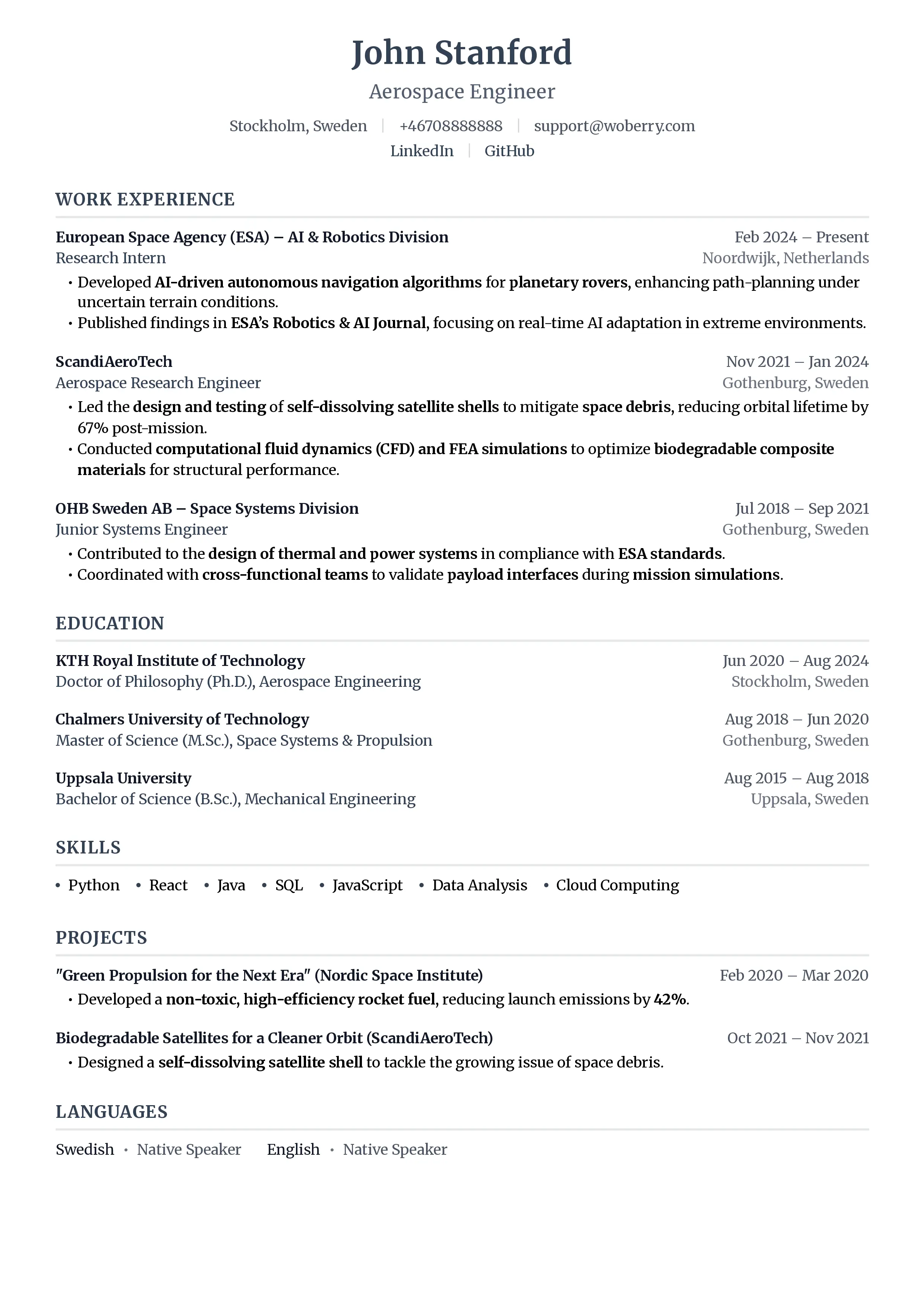
Here's where most people miss an opportunity. Your resume should signal that you bring human value, not just technical competence. Hiring managers are already thinking about which roles AI can absorb. Show them you're not one of them.
Before (generic, automatable-sounding):
Managed client accounts and prepared quarterly reports
After (emphasizes human judgment and relationships):
Built trusted advisory relationships with 12 enterprise clients, leading strategic reviews that drove $2.4M in upsell revenue through personalized growth recommendations
Before (task-focused):
Conducted user interviews and created research reports
After (highlights synthesis and insight):
Designed and led 40+ ethnographic user interviews, translating ambiguous behavioral patterns into product strategy that reduced churn by 18%
Notice the difference. The "after" versions emphasize judgment, relationships, and strategic thinking, which are exactly the qualities that make a role AI-resistant. The "before" versions describe tasks that an AI could plausibly handle.
When you're building your resume, ResumeFast can help you craft bullet points that highlight these human-centric strengths. And if you want to go deeper on which skills to emphasize, our guide to AI-proof resume skills covers specific language and phrasing that signals your value.
Frequently Asked Questions
Will AI eventually replace all jobs?
No. AI is exceptionally good at processing structured data, generating content from patterns, and automating repetitive workflows. But jobs that require physical dexterity in unpredictable environments, deep emotional connection, or novel strategic thinking are fundamentally different from what AI does well. These roles will evolve and gain new tools, but the human at the center remains essential.
How do I know if my specific job is at risk?
Ask yourself three questions. First, could someone write a detailed script for 80% of what you do? Second, does your work primarily involve processing information that already exists in digital form? Third, could your output be evaluated by comparing it to a large dataset of "correct" examples? If you answered yes to all three, your role has higher automation risk. If your work involves ambiguity, physical presence, or relationships, you're in a stronger position.
Your resume is your first impression. Make it count.
Join 50,000+ job seekers using ResumeFast to build ATS-optimized resumes that actually get interviews.
No credit card required. Free forever.
Continue Reading
View all articles
AI Is Coming for White-Collar Jobs: What Job Seekers Should Do in 2026
AI Is Replacing These Jobs in 2026: How to Future-Proof Your Career (and Your Resume)
The Best Time to Apply for Jobs in 2026 (Down to the Hour)
Which Industries Are Still Hiring in Spring 2026?
Spring 2026 Job Search: Strategy Guide for a Cooling Market
Both Sides Are Using AI: How to Stand Out When Everyone's Automating
Build a resume that gets interviews
Ready to build your resume?