How to Recession-Proof Your Resume in 2026
With 60% of companies expecting layoffs and oil prices above $110, your resume needs to signal stability and impact. Here are the 7 changes that make your resume recession-proof.

Raman M.
Software Engineer & Career Coach
On this page
Build a resume that gets interviews
- ATS-optimized templates
- AI-powered writing
- Free to start
No credit card required
The economy is sending mixed signals, but your resume shouldn't be. Oil prices are above $110 a barrel. Stagflation is the word on every economist's lips. And according to recent surveys, 60% of companies are planning layoffs in 2026. Unemployment is expected to peak at 4.5% before the year is out.
If you're reading this, you're probably feeling the tension. Maybe you've already seen colleagues get let go. Maybe your own role feels less secure than it did six months ago. Here's the truth: the resumes that worked during the hiring boom of 2021-2023 won't save you now. You need a resume that screams "essential, not expendable."
This is your spoke-level playbook. For the full picture of what's happening in the job market crisis of 2026, read our hub guide. Right now, let's focus on the seven specific changes you should make to your resume today.
7 Resume Changes to Make Right Now
1. Lead with Cost Savings and Efficiency Metrics
During a boom, companies want growth stories. During a downturn, they want survival stories. Hiring managers are looking for people who can do more with less, cut waste, and protect the bottom line.
This means reframing your accomplishments around cost reduction, process optimization, and efficiency gains. If you saved your last company money, that needs to be the first thing a recruiter sees.
- Plain text, no formatting
- Generic objective statement
- Duties listed, no achievements
- No keywords for ATS
- Professional, ATS-optimized layout
- Targeted summary with metrics
- Achievement-focused bullet points
- Keyword-rich, recruiter-ready
Use the QVIR bullet point formula to structure these bullets so they land with maximum impact.
2. Add AI and Automation Skills
Here's a number that should get your attention: 37% of roles are expected to be replaced or significantly restructured by AI by the end of 2026. Companies aren't just cutting costs through layoffs. They're investing in automation, and they want employees who can work alongside these tools, not be replaced by them.
Add specific AI tools and automation skills to your resume. Think prompt engineering, workflow automation (Zapier, Make, n8n), data analysis with AI assistants, or whatever AI tools are relevant to your field. If you haven't built these skills yet, check out our guide on AI-proof resume skills for a roadmap.
If you've used AI tools to improve a process at work, that's a resume bullet. "Implemented AI-assisted content workflow that reduced production time by 60%" is exactly the kind of thing hiring managers want to see right now.
3. Emphasize Revenue Protection, Not Just Revenue Growth
In a recession, keeping revenue stable is just as impressive as growing it. If you retained clients, reduced churn, maintained market share during a tough quarter, or prevented revenue loss, those stories belong front and center.
- Plain text, no formatting
- Generic objective statement
- Duties listed, no achievements
- No keywords for ATS
- Professional, ATS-optimized layout
- Targeted summary with metrics
- Achievement-focused bullet points
- Keyword-rich, recruiter-ready
The shift is subtle but powerful. Growth is great. But protecting what already exists signals maturity and strategic thinking, exactly what companies need when they're in survival mode.
4. Show Cross-Functional Flexibility
When companies downsize, the people who stay are the ones who can wear multiple hats. If you've worked across departments, picked up responsibilities outside your job description, or bridged gaps between teams, make that visible.
Don't bury cross-functional work in a paragraph nobody reads. Pull it into its own bullet points with clear outcomes.
- Plain text, no formatting
- Generic objective statement
- Duties listed, no achievements
- No keywords for ATS
- Professional, ATS-optimized layout
- Targeted summary with metrics
- Achievement-focused bullet points
- Keyword-rich, recruiter-ready
Hiring managers in a downturn are quietly asking themselves: "If I can only hire one person, can this person do the work of two?" Make the answer obvious.
5. Remove Anything That Signals "Expensive"
This one is counterintuitive, but important. During a recession, certain resume items can actually work against you. References to managing massive budgets, luxury perks, or high-budget vanity projects can make a cost-conscious hiring manager think you're too expensive or too accustomed to resources they can't provide.
This doesn't mean you should hide leadership experience. It means you should reframe big-budget work in terms of ROI and efficiency, not scale for the sake of scale.
- Plain text, no formatting
- Generic objective statement
- Duties listed, no achievements
- No keywords for ATS
- Professional, ATS-optimized layout
- Targeted summary with metrics
- Achievement-focused bullet points
- Keyword-rich, recruiter-ready
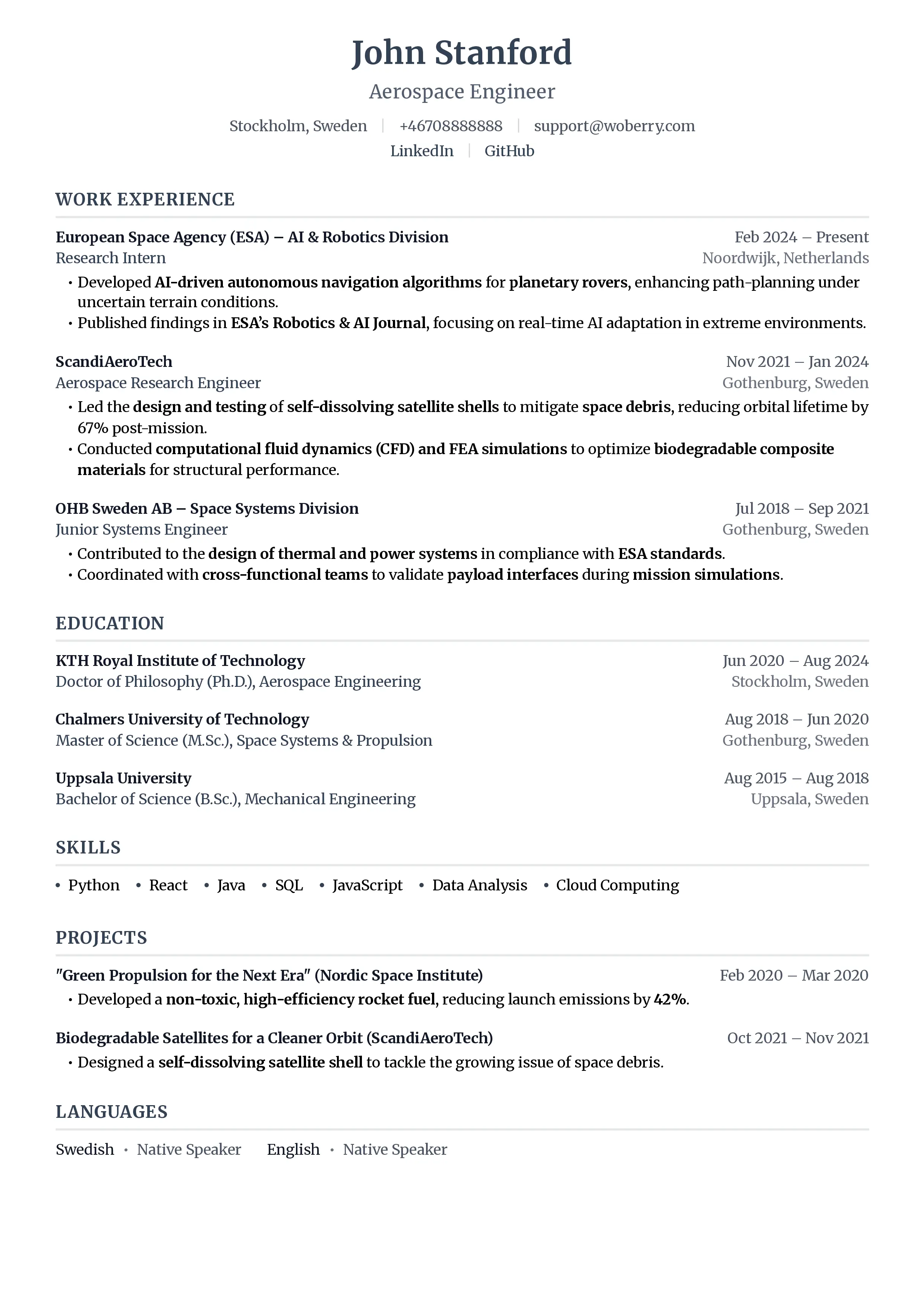
See the difference? Same role. Same work. But the second version emphasizes smart spending, not big spending.
6. Tighten Your Resume to Essential Impact Only
Recessions are not the time for two-page resumes packed with filler. Every line needs to earn its place. Cut anything that doesn't directly demonstrate value: outdated certifications, irrelevant side projects, vague responsibilities that don't include outcomes.
A strong rule of thumb: if a bullet point doesn't contain a number or a measurable result, it probably needs rewriting. Our guide on how to quantify your achievements walks you through this step by step.
Aim for a resume that a hiring manager can scan in 7 seconds and immediately understand your value proposition. If they have to dig for it, you've already lost.
7. Tailor Ruthlessly for Each Application
This has always been good advice, but during a downturn it's non-negotiable. When companies are getting 500+ applications per opening, a generic resume will disappear into the ATS void. You need to mirror the language, priorities, and keywords from each job posting.
Read the job description three times. Identify the top 3-5 priorities the company is hiring for. Then adjust your bullets and summary to speak directly to those priorities. Our complete guide on tailoring your resume has the exact process.
ResumeFast's AI resume builder can help you tailor your resume for each application in minutes, not hours. It analyzes job descriptions and suggests targeted adjustments so your resume always speaks the hiring manager's language.
What Hiring Managers Look for in a Downturn vs. a Boom
Understanding the shift in hiring priorities helps you position yourself correctly:
| During a Boom | During a Recession |
|---|---|
| Growth metrics (revenue, users, scale) | Efficiency metrics (cost savings, ROI, retention) |
| Ambition and vision | Practicality and execution |
| Specialized expertise | Versatility and cross-functional skills |
| Culture fit and soft perks | Direct business impact |
| "Nice to have" qualifications | "Must have" qualifications only |
| Willingness to take risks | Track record of stability and reliability |
The core shift is this: boom hiring asks "What could this person build?" Recession hiring asks "What could this person save?"
Adjust your resume language accordingly, and you'll stand out from candidates who are still writing for a market that no longer exists.
Frequently Asked Questions
Absolutely. A well-crafted summary is more important than ever because hiring managers are screening faster and more ruthlessly. Use 2-3 sentences to highlight your cost-saving impact, versatility, and the specific value you bring. Skip vague statements like "results-driven professional." Instead, lead with a concrete number: "Operations leader who reduced overhead by $400K across two divisions while maintaining 99.2% service uptime."
Not necessarily. While layoffs are rising, some sectors are actively hiring, particularly cybersecurity, healthcare tech, AI/ML engineering, and essential services. The key is to be strategic. Don't leave a stable role for a risky one, but if you're already job searching or have been laid off, a recession can surface opportunities at companies that are restructuring and need fresh talent. The competition is stiffer, so your resume needs to be sharper.
Be honest and brief. A short line in your resume like "Company conducted 15% workforce reduction; role eliminated" removes the stigma. Recruiters in 2026 understand that layoffs are about economics, not performance. Focus the rest of your resume on outcomes and impact from your previous roles. If you used the gap productively (freelancing, upskilling, certifications), include that too.
One page for most professionals with under 10 years of experience. Two pages maximum for senior roles with extensive, relevant accomplishments. The emphasis here is on "relevant." Cut anything that doesn't directly support the role you're applying for. In a downturn, conciseness signals clarity of thought, and that's exactly what hiring teams want to see.
The Bottom Line
A recession-proof resume isn't about panic. It's about precision. You reframe your accomplishments around what companies actually care about right now: saving money, doing more with less, and staying adaptable in a market that's shifting under everyone's feet.
Make these seven changes, and your resume won't just survive the downturn. It'll put you ahead of candidates who are still writing for yesterday's economy.
Ready to rebuild your resume for the 2026 market? Try ResumeFast's AI resume builder to get a recession-optimized resume in minutes, with smart tailoring for every application.
Your resume is your first impression. Make it count.
Join 50,000+ job seekers using ResumeFast to build ATS-optimized resumes that actually get interviews.
No credit card required. Free forever.
Continue Reading
View all articles
Cover Letter vs Resume: Differences and When You Need Both
The Complete ATS Resume Guide (2026)
Resume Writing Guide: How to Write a Resume in 2026
Job Hopping in 2026: How Short Tenures Actually Read on Your Resume

New Grad Resume Guide: How to Get Hired in 2026 Without Experience
Defense and Cybersecurity Resume Guide: How to Land a Job in the Fastest-Growing Sectors of 2026
Build a resume that gets interviews
Ready to build your resume?