
Networking for Introverts: Low-Energy Job Search Tactics
Practical networking strategies designed for introverts. Skip the cocktail parties and use these low-energy, high-impact approaches to land your next role.

ResumeFast Team
The team behind ResumeFast

On this page
Build a resume that gets interviews
- ATS-optimized templates
- AI-powered writing
- Free to start
No credit card required
"You just need to network more." If you're an introvert, that advice feels like telling someone with a fear of heights to just climb more ladders. You know networking matters. You've read the statistics. But the thought of walking into a room full of strangers and making small talk makes you want to hide under your desk.
Here's what nobody tells you: the best networking strategies for introverts don't involve networking events at all. The cocktail-party, business-card-swapping version of networking is just one approach, and it's not even the most effective one.
Why Traditional Networking Advice Fails Introverts
Most networking advice is written by extroverts, for extroverts. "Work the room!" "Talk to as many people as possible!" "Follow up with everyone you meet!"
This approach drains introverts and produces shallow connections. And in 2026, shallow connections don't get you jobs. Deep, genuine relationships do.
Research shows that most jobs aren't filled through someone you met once at a happy hour. They're filled through what sociologists call "weak ties," people who know you well enough to vouch for you but aren't your closest friends. Building those ties doesn't require being the loudest person in the room.
Strategy 1: The Informational Interview (Your Secret Weapon)
Informational interviews are one-on-one conversations where you ask someone about their career, their company, or their industry. No job ask. No pressure. Just genuine curiosity. For a complete playbook on setting these up, see our informational interview guide.
This is perfect for introverts because:
- It's a structured, one-on-one conversation (not a crowded room)
- You're asking questions, not selling yourself (less pressure)
- It builds a real relationship over a single conversation
How to request one:
Hi [Name], I'm exploring opportunities in [industry/role] and came across your work at [Company]. I'd love to learn about your experience there. Would you be open to a 20-minute virtual coffee chat? I'd really appreciate your perspective.
Keep it to 20-30 minutes. Come with 5-7 thoughtful questions. Send a thank you message afterward. That's it.
The magic: When a job opens up at their company, you're now a name they recognize, not a random applicant.
Strategy 2: Write Instead of Talk
Introverts often express themselves better in writing than in spontaneous conversation. Use that strength.
Start a professional blog or newsletter. Write about trends, insights, or lessons learned in your field. Share it on LinkedIn. This positions you as a thoughtful professional without requiring any face-to-face interaction.
Comment thoughtfully on LinkedIn posts. Don't just click "like." Write a 2-3 sentence comment that adds to the conversation. This gets you noticed by the poster and their network without the pressure of real-time conversation. For more on making LinkedIn work for you, see our guide on optimizing your LinkedIn profile for recruiters.
Publish on Medium or industry blogs. Reach is secondary. The point is having something to share that demonstrates expertise.
One article that gets shared is worth 50 business cards that get thrown away.
Strategy 3: Leverage Online Communities
You don't have to network in person. Online communities let you build relationships at your own pace, on your own schedule.
Places to find your people:
- Slack communities for your industry (there are thousands)
- Discord servers for specific tools or technologies
- Reddit communities related to your field
- LinkedIn groups (less active, but still useful for certain industries)
- Professional associations with online forums
The approach: lurk for a week to understand the culture, then start contributing. Answer questions. Share resources. Help people. Relationships form naturally when you're genuinely useful.
Strategy 4: The "Five People" Approach
Instead of trying to meet everyone, focus on building relationships with just five people at a time.
- Identify 5 people you'd like to know better (former colleagues, industry peers, people whose work you admire)
- Engage with their content on LinkedIn for 2-3 weeks (genuine comments, not generic praise)
- Send a personal message referencing something specific they posted or accomplished
- Suggest a brief call or coffee once you've established a pattern of engagement
- Maintain the relationship with occasional check-ins every 2-3 months
This focused approach builds five genuine relationships instead of fifty superficial ones. And five people who really know your work are more valuable than fifty people who vaguely remember your face.
Strategy 5: Volunteer Your Skills
Instead of networking for the sake of networking, offer your skills to organizations and let relationships form around the work.
- Volunteer for a nonprofit in a role that uses your professional skills
- Mentor someone through a formal program or informally
- Speak at a meetup on a topic you know well (yes, introverts can be great speakers, preparation is key)
- Contribute to open source projects or community initiatives
When you're focused on a shared task, conversation happens naturally. It's no longer "networking." It's just working alongside interesting people.
Strategy 6: Use Your Resume as a Conversation Starter
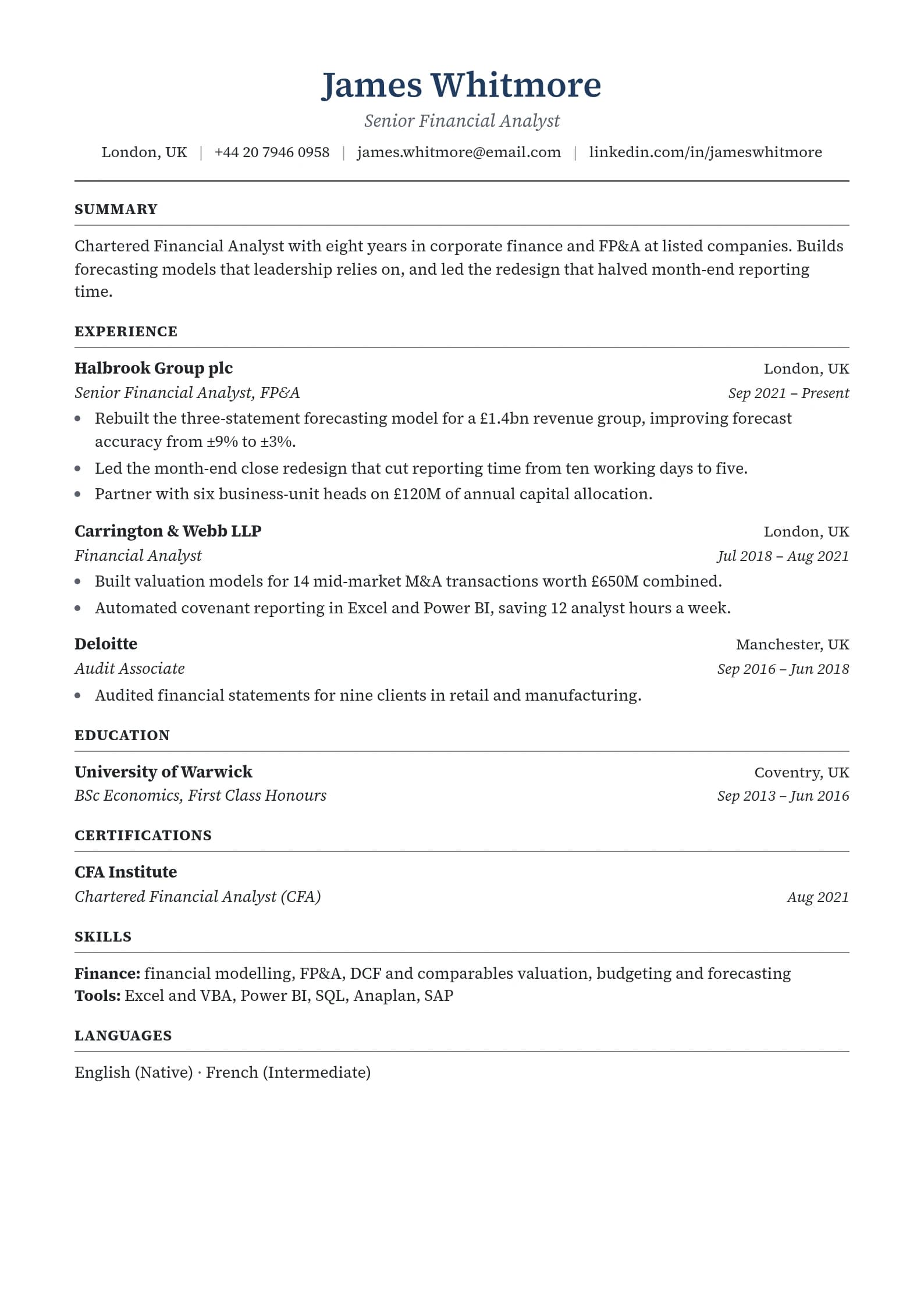
A strong resume can actually make networking easier. When your resume clearly communicates your value and accomplishments, you have a built-in talking point.
Instead of the dreaded "So, what do you do?" followed by a fumbling elevator pitch, you can say: "I help companies reduce their customer churn. I recently worked on a project that cut cancellations by 25%."
That's specific, memorable, and invites follow-up questions. Building your resume in the ResumeFast builder helps you identify and articulate your strongest accomplishments, giving you ready-made talking points. Building and editing are free, and your first PDF or Word download is free (once per account). After that, PDF and Word need Pro at $6.95 a month, billed monthly, cancel anytime. Plain text (.txt) downloads are always free.
Energy Management: The Introvert's Edge
Networking isn't about doing more. It's about doing the right things and managing your energy.
Before an event or call:
- Review the person's LinkedIn profile so you have specific questions ready
- Set a goal (e.g., "I'll talk to two people" or "I'll stay for 45 minutes")
- Arrive early when it's quieter and easier to start conversations
During:
- Ask questions and listen deeply (introverts are naturally good at this)
- Take breaks when you need them (step outside, check your phone, get water)
- Focus on quality conversations, not quantity
After:
- Send follow-up messages the next day while the conversation is fresh
- Schedule recovery time (no back-to-back social commitments)
- Take notes on what you discussed for future reference
The Numbers That Should Encourage You
Referrals are one of the largest sources of hires, though the claim that 70 to 80 percent of jobs are filled through networking has no traceable source (see the hidden job market). Networking doesn't mean cocktail parties. It means referrals, introductions, and relationships. An introvert who has 10 genuine professional relationships is better positioned than an extrovert with 500 LinkedIn connections they've never spoken to.
Quality of connection matters more than quantity. One person who truly understands your work and would recommend you to their boss is worth more than a drawer full of business cards.
Networking fits into a wider plan in the job search strategy guide.
Frequently Asked Questions
How often should I network as an introvert?
Aim for 1-2 meaningful interactions per week. That could be a LinkedIn comment, an informational interview, or a message to a former colleague. Consistency matters more than volume. Don't force yourself into daily networking that leaves you drained.
What if I hate small talk?
Skip it. Introverts thrive in deeper conversations. Start with a specific question: "What's the most interesting project you're working on right now?" or "I saw your post about [topic], what made you think about that?" These questions bypass small talk and get to substance immediately.
Should I go to networking events at all?
Only if you want to. If you do go, give yourself permission to leave after 45 minutes and aim to have 2-3 real conversations instead of circulating the room. But if events drain you to the point of avoidance, focus on the online and one-on-one strategies instead. They work just as well.
How do I follow up without being annoying?
Follow up once with a specific reference to your conversation. Then connect on LinkedIn. Then let the relationship develop naturally through occasional engagement with their content. If someone doesn't respond to your follow-up, that's fine. Move on to the next person. Not every connection will click.
ResumeFast Team
The team behind ResumeFast
The team that builds ResumeFast's resume templates and ATS checker and writes its expert reviews..
Your resume is your first impression. Make it count.
Build an ATS-optimized resume that gets read, with AI help on every section.
No credit card required. Your first PDF or Word download is free; after that, Pro is $6.95 a month.
Continue Reading
View all articles
Two Weeks Notice Letter: 6 Samples You Can Copy

How to Spot a Fake Job Posting: 2026 Scam Red Flags

Should You Apply for Jobs You're Not Qualified For?

Job Search Strategy Guide: How to Find a Job in 2026

Walk Me Through Your Resume: Sample Answers That Work

Job Hopping on a Resume: How Short Tenures Read in 2026
Build a resume that gets interviews
Ready to build your resume?