
How to Spot a Fake Job Posting: 2026 Scam Red Flags
How to spot a fake job posting in 2026: job scam red flags, task scams and fake recruiter texts, a 5-minute check, and what to do if you already replied.

Raman M.
Software Engineer & Founder of ResumeFast

On this page
Build a resume that gets interviews
- ATS-optimized templates
- AI-powered writing
- Free to start
No credit card required
The text lands on a Tuesday: "Hi, this is Jessica from a brand you know. We reviewed your resume and have a remote role with daily pay. Reply YES." After forty silent applications, a recruiter reaching out first feels like a break. It almost certainly isn't.
A fake job posting is a job ad or recruiter message built to take your money or your personal data, not to hire you. The six strongest signs:
- You're asked to pay for training, equipment, a starter kit, or crypto to "unlock" work.
- The first contact is an unexpected text, WhatsApp or Telegram message about a job you never applied for.
- The interview happens only over chat, never by phone or video.
- You're sent a check to buy equipment from their vendor or to send part of it back.
- They want your Social Security number or bank details before a written offer.
- The pay is far too high for trivial work, like rating products.
Our rule of thumb: one sign means stop and verify. Two means walk away.
Fake job postings vs ghost jobs
A ghost job is a real company's real listing that nobody is actively hiring for. A job scam is fraud: the employer is invented or impersonated. A ghost job costs you time. A scam costs you money or your identity.
Job scams by the numbers
| Source | Period | Finding |
|---|---|---|
| FBI IC3 annual report | 2025 vs 2023 | 24,688 employment fraud complaints and $362.9 million lost, up from 15,443 and $70.2 million |
| FBI IC3 annual report | 2025 | $288.2 million of employment losses came from complaints with a crypto link |
| FTC press release | 2024 | $501 million lost to job and employment agency scams, up from $90 million in 2020 |
| FTC Data Spotlight | First half of 2024 | About 20,000 task scam reports, up from about 5,000 in all of 2023 |
| FTC Data Spotlight | 2025 | 1 in 3 people who lost money to a job or business opportunity scam said it started on social media |
In the FBI data, complaints rose 60% from 2023 to 2025 while losses rose more than fivefold, so each victim is losing more. About 79% of 2025 employment fraud losses had a crypto link. The same report flags interviews using spoofed or possibly deepfaked voices, with almost $13 million lost to AI-involved employment scams in 2025.
The FTC also told Congress in March 2026 that texts were the top reported contact method in 2025 fraud reports.
Task scams: the "job" where you pay to get paid
The fastest-growing version is the task scam, which the FTC calls a gamified job scam. An unexpected text or WhatsApp message offers vague online work, like "product boosting." You rate products in an app that shows commissions piling up, then you're told to deposit money, usually crypto, to unlock the next batch. Hesitate, and a group chat of "coworkers" shares success stories.
The FBI's June 2024 warning describes the same playbook: crypto payments to "unlock" work, and a fake dashboard showing earnings you can never withdraw. The FTC's rule covers every variation: never pay anyone to get paid.
Job scam red flags: what real employers do instead
| Red flag | What it looks like | Why scammers do it | What a real employer does |
|---|---|---|---|
| Unexpected text, WhatsApp or Telegram | "We saw your resume. Reply YES." | Cheap at scale, and off platforms that screen for fraud | Writes from a company email about a role you applied for |
| Interview only over chat | Typed questions in a chat app | Hides who they are; one scammer runs dozens of "interviews" | Holds at least one live phone or video conversation |
| A check for "equipment" | Deposit their check, buy a laptop from their "vendor," send the rest back | The check bounces and you owe your bank the full amount | Ships equipment or reimburses you through payroll |
| Paying for training or a kit | "A small onboarding fee, refunded with your first paycheck" | The fee is the whole business | Pays you while you train |
| SSN or bank details before an offer | "HR needs your SSN to start your background check" | Identity theft and resale of your data | Collects them after a written offer, for payroll and tax forms |
| Crypto anywhere | "Deposit USDT to unlock today's tasks" | Crypto payments are very hard to reverse | Pays you, never the other way around |
| Free email or lookalike domain | jessica.hr.recruiting@gmail.com or brandname-careers-hr.com | Disposable, no proof of identity | Emails from the same domain as its website |
| Pay far above the work | Hundreds a day for an hour of rating apps | Bait that makes you ignore the other flags | Lists real duties, with pay in line with the role |
The agencies back the right-hand column. The FTC's job scam guidance says honest employers "will never ask you to pay to get a job." The FBI's 2022 alert says legitimate companies ask for personal and bank details "AFTER hiring." And the FTC's April 2026 alert on fake recruiters impersonating recognizable companies says of unexpected job texts: "Real employers will never contact you that way."
The 5-minute scam check
Before you reply or share anything, run our five-step check:
- Find the job on the company's own careers page. Type the address yourself instead of clicking a link in the message.
- Compare the email domain to the website domain. They should match exactly. Watch for extra hyphens, added words like "careers," and .co instead of .com.
- Check the recruiter on LinkedIn. Look for a real work history and a workplace verification badge, then confirm they work there by calling the company on a number you found yourself.
- Search before you trust. Search the company name plus "scam," paste a sentence from the message in quotes, and reverse image search the recruiter's photo.
- Apply the money rule. If any step involves you paying, buying, or depositing a check, stop.
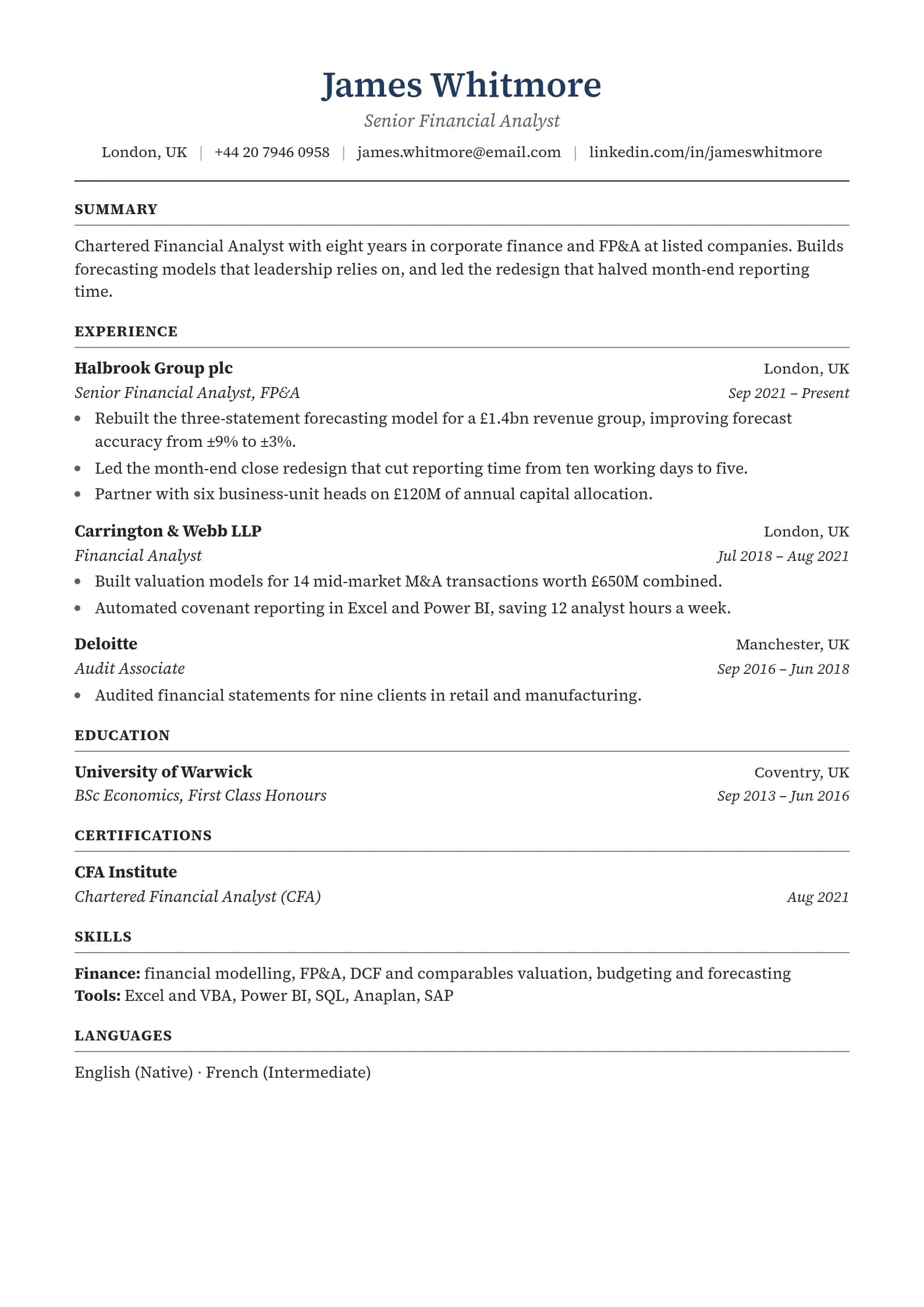
Vagueness is a signal too. Our free job description analyzer won't detect scams, but a real posting gives it concrete skills to extract, while "weekly pay, no experience needed" gives it almost nothing. For contrast, here's what a real recruiter screen looks like.
Already replied, paid, or sent your details?
Replying "YES" tells a scammer your number is live. Money and data need fast action, per the FTC's steps for scam victims:
- Stop all contact. Never pay to "unlock" a withdrawal, or pay a crypto recovery service (the FBI warns against both).
- Paid by card or bank transfer? Ask your bank or card issuer to reverse it now.
- Paid in crypto? Report it as fraud to the exchange or crypto ATM operator and ask for a reversal.
- Deposited their check? Tell your bank right away, and don't send any of the money on.
- Gave your Social Security number? Report it at IdentityTheft.gov for a customized recovery plan.
- Report it at ReportFraud.ftc.gov, to the FBI at ic3.gov, and to the platform where you found it. Keep screenshots, numbers, wallet addresses and transaction IDs.
How to protect your resume data from job scammers
The FBI's 2022 alert describes fake postings built to harvest applicants' personal information, so keep your public resume lean:
- Use city and state, not a street address. Here's why that's enough.
- Leave off your date of birth, Social Security number and driver's license number. A US employer collects what it needs after an offer.
- Use a separate email address for your job search, so phishing stands out.
- Check the visibility setting on every job board that hosts your resume.
The ResumeFast resume builder is free to build with and includes a plain-text download; PDF and Word downloads are on Pro at $6.95 a month, cancel anytime. For where real openings come from, see our job search strategy guide.
Frequently Asked Questions
Do real recruiters ever text job candidates?
Some do, usually to schedule a call after you have applied or spoken. They do not send generic, unexpected texts or WhatsApp messages offering a job you never applied for. The FTC advises ignoring those.
Is a remote job that sends you a check for equipment a scam?
Almost always. The check bounces, your bank wants the full amount back, and whatever you sent their vendor is gone. Real employers ship equipment or reimburse you.
What is the difference between a ghost job and a fake job posting?
A ghost job is a real company listing a role it is not actively filling, which wastes your time. A fake job posting is fraud by an invented or impersonated employer, designed to take your money or personal data.
Can I get my money back from a job scam?
Sometimes. Your best chance is to call your bank or card issuer right away and ask them to reverse the payment. Crypto payments are extremely hard to recover. Report it to the FTC and the FBI either way.
Your resume is your first impression. Make it count.
Build an ATS-optimized resume that gets read, with AI help on every section.
No credit card required. PDF and Word downloads are $6.95 a month with Pro.
Continue Reading
View all articles
Should You Apply for Jobs You're Not Qualified For?

Job Search Strategy Guide: How to Find a Job in 2026

Walk Me Through Your Resume: The 90-Second Answer Framework

Job Hopping in 2026: How Short Tenures Actually Read on Your Resume

Reference Checks Decoded: What Employers Actually Verify (and What They Can't)

Take-Home Assignments in 2026: When to Do Them, When to Walk Away
Build a resume that gets interviews
Ready to build your resume?