The Resume Black Hole: Why You Never Hear Back
Map the 7-stage lifecycle of your resume after submission. Learn why qualified candidates never hear back and how to escape the black hole.

Raman M.
Software Engineer & Career Coach

On this page
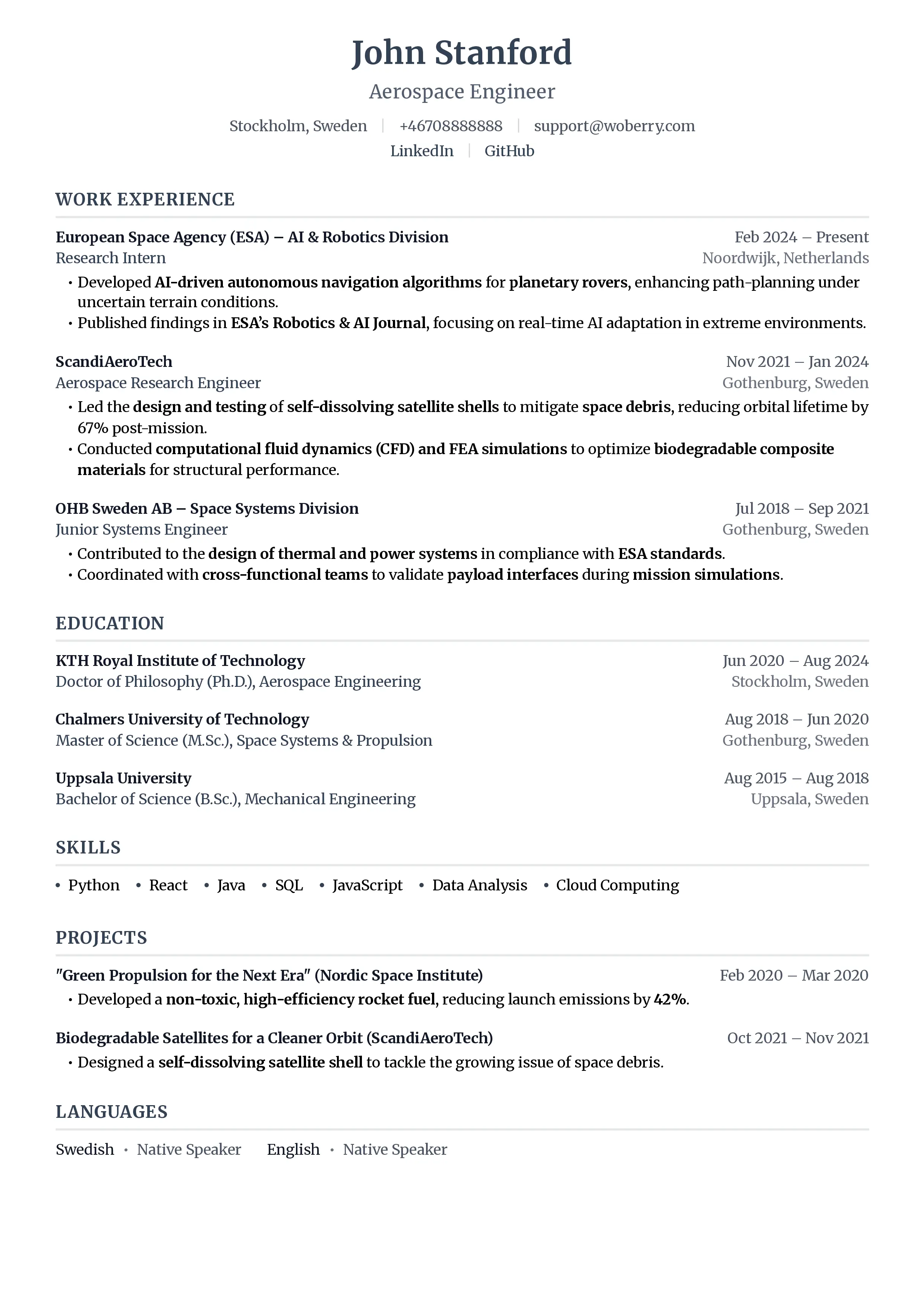
Build a resume that gets interviews
- ATS-optimized templates
- AI-powered writing
- Free to start
No credit card required
You've applied to 73 jobs this quarter. You're qualified for at least 60 of them. You've received exactly two responses, both rejections. Your resume isn't bad. The system is.
The resume black hole is the gap between submitting an application and receiving a response, a period that averages 2-4 weeks for rejections and often results in no response at all. If you've been applying consistently and hearing nothing, it's not because you lack talent. It's because your resume is navigating a gauntlet that most candidates never fully see.
Let's pull back the curtain.
The 7-Stage Lifecycle of Your Resume After You Click "Apply"
Most job seekers imagine a simple process: you submit your resume, a recruiter reads it, and they decide yes or no. The reality is far more complex. Your resume passes through at least seven distinct stages, and it can be eliminated at any one of them without a human ever seeing it.
Stage 1: The ATS Ingestion
The moment you click "Submit," your resume enters an Applicant Tracking System (ATS). This software doesn't read your resume the way you wrote it. It parses it, extracting structured data from what you intended as a polished document.
Here's what typically gets extracted:
- Contact information (name, email, phone)
- Work history (companies, titles, dates)
- Education (schools, degrees, graduation dates)
- Skills (keywords matched against a database)
And here's what often gets lost or mangled:
- Formatting, columns, and visual design (completely stripped)
- Information embedded in headers or footers (often ignored by parsers)
- Content inside text boxes, tables, or graphics (frequently missed)
- Context that connects your bullets to specific roles
Your beautifully designed two-column resume might arrive on the other side as a garbled mess of disconnected text. If you want to understand the technical details of how this parsing works, check out our deep dive on how ATS systems actually process your resume.
Stage 2: The Automated Knockout Screen
Before any scoring happens, most ATS platforms run hard filters. These are binary yes/no questions, and getting a "no" on any of them means instant elimination.
Common knockout filters include:
- Years of experience: The recruiter sets a minimum (say, 5 years). If the ATS calculates you have 4 years and 11 months, you're out.
- Degree requirements: "Bachelor's required" becomes a checkbox. No degree detected, no advancement.
- Location: If the role says "New York" and your resume says "Chicago" without mentioning willingness to relocate, filtered.
- Visa/work authorization: A single dropdown answer can remove you instantly.
- Salary expectations: Some applications ask for a number. Too high, and you never reach a human.
This stage alone eliminates 40-60% of applicants. Some of them are genuinely unqualified. Many are perfectly qualified candidates who tripped a filter on a technicality.
Stage 3: The Keyword Scoring Round
Resumes that survive knockout filters enter the scoring phase. The ATS compares your resume's content against the job description and assigns a relevance score.
This is not sophisticated AI reading comprehension. It's pattern matching. The system looks for exact or near-exact keyword matches between your resume and the job posting. If the posting says "project management" and your resume says "managed projects," some systems won't make the connection.
Your resume gets a score, typically a percentage. Recruiters often set a threshold: "Show me everyone scored 70% or above." If you land at 68%, you're invisible.
The frustrating truth? You might be the most qualified person in the applicant pool and still score below the threshold because you described your experience using different terminology than the job posting. For more on how keyword matching actually works (and what the myths are), read our breakdown of resume keywords and what really matters.
Stage 4: The Recruiter Queue
Congratulations, your resume made it past the machines. Now it enters a ranked list that a human recruiter will review.
Here's the problem: a typical corporate job opening receives 250+ applications. After automated filtering, perhaps 50-100 remain. The recruiter doesn't read all of them. They start at the top of the ranked list and work their way down until they have enough candidates, usually 15-25 resumes that get a real look.
If you're ranked 30th, you might never be seen even though you cleared every automated hurdle. The recruiter found enough promising candidates before reaching your position in the queue.
Timing matters here too. Resumes submitted earlier often get reviewed first, especially if recruiters check applications in batches. Apply on day one, and you're in the first batch. Apply on day 14, and the recruiter may already have their shortlist.
Stage 5: The 6-Second Human Scan
A recruiter finally opens your resume. You get roughly 6-7 seconds of their attention before they decide "maybe" or "next."
In those seconds, they're scanning for:
- Current job title (does it match what they're hiring for?)
- Current company (do they recognize it?)
- Career trajectory (progression or stagnation?)
- Quick keyword hits (do they see the skills they need?)
This is not reading. It's pattern matching at human speed. If your resume's visual hierarchy is poor, if the most relevant information isn't in the top third, or if the formatting forces the recruiter to hunt for basic details, you've lost those 6 seconds.
Stage 6: The Hiring Manager Review
Resumes that survive the recruiter's scan get forwarded to the hiring manager. This is where things shift. Recruiters screen for qualifications. Hiring managers screen for fit.
They're asking different questions:
- "Could this person actually do the work on day one?"
- "Do they have experience with our specific tech stack, industry, or customer base?"
- "Would they fit the team dynamic?"
- "Are they overqualified and likely to leave in six months?"
A resume that impressed the recruiter might underwhelm the hiring manager, and vice versa. The hiring manager often has a more nuanced understanding of what the role actually requires versus what HR put in the job description.
Stage 7: The Decision Bottleneck
Even after a hiring manager says "I like these four candidates," the process can stall. This is the stage nobody talks about, but it's responsible for a huge portion of the silence you experience.
Common bottlenecks:
- Budget freezes: The role gets put on hold mid-process.
- Internal candidates: Someone internal expresses interest, and they get priority.
- Competing priorities: The hiring manager gets pulled into a product launch and doesn't schedule interviews for three weeks.
- Committee disagreement: The hiring manager wants Candidate A, the VP wants Candidate B, and nobody makes a decision.
- The role changes: Requirements shift mid-search, and the recruiter starts over.
None of these have anything to do with you. But they all result in the same thing from your end: silence.
Why "Qualified" Isn't Enough
Here's the uncomfortable math. If a job gets 250 applications, and the company interviews 4-6 people, that's a 1.6-2.4% interview rate even before accounting for ghost jobs and frozen positions.
Being qualified gets you past Stages 2 and 3. That's necessary, but it's not sufficient. Stages 4 through 7 are about positioning, timing, and factors entirely outside your control.
Think about it:
- Two candidates with identical qualifications apply. One submits on day one, the other on day ten. The first one gets seen.
- Two resumes with the same experience. One uses the exact terminology from the job posting, the other uses synonyms. The first one scores higher.
- Two finalists the hiring manager likes equally. One was referred by a current employee, the other applied cold. The referral gets the call.
Approximately 75% of resumes are rejected by ATS software before a human ever reads them. That statistic isn't about bad candidates. It's about a system designed to reduce volume at the expense of precision.
The Ghost Job Problem
If the application process weren't difficult enough, there's another factor working against you: a significant percentage of job postings aren't real.
Research estimates that 20-30% of job listings at any given time are "ghost jobs," postings that exist but aren't actively being filled. They fall into several categories:
- Already filled internally: The company was required to post externally but already knew who they were hiring.
- Budget not yet approved: The team wants to hire but the headcount hasn't been signed off. They're "building a pipeline" just in case.
- Always collecting resumes: Some companies keep postings up perpetually to build a talent pool for future needs.
- Testing the market: The company wants to see what's out there without committing to a hire.
You can do everything right, submit a perfectly tailored resume within 24 hours of posting, score 95% on keyword matching, and have the exact experience they want. If the job is a ghost listing, none of it matters.
There's no reliable way to identify ghost jobs from the outside, but a few red flags include: listings that have been up for more than 60 days, roles that get reposted frequently with identical descriptions, and positions at companies with current hiring freezes.
What Actually Moves You Out of the Black Hole
Understanding the 7-stage lifecycle isn't just an academic exercise. Each stage has specific tactics that improve your odds.
Tailor Every Single Application
This is the single highest-impact thing you can do. A tailored resume that mirrors the language of the job description will outscore a generic resume every time, even if the generic one represents more impressive experience.
Read the job posting carefully. Identify the 8-10 most important keywords and phrases. Make sure they appear naturally in your resume. For a complete walkthrough on this process, see our guide on how to tailor your resume for each application.
Apply Within 48 Hours of Posting
Early applicants get reviewed first. Many recruiters start screening before the posting closes. Waiting a week to apply can mean the difference between being in the first batch reviewed and never being seen at all.
Set up job alerts for your target roles and companies. When a match appears, apply that day if possible.
Use the Exact Job Title from the Posting
If the posting says "Senior Marketing Manager," your resume should say "Senior Marketing Manager" (assuming that's accurate to your experience), not "Sr. Mktg Manager" or "Marketing Lead." ATS keyword matching is often literal, and recruiters scanning quickly look for title matches.
Network Past the ATS Entirely
Here's the most powerful statistic in this entire post: a referred candidate is 4-5 times more likely to be hired than a candidate who applies through a job board.
Referrals skip Stages 1-4 entirely. They go directly to the recruiter or hiring manager's desk with a built-in endorsement. If you know someone at the company, even a loose connection, reach out before you apply online.
This doesn't mean cold-messaging strangers on LinkedIn with "Can you refer me?" It means building genuine relationships in your industry over time. Attend events. Engage with people's content. Have real conversations. Then, when a role opens up, you have someone who can vouch for you.
Follow Up Strategically
One polite follow-up email, sent 7-10 days after applying, can make the difference. Keep it brief: reiterate your interest, mention one specific thing you'd bring to the role, and ask if there's any additional information you can provide.
Don't follow up more than once unless they respond. And never follow up with a tone of frustration or entitlement. The recruiter is managing dozens of open roles. A gentle nudge can surface your application at exactly the right moment.
Test Your ATS Score Before Submitting
Before you send your resume into the void, check how it will perform. Run it through an ATS resume score test to identify gaps in keyword matching, formatting issues that might trip up parsers, and sections that need strengthening.
Before and After: Escaping the Black Hole
Let's look at what "tailoring" actually means in practice.
Generic Summary vs. Tailored Summary
Before (generic, scores low):
Results-driven professional with 8+ years of experience in marketing. Strong communicator with a track record of success across multiple industries. Seeking a new opportunity to leverage my skills.
After (tailored for a B2B SaaS Content Marketing Manager role):
Content Marketing Manager with 8 years of experience in B2B SaaS, specializing in SEO strategy, demand generation, and marketing automation. Grew organic pipeline from $1.2M to $4.8M annually at Series B startup using content-led growth.
The second version hits the keywords the ATS is looking for (B2B SaaS, Content Marketing, SEO, demand generation, marketing automation) while giving the human reader a specific, impressive data point.
Responsibility-Focused vs. Achievement-Focused Bullets
Before (responsibilities, blends into every other resume):
Responsible for managing social media accounts and creating content calendars. Coordinated with design team on visual assets. Reported on monthly analytics.
After (achievements, stands out):
Grew LinkedIn company page following from 3K to 28K in 12 months, generating 150+ qualified leads per quarter through organic content strategy. Reduced content production time 35% by implementing a templatized workflow across a 4-person team.
Recruiters at Stage 5 are scanning for numbers and outcomes. Responsibilities tell them what you were supposed to do. Achievements tell them what you actually delivered.
Missing Keywords vs. Strategically Placed Keywords
Before (qualified but invisible to ATS):
Built data pipelines and automated reporting workflows. Worked with stakeholders to define metrics and track business performance.
After (same experience, ATS-optimized):
Built ETL data pipelines using Python, Apache Airflow, and SQL to automate reporting across 12 business units. Partnered with product and finance stakeholders to define KPIs in Tableau dashboards, reducing manual reporting by 20 hours per week.
The second version names the specific tools (Python, Apache Airflow, SQL, Tableau), uses the term "ETL" that the ATS is scanning for, and includes a quantified outcome. Same person, same experience, dramatically different ATS score.
The Quality Over Quantity Shift
Most job seekers respond to the black hole by increasing volume. If 50 applications produced one response, surely 200 will produce four. But this approach has a ceiling.
The math works better in the other direction. Ten highly tailored applications will outperform 100 generic ones. Each tailored application takes longer, yes. But it survives more stages of the lifecycle, which means a higher conversion rate from application to interview.
If you're spending your job search hours on quantity over quality, consider making the shift. Our guide on applying to fewer jobs to get more interviews breaks down exactly how this strategy works.
Frequently Asked Questions
Why am I not getting interviews despite being qualified?
Being qualified gets you past the automated screening stages, but it's not enough to guarantee interviews. Your resume may be scoring below the ATS keyword threshold because of terminology mismatches. You might be applying too late and landing in a batch that never gets reviewed. The jobs themselves might be ghost listings. Or your resume's formatting could be making it hard for both ATS parsers and human recruiters to extract your qualifications quickly. Focus on tailoring each application to the specific job posting and applying early.
How long should I wait before following up on a job application?
Wait 7-10 business days after submitting your application before following up. Send a brief, professional email to the recruiter or hiring manager expressing continued interest and adding one new piece of value, such as a relevant accomplishment or a connection to the company's recent work. If you don't receive a response to your follow-up, it's generally best to move on rather than sending multiple messages. Some companies have policies against responding to applicants until a decision is made, so silence doesn't always mean rejection.
Do companies actually look at every resume they receive?
No. Most companies do not review every resume they receive. ATS software automatically filters out 40-75% of applications before a human sees them. Of the resumes that pass automated screening, recruiters typically review only the top-ranked 15-25 candidates depending on the role's seniority and urgency. For high-volume positions like entry-level roles or well-known companies, hundreds of qualified resumes may go completely unreviewed.
Should I apply to jobs even if I don't meet every requirement?
Yes, in most cases. Job postings describe the ideal candidate, not the minimum bar. Research suggests that men apply when they meet 60% of requirements, while women tend to wait until they meet 100%. If you meet 70-80% of the listed qualifications and can make a strong case for the remaining gaps through transferable skills or quick learning ability, apply. The exception is hard requirements like specific licenses, certifications, or security clearances that cannot be worked around.
The Bottom Line
The resume black hole isn't a personal failing. It's a systemic feature of modern hiring. Understanding the 7-stage lifecycle helps you stop taking the silence personally and start optimizing for each stage strategically.
Your resume has to survive automated parsing, pass knockout filters, score well on keyword matching, rank high enough for a recruiter to see it, impress in a 6-second scan, satisfy a hiring manager's specific criteria, and arrive at a time when the company is actually ready to move forward. That's a lot of gates for any document to pass through.
But each gate has a known strategy. Tailor your keywords. Apply early. Format for parsers and scanners. Network past the machines when you can. And stop measuring your worth by your inbox.
You're not disappearing into the black hole because you're not good enough. You're disappearing because the system was designed to reduce volume, not to find the best candidates. Once you understand that, you can start playing a different game.
For more on optimizing your resume's length and format for maximum impact, check out our post on the one-page resume myth.
Ready to escape the resume black hole? Try ResumeFast to optimize your resume for ATS systems and land more interviews.
Your resume is your first impression. Make it count.
Join 50,000+ job seekers using ResumeFast to build ATS-optimized resumes that actually get interviews.
No credit card required. Free forever.
Continue Reading
View all articles
The Complete ATS Resume Guide (2026)
The 75% ATS Rejection Myth: What Really Happens to Your Resume
Is Resume.io Free? What You Actually Pay in 2026

How to Cancel Resume.io (2026): Avoid the $29.95

Zety vs Resume.io: Which Builder Wins in 2026?

How to Cancel Zety (2026): Stop the Auto-Renewal
Build a resume that gets interviews
Ready to build your resume?