Resume Keywords Myth: What ATS Really Wants
Keyword stuffing doesn't work anymore. Learn what modern ATS systems really scan for and how to optimize your resume without gaming the system.

Raman M.
Software Engineer & Career Coach
On this page
Build a resume that gets interviews
- ATS-optimized templates
- AI-powered writing
- Free to start
No credit card required
"Stuff your resume with keywords from the job description."
"Repeat important keywords 5-7 times."
"Hide white text with keywords at the bottom of your resume."
You've probably seen this advice. Maybe you've even followed it.
Here's the problem: modern ATS doesn't work that way anymore. Keyword stuffing strategies from 2015 not only don't help in 2026, they can actively hurt your chances.
Let me explain what actually matters.
The Keyword Myth: Where It Came From
Early ATS systems were simple. They searched for exact keyword matches between your resume and the job description. More matches = higher ranking.
This led to predictable gaming:
- Candidates listed keywords repeatedly
- Resumes became walls of buzzwords
- Some people hid extra keywords in white text
For a while, it worked. Then ATS vendors adapted.
Why Keyword Stuffing Doesn't Work Anymore
Modern ATS uses Natural Language Processing (NLP), the same AI technology behind ChatGPT. NLP doesn't count keywords. It understands context and meaning.
Here's what changed:
1. NLP Understands Synonyms and Related Terms
If the job description says "project management," the ATS recognizes that "led projects," "managed deliverables," and "coordinated cross-functional teams" all relate to the same skill.
Repeating "project management" five times doesn't help more than mentioning it once with context.
2. Context Matters More Than Frequency
The AI evaluates how keywords are used, not just whether they appear.
This doesn't impress modern ATS:
Project management. Project manager. Managed projects. Project management skills.
This does:
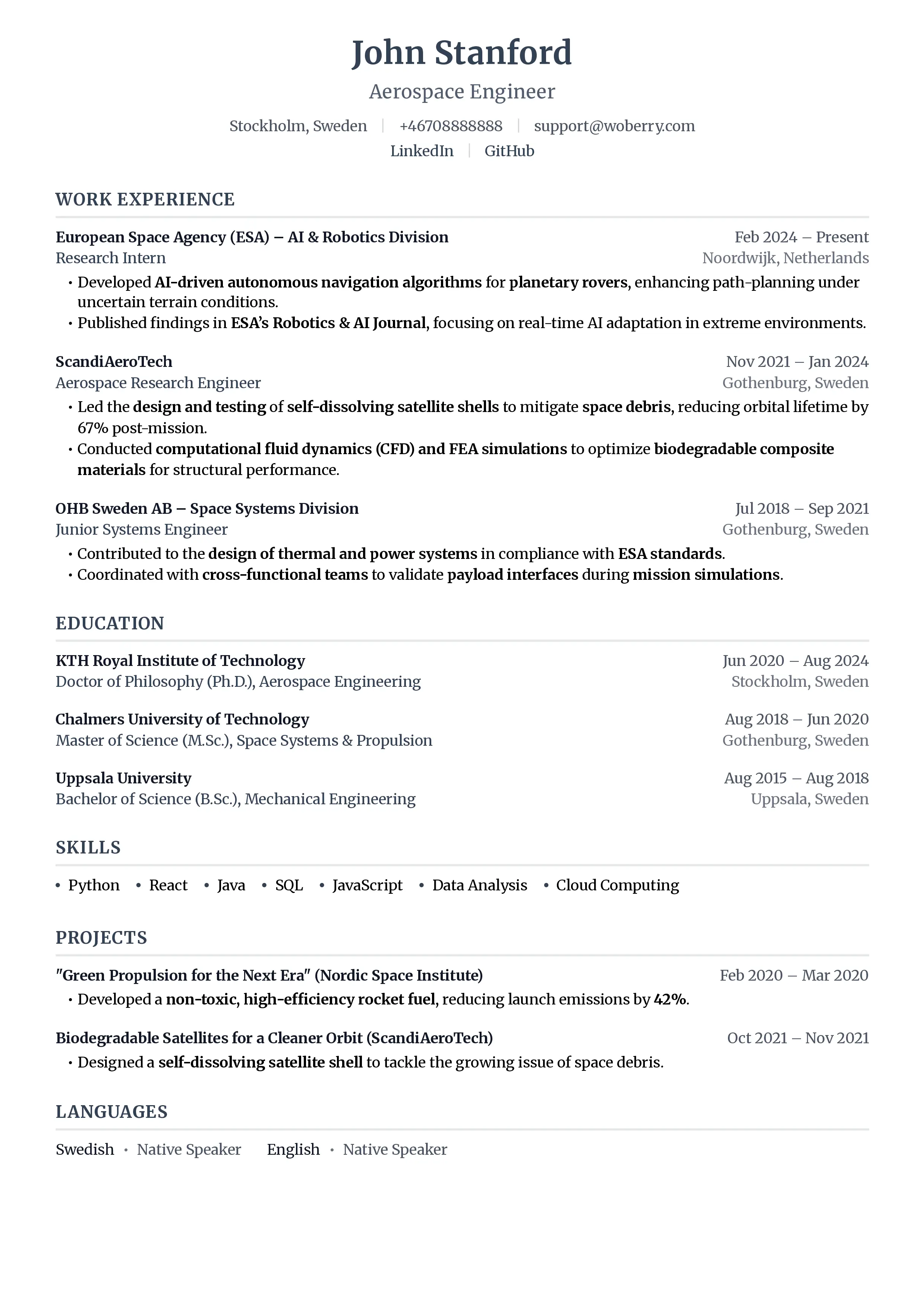
Led a team of 8 engineers through quarterly release cycles, managing project timelines, stakeholder expectations, and resource allocation.
The second example demonstrates project management through specific context. The first just repeats words.
3. Hidden Text Gets Flagged
The white-text trick, where you hide a wall of keywords in white font, is ancient news to ATS vendors.
Modern systems can:
- Detect text that doesn't match visible formatting
- Flag resumes with suspicious keyword patterns
- Identify text hidden in headers, footers, or metadata
Recruiters report that hidden keyword stuffing is "easily spotted and one of the quickest ways to burn a bridge."
4. Stuffing Can Trigger Spam Filters
ATS systems are designed to detect manipulation. A resume with unnatural keyword density may be:
- Flagged as low-quality
- Marked for additional scrutiny
- Filtered out entirely
You're not just failing to help yourself, you're actively hurting your chances.
What ATS Actually Evaluates
Forget keyword counting. Here's what modern ATS looks at:
Relevance and Context
Does your experience actually relate to the job requirements? The AI looks for:
- Skills used in real work contexts
- Achievements that demonstrate capability
- Experience that matches the role level
A bullet point showing you "managed a $2M budget" demonstrates financial skills better than listing "budget management" as a skill.
Skills Match Percentage
ATS compares your skills to job requirements and calculates a match score. But it's not about exact matches. The AI recognizes:
- Related skills (Python and Django are connected)
- Skill levels (5 years of experience vs. "familiar with")
- Transferable skills from adjacent roles
Career Trajectory Patterns
Advanced ATS platforms analyze your career path:
- Does your progression make sense for this role?
- Do you have the typical experience profile of successful hires?
- Are there gaps or inconsistencies that need explanation?
Quantified Achievements
Numbers stand out in AI parsing. The system can extract and compare:
- Percentages ("increased by 40%")
- Dollar amounts ("managed $500K budget")
- Team sizes ("led team of 12")
- Timeframes ("delivered in 8 weeks")
Quantified achievements are concrete data points. Keyword lists are not.
How to Optimize Without Stuffing
Resume keyword optimization isn't about tricking the system. It's about clearly communicating your qualifications.
1. Use Job Description Language Naturally
Read the job posting. Note the specific terms they use.
If they say "cross-functional collaboration," use that phrase, but in context:
Not this:
Cross-functional collaboration. Collaborated cross-functionally. Cross-functional team collaboration.
This:
Led cross-functional collaboration between Engineering, Design, and Marketing teams to launch the mobile app redesign.
One natural use is more effective than multiple forced repetitions.
2. Include Both Technical and Contextual Keywords
ATS scans for two types of keywords:
Hard skills/tools:
- Programming languages (Python, JavaScript)
- Software (Salesforce, Figma, Jira)
- Certifications (PMP, AWS, CPA)
- Methodologies (Agile, Six Sigma)
Contextual/soft skills:
- Leadership ("led team," "mentored junior staff")
- Communication ("presented to executives," "stakeholder management")
- Problem-solving ("identified root cause," "developed solution")
Include both types, integrated into your experience descriptions.
3. Spell Out Acronyms Once
ATS might search for either version:
Do this:
Project Management Professional (PMP) Search Engine Optimization (SEO) Customer Relationship Management (CRM)
This ensures you match searches for "PMP" and "Project Management Professional."
4. Customize for Each Application
Generic resumes get generic results. For roles you really want:
- Read the full job description
- Identify 5-7 key requirements
- Ensure your resume addresses each one with specific examples
- Mirror their language where natural
A tailored resume typically outperforms a generic one by 3x in response rate.
5. Focus on the Top Third
Recruiters and ATS both weight the top of your resume more heavily.
Your summary and first few bullet points should contain:
- Your most relevant title/experience
- Key skills that match the role
- Your strongest quantified achievement
Don't bury your best qualifications at the bottom.
The Real Test: Would a Human Be Impressed?
Here's the simplest way to evaluate your resume:
Read it out loud. Does it sound like you're:
- Describing real work you've done?
- Demonstrating specific skills through examples?
- Providing evidence of your achievements?
Or does it sound like:
- A list of buzzwords?
- Generic statements anyone could write?
- Repetitive keyword padding?
Modern ATS is designed to surface resumes that would impress human recruiters. If your resume reads well to a person, it will likely score well with AI.
Common Keyword Mistakes to Avoid
Mistake 1: Keyword Salad in Skills Section
Bad:
Skills: Leadership, communication, teamwork, problem-solving, analytical, strategic, innovative, creative, motivated, detail-oriented, organized, adaptable
This says nothing specific. Everyone claims these skills.
Better:
Skills: Python, SQL, Tableau, A/B Testing, Statistical Analysis, Google Analytics, Data Visualization, Stakeholder Presentations
Specific, verifiable skills that match the role.
Mistake 2: Copying Job Description Text
Some candidates paste job description requirements directly into their resume.
ATS can detect this. It looks unnatural and suggests you're gaming the system rather than actually having the experience.
Use the same terms, but in your own context with your own examples.
Mistake 3: Ignoring the Job-Specific Requirements
Generic keywords aren't enough. If the job posting mentions:
- Specific tools (Salesforce, not just "CRM")
- Specific methodologies (Agile Scrum, not just "Agile")
- Specific industries (B2B SaaS, not just "software")
Include those specific terms if they apply to your experience.
The Bottom Line
Modern ATS uses AI that understands context, not systems that count keywords.
What doesn't work:
- Repeating keywords multiple times
- Hiding keywords in white text
- Creating keyword lists without context
- Copying job description language verbatim
What works:
- Natural language that demonstrates skills
- Specific examples with quantified results
- Job-relevant terms used in context
- Tailored content for each application
The goal isn't to trick the ATS. It's to clearly communicate that you're qualified for the role. Do that, and both AI and human reviewers will respond positively.
Want to check how your resume matches a specific job? ResumeFast's ATS checker analyzes keyword alignment and provides specific recommendations, no stuffing required.
Your resume is your first impression. Make it count.
Join 50,000+ job seekers using ResumeFast to build ATS-optimized resumes that actually get interviews.
No credit card required. Free forever.
Continue Reading
View all articles
The Complete ATS Resume Guide (2026)
Do Headers and Footers Break ATS Parsing?
Resume Keyword Density: How Often to Repeat Keywords

ATS-Friendly Fonts: Which Fonts Pass Resume Scanners
How to Find Resume Keywords in a Job Description
Why Columns and Tables Break Your Resume in ATS
Build a resume that gets interviews
Ready to build your resume?