The 6-Second Resume Scan: What Recruiters See
Eye-tracking research reveals exactly where recruiters look during their 6-second resume scan. Learn the pattern to optimize your resume for human readers.

Raman M.
Software Engineer & Career Coach
On this page
Build a resume that gets interviews
- ATS-optimized templates
- AI-powered writing
- Free to start
No credit card required
You spent four hours perfecting your resume. Adjusting margins. Agonizing over word choices. Proofreading it six times.
Recruiters spend 6 seconds on it.
That's not a figure of speech. It's what eye-tracking research actually shows. And once you understand where those 6 seconds go, you can stop guessing and start optimizing for how resumes are really read.
The Science Behind the 6-Second Scan
In 2018, career site TheLadders conducted an eye-tracking study with 30 professional recruiters. They fitted recruiters with eye-tracking devices and recorded exactly where their gaze landed while reviewing resumes.
The findings were uncomfortable:
- Average initial scan time: 7.4 seconds (often rounded to "6 seconds" in industry discussions)
- Recruiters spent 80% of their time on just six data points
- Resumes with clear visual hierarchy received 60% more eye time on key information
The study confirmed what UX researchers call the F-pattern: readers scan left-to-right at the top, then drop down and scan a shorter line, then scan vertically down the left side.
Your beautiful resume isn't being read. It's being scanned for pattern matches.
The 6-Second Breakdown: Where Recruiters Actually Look
Eye-tracking heat maps reveal a predictable sequence. Here's what recruiters look at, in order:
1. Name and Current Title (0-1 seconds)
The very first fixation point. Recruiters confirm they're looking at the right document and immediately form an impression based on your current role.
What they're thinking: "Who is this, and what do they currently do?"
2. Current Company (1-2 seconds)
Brand recognition matters. Recruiters recognize industry players instantly and use company reputation as a quality signal.
What they're thinking: "Do I know this company? What does it tell me about their caliber?"
3. Current Role Start Date (2-3 seconds)
Tenure at your current job. They're calculating how long you've been there and whether you're a flight risk or a stable employee.
What they're thinking: "Job hopper or committed professional?"
4. Previous Company (3-4 seconds)
Career trajectory check. They're looking for progression or regression.
What they're thinking: "Where did they come from? Is this an upward move?"
5. Previous Role Dates (4-5 seconds)
Pattern confirmation. They're checking if your career shows consistent tenure or frequent jumps.
What they're thinking: "Do I see a pattern here?"
6. Education (5-6 seconds)
Often a quick glance unless the role specifically requires certain credentials.
What they're thinking: "Degree? Relevant school? Check."
That's it. Six data points. Six seconds. Everything else on your resume is fighting for the remaining attention, if you make it past the initial screen.
What Recruiters Skip (And Why It Matters)
The eye-tracking data revealed something counterintuitive: the sections job seekers spend the most time writing are the sections recruiters skip most often.
Objective Statements: Skipped 80% of the Time
Recruiters already know you want the job. You applied for it. Generic objectives add nothing.
Before (skipped):
Seeking a challenging position in a dynamic organization where I can utilize my skills and contribute to company growth.
After (if you must have a summary):
Product Manager with 6 years scaling B2B SaaS platforms from $2M to $15M ARR.
Dense Paragraph Descriptions: Glazed Over
Walls of text trigger the skip reflex. Recruiters don't have time to parse complex sentences.
Before (skipped):
In my role as Marketing Manager, I was responsible for developing and implementing comprehensive marketing strategies across multiple channels including digital, print, and event marketing, while also managing a team of four marketing specialists and coordinating with external agencies to ensure brand consistency and maximize ROI on all campaigns.
After (scanned):
- Grew organic traffic 340% in 18 months via content strategy overhaul
- Managed $500K annual ad budget across Google, Meta, and LinkedIn
- Led team of 4 specialists; promoted 2 to senior roles
Skills Lists at the Bottom: Often Missed
By the time a recruiter's eyes reach the bottom, they've usually made their decision.
Hobbies and Interests: Almost Never Read
Unless you're entry-level with limited experience, these are filler.
The "Pass" Triggers: What Earns a Second Look
The 6-second scan is just the first filter. Here's what makes recruiters stop and actually read:
Pattern Matching to Job Requirements
Recruiters scan for keywords from the job description. If they spot "Python" or "Salesforce" or "Series A" within those 6 seconds, you've earned more time.
Career Progression Signals
Promotions, title upgrades, increasing responsibility. These visual patterns signal growth.
Recognized Company Names
Fair or not, brand-name companies extend your resume review time. Recruiters trust that Google, McKinsey, or Goldman Sachs already vetted you.
Relevant Job Titles
If they're hiring a "Senior Product Manager" and your current title is "Senior Product Manager," that's an instant pattern match.
Optimizing Your Resume for the 6-Second Scan
Knowing where recruiters look, you can now design for their scanning behavior.
Put Critical Information Top-Left
The eye naturally starts at the top-left. Your name, current title, and current company should be immediately visible without scrolling.
Use the "Squint Test"
Squint at your resume until text blurs. Can you still see the structure? Are the section breaks clear? Are important elements standing out?
If your resume looks like a gray blob when squinted, it will feel like a gray blob to a scanning recruiter.
Front-Load Your Bullet Points
The first 2-3 words of each bullet point get the most eye time. Start with impact, not setup.
Before:
Was responsible for the development and launch of a new customer onboarding flow
After:
Launched customer onboarding flow that reduced churn 23% in first 90 days
Create Visual Hierarchy
Use bold, spacing, and clear section headers to guide the eye. Recruiters shouldn't have to hunt for information.
Match Their Mental Model
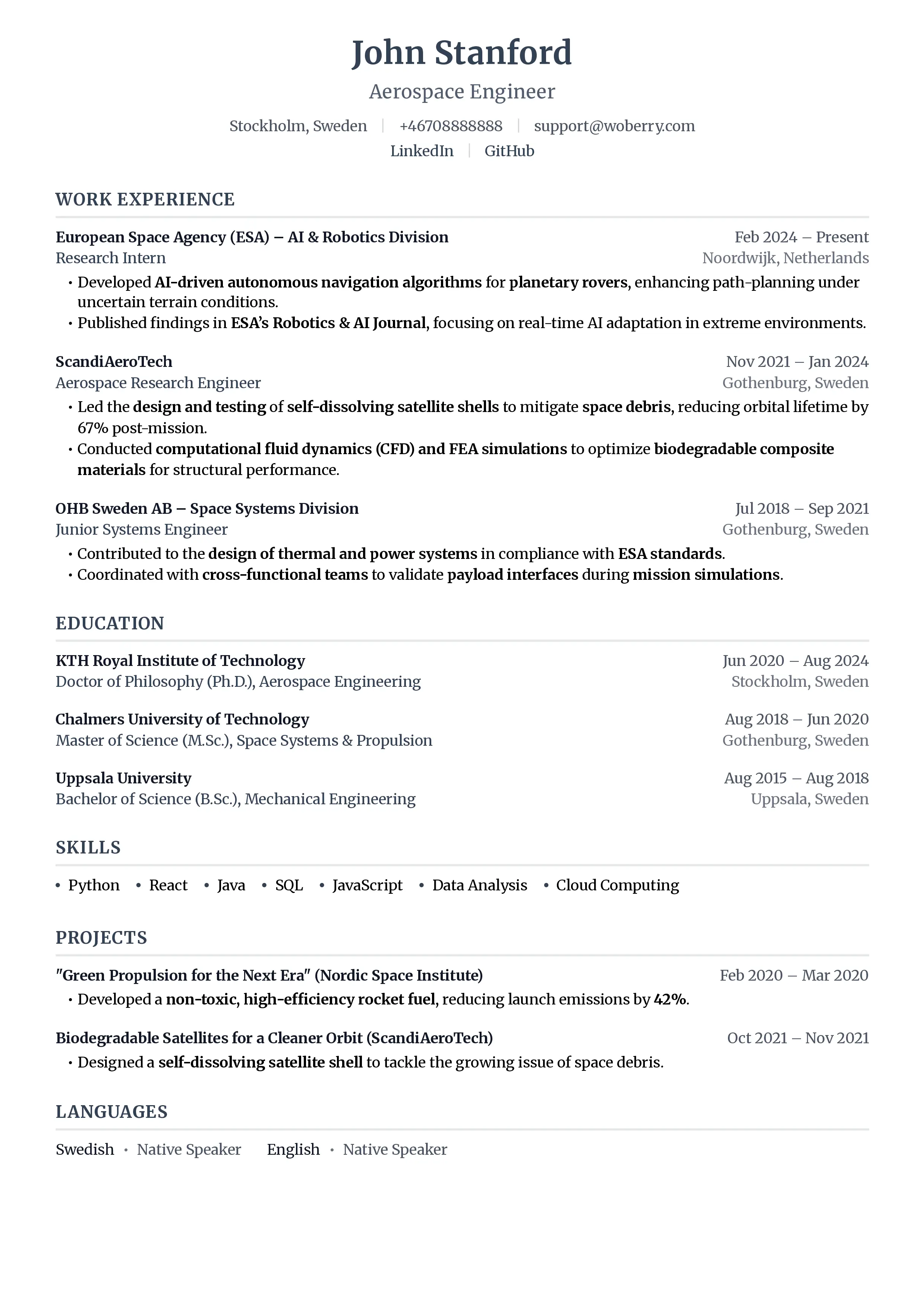
Recruiters expect: Name → Title → Company → Dates. Don't get creative with your layout. Creativity in resume structure creates friction.
The Resume Heat Map Zones
Think of your resume in three zones:
Hot Zone (Top Third): Name, title, summary, current role. This gets 80% of attention. Make every word count.
Warm Zone (Middle Third): Previous roles, key achievements. Gets scanned if the hot zone passes. Use bullets, not paragraphs.
Cold Zone (Bottom Third): Education, skills, certifications. Often skipped entirely. Only include essentials.
Frequently Asked Questions
How long do recruiters spend on resumes?
Recruiters spend an average of 6-7 seconds on an initial resume scan. This is a screening phase to determine if the resume warrants a closer look. Resumes that pass the initial scan receive an additional 60-90 seconds of review.
Where do recruiters look first on a resume?
Recruiters look first at your name and current job title, then your current company and how long you've been there. Eye-tracking studies show 80% of review time is spent on these six elements: name, current title, current company, current start date, previous company, and education.
What makes recruiters reject a resume immediately?
The top instant-rejection triggers are: job title mismatch (applying for a role outside your experience), unexplained large employment gaps visible in the dates section, poor formatting that makes scanning difficult, and obvious spelling errors in the header area.
Should I use a resume summary or objective?
Use a summary only if you can make it specific and quantified (e.g., "Product Manager with 8 years scaling B2B SaaS from seed to Series C"). Skip objectives entirely, as they're generic and recruiters skip them 80% of the time. If you can't write a compelling summary, leave the space blank rather than fill it with fluff.
Do fancy resume templates help or hurt?
Simple templates outperform creative ones. Eye-tracking shows that unusual layouts force recruiters to "learn" your resume structure, which consumes their limited attention. Stick to conventional formats: name centered or left-aligned, clear section headers, reverse chronological order.
The Bottom Line
You can't change how recruiters read resumes. But you can design for their behavior.
Those 6 seconds aren't a limitation to fight against. They're a constraint to design for. Put your strongest signals in the hot zone. Make your structure scannable. Front-load impact in every bullet point.
Your resume will get read in 6 seconds no matter what. The question is whether those 6 seconds lead to "yes, tell me more" or "next."
Want to see how your resume looks to a recruiter's scanning eye? Try ResumeFast to analyze your resume structure and optimize for the 6-second scan.
Your resume is your first impression. Make it count.
Join 50,000+ job seekers using ResumeFast to build ATS-optimized resumes that actually get interviews.
No credit card required. Free forever.
Continue Reading
View all articles
The Complete ATS Resume Guide (2026)
Do Headers and Footers Break ATS Parsing?
Resume Keyword Density: How Often to Repeat Keywords
ATS-Friendly Fonts: Which Fonts Pass Resume Scanners
How to Find Resume Keywords in a Job Description
Why Columns and Tables Break Your Resume in ATS
Build a resume that gets interviews
Ready to build your resume?