
ATS Rejection Rate: The 75% Myth, Explained
Does an ATS reject 75% of resumes? No. See where the figure came from, what recruiters report, what real screening risks remain, and what to do about them.

Raman M.
Software Engineer & Founder of ResumeFast

On this page
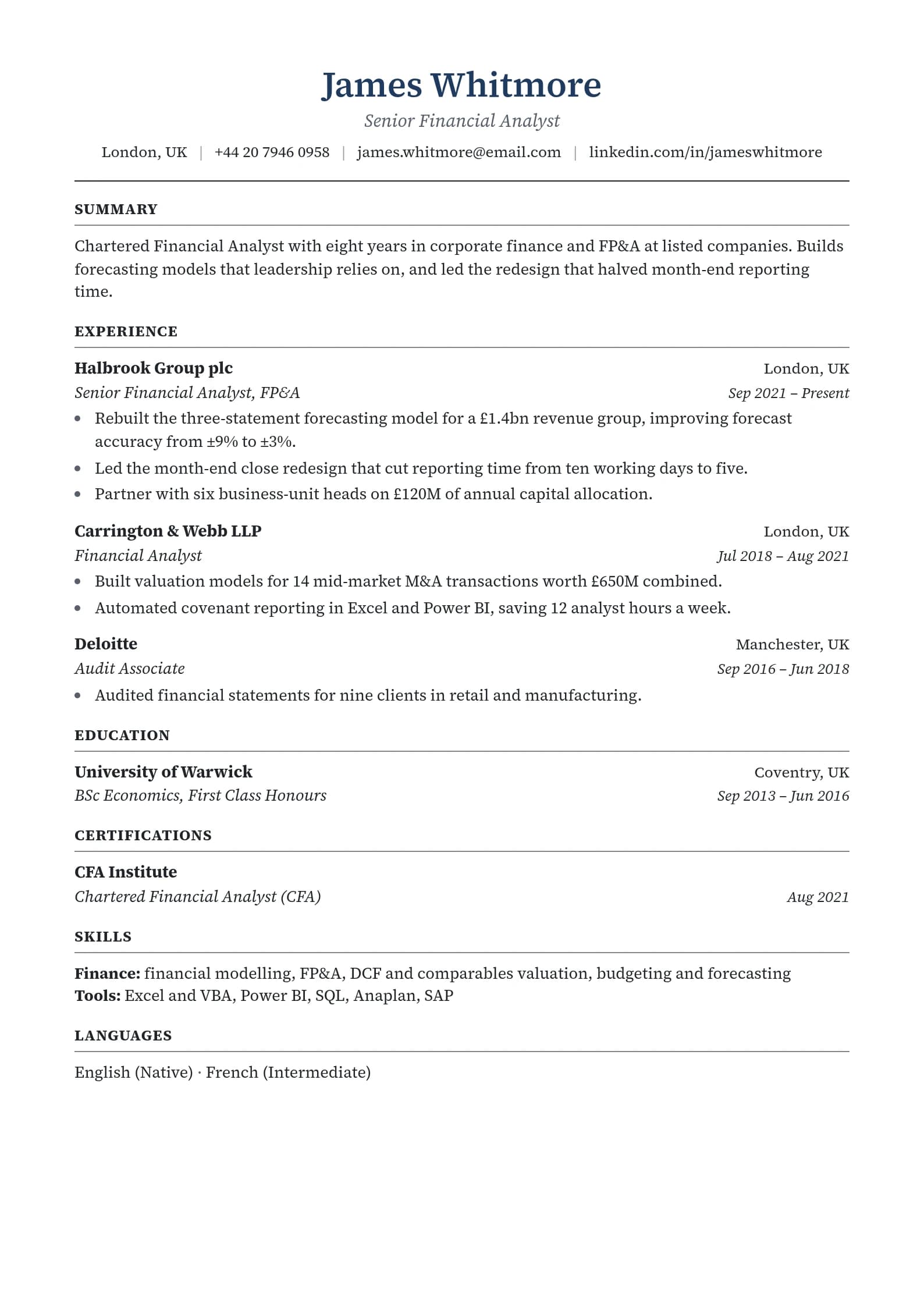
Build a resume that gets interviews
- ATS-optimized templates
- AI-powered writing
- Free to start
No credit card required
No, an applicant tracking system does not reject 75% of resumes before a person sees them. The figure traces to a 2012 article quoting a resume-optimization company, with no published method. Recruiters interviewed since then say their systems mostly sort and search; the bigger obstacles are hard requirements, a rigid filter here and there, and sheer applicant volume.
Where the 75% number came from
The statistic is usually credited to Preptel, a resume-optimization service that no longer operates. It appeared in a 2012 Computerworld article on beating applicant tracking systems, and no sample size or method was ever published. It spread because it is dramatic, it explains silence after an application, and it sells resume services. If a page cites "75%" as fact, check whether it links a source. Most do not.
Correction (October 2026): an earlier version of this page cited a resume analysis we could not substantiate. We removed it and every figure from it.
What recruiters say happens
In Enhancv's survey of 25 US recruiters, also reported by ClearanceJobs, only two said their system was configured to reject candidates on resume content or match score. Where automatic rejection existed, it was tied to hard requirements such as work authorization, security clearance, degrees, certifications or location. Our statistics roundup tabulates this survey. Some employers do configure automatic rejection, so the honest answer is that it varies by employer and by how the system is set up.
Treat these as small, self-reported samples. They are better evidence than a number with no source, and worse evidence than an audit of real hiring pipelines, which does not exist publicly.
What an ATS does with your resume
- Stores and parses. Your file becomes a record with fields for name, jobs, dates and skills. See how an ATS reads your resume.
- Ranks or lets recruiters search. A higher match can put you nearer the top of the list; lower does not delete you.
- Applies knockout questions. "Are you authorized to work in this country?" and "Do you hold this license?" are common. A "no" can end the application automatically, and it has nothing to do with your resume's design.
The risks that are real
The myth is wrong, but screening problems are not imaginary.
- Rigid filters. A Harvard Business School and Accenture study, Hidden Workers: Untapped Talent, found 88% of surveyed employers agreed that qualified candidates are vetted out because they do not match the exact criteria in the job description. Filters on exact job titles or years of experience are the usual cause.
- Search by wording. Recruiters often search the database by skill. If you never wrote the skill the way they typed it, you will not appear. See how to find keywords in a job description.
- Lost information. A layout that scrambles when read as text can drop a phone number or merge two jobs. See columns and tables in ATS and headers and footers.
- Applicant volume. The Enhancv survey reported that entry-level and administrative roles draw several hundred applicants, customer service and remote roles often more than 1,000 within a week, and technical roles in some cases over 2,000. A recruiter cannot read that many resumes closely, so position in the list and timing matter.
- Postings that are not hiring. Some listings are not actively being filled. Our ghost jobs data roundup covers the evidence and its caveats.
Why you may be hearing nothing
If you are applying and getting silence, check these before blaming the software:
- Fit. Are the posting's required skills and years of experience actually on your resume, in its words?
- Timing. Did you apply in the first few days? Several recruiters in the survey said early applications get noticeably more attention.
- Completeness. Unfinished applications and missing required fields never reach review.
- Readability. Does the file read cleanly as plain text? Our ATS score test guide shows the five-minute check.
- Specificity. Generic bullets look the same as everyone else's. Put real results and named tools in context.
What to do with this
- Stop chasing tricks. White text and keyword dumps do not beat a human who copies your resume into a notes field. See the ATS keywords guide.
- Fix the mechanical risks once. A single-column text-based file, standard headings and contact details in the body cover most of it. The complete ATS resume guide has the checklist.
- Mirror the posting for skills you really have. Use the free keyword matcher to see which terms are missing.
- Apply early to roles you fit. Fewer, better-matched applications beat dozens of generic ones.
- Test the file. Run it through the ATS checker or the copy-and-paste test before you submit.
Frequently asked questions
What percentage of resumes are rejected by ATS?
There is no reliable public figure. The popular 75% number came from a 2012 article quoting a defunct resume-optimization company and has no published method. Rejection rates vary by employer and by how each system is configured.
Does an ATS automatically reject resumes?
Usually not on resume content. In an Enhancv survey of 25 US recruiters, two said their system rejected on content or match score. Automatic rejection was more often tied to hard requirements such as work authorization. Some employers do configure filters, so it is not zero.
Can a qualified candidate be filtered out?
Yes. A Harvard Business School and Accenture study found 88% of surveyed employers agreed that qualified candidates are screened out for not matching exact criteria. The usual causes are exact-title or years-of-experience filters and wording that does not match the posting.
Does a low match score mean my resume is never seen?
No. A score or rank mainly changes the order recruiters review candidates. In very large applicant pools a low position can still mean it is never reached, which is why timing and fit matter.
Should I still optimize my resume for ATS?
Yes, for readability and findability rather than fear. A clean single-column file with standard headings and the posting's real terms helps both software and the person who reads it next.
Your resume is your first impression. Make it count.
Build an ATS-optimized resume that gets read, with AI help on every section.
No credit card required. Your first PDF or Word download is free; after that, Pro is $6.95 a month.
Continue Reading
View all articles
The Complete ATS Resume Guide (2026)

Is Jobscan Free? Free Scans, Pricing and the Trial (2026)

Two Weeks Notice Letter: 6 Samples You Can Copy

Ghost Jobs in 2026: Statistics, Laws and How to Spot One

How to Pass an AI Job Interview in 2026 (and Your Rights)

How to Spot a Fake Job Posting: 2026 Scam Red Flags
Build a resume that gets interviews
Ready to build your resume?