
9 Resume Mistakes New Grads Make (and How to Fix Them)
The 9 resume mistakes new graduates make most often, ranked by severity, with a before-and-after fix for each so your first resume gets read and interviews.

Raman M.
Software Engineer & Founder of ResumeFast

On this page
Build a resume that gets interviews
- ATS-optimized templates
- AI-powered writing
- Free to start
No credit card required
You graduated. You polished your resume. You applied to 30 jobs in a week. And then... nothing. No callbacks, no interviews, no rejection emails. Just silence.
The frustrating part? Your resume might be solid in substance but broken in execution. Recruiters spent an average of 7.4 seconds on an initial resume scan in The Ladders' eye-tracking study, and certain mistakes trigger an instant "no" before they even read your qualifications.
Here are nine mistakes new grads make, ranked by how much damage they actually do, with before/after fixes for each one.
The 9 Mistakes (Ranked by Severity)
1. Using a Resume Objective Instead of a Summary
Severity: Major Red Flag
Resume objectives ("Seeking an entry-level position where I can grow my skills...") tell the recruiter what you want. They don't care. They want to know what you bring to the table.
Before:
Objective: Seeking a challenging entry-level marketing position where I can utilize my communication skills and grow professionally.
After:
Marketing graduate with hands-on campaign experience from two internships, skilled in Google Analytics, HubSpot, and social media strategy. Drove 32% engagement increase during summer internship at Acme Corp.
A resume summary is a 2-3 sentence pitch that highlights your strongest qualifications. Every word should answer the question: "Why should we interview this person?" If your opening line starts with "seeking" or "looking for," rewrite it today.
2. Listing Duties Instead of Achievements
Severity: Major Red Flag
This is the single most common mistake across all experience levels, and new grads fall into it constantly. Your bullet points describe what you were supposed to do, not what you actually accomplished. Recruiters have read "responsible for managing social media" a thousand times. It tells them nothing about your ability.
Before:
Responsible for writing blog posts and managing the company's social media presence
After:
Wrote 25+ SEO-optimized blog posts that ranked on page 1 for 8 target keywords, driving 15K monthly organic visitors
For a deep dive on this transformation, read our guide on accomplishments vs. responsibilities. It's the single biggest improvement most new grads can make.
3. Including High School Information When You Have a Degree
Severity: Minor Ding
Once you have a college degree, your high school diploma, GPA, and extracurriculars are irrelevant. Listing them takes up space that could go toward internships, projects, or skills that actually matter for the job.
The exception: If you're applying locally and the high school connection matters (small town, alumni network), you can keep the school name. But remove the GPA, honors, and activities.
Before:
Springfield High School, Class of 2022, GPA 3.8, National Honor Society, Varsity Soccer Captain
After:
[Remove entirely and use the space for a relevant project or skill]
4. Using Fancy or Creative Formatting That Breaks ATS
Severity: Instant Reject
This is the most damaging mistake on the list because you'll never know it happened. Creative templates with columns, text boxes, icons, headers in images, and custom fonts look great on screen. They also get mangled by the applicant tracking systems most large employers use.
If the ATS can't parse your resume, the recruiter sees garbled titles, dates and skills, or misses you in a keyword search. (You may have read that 75% of resumes are rejected by ATS. That figure is a myth with no published source, but parsing problems are real.)
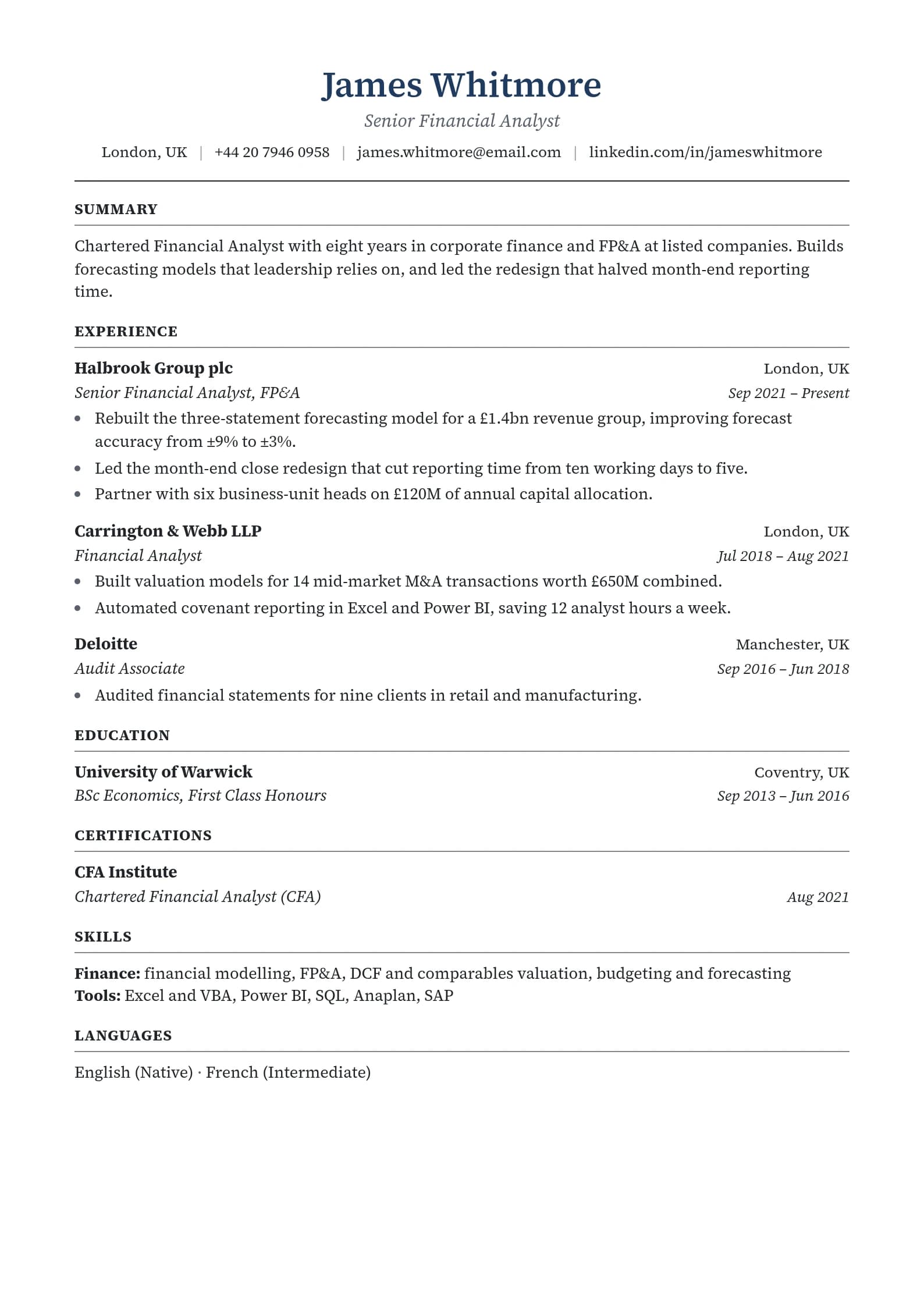
Stick to a clean, single-column layout with standard fonts and clear section headings. For a complete breakdown, see our resume formatting guide.
Before:
Two-column layout with a sidebar, skill bars, icons for contact info, and a headshot
After:
Single-column layout, standard headings (Work Experience, Education, Skills), no graphics, PDF or DOCX format
5. No Quantified Results
Severity: Major Red Flag
Numbers are the fastest way to make a recruiter pause and actually read your bullet point. Without them, every achievement sounds vague and unverifiable.
You might think "I was an intern, I don't have numbers." You do. Think about how many people you worked with, how many projects you completed, what percentage something improved by, how much time you saved, or how many users your project served.
Before:
Improved the onboarding process for new team members
After:
Redesigned the onboarding checklist for a 12-person team, reducing new hire ramp-up time from 3 weeks to 10 days
Every resume bullet should ideally contain at least one number. Use our bullet point formula to make this second nature.
6. Generic Skills Section
Severity: Minor Ding
"Microsoft Office, teamwork, communication, problem-solving, leadership." This skills section appears on a huge share of new grad resumes, and it tells the recruiter nothing useful.
Your skills section should be specific, relevant, and keyword-rich for the role you're targeting. ATS systems scan for exact skill matches, and generic soft skills rarely appear in job postings.
Before:
Skills: Microsoft Office, Communication, Teamwork, Leadership, Problem Solving, Time Management
After:
Technical Skills: Python, SQL, Tableau, Google Analytics, A/B Testing, HubSpot CRM Certifications: Google Analytics Certified, HubSpot Inbound Marketing
7. Typos and Grammatical Errors
Severity: Instant Reject
This one seems obvious, and yet resume typos remain shockingly common. A single misspelling signals carelessness, and for roles that involve writing, communication, or attention to detail (which is most roles), it's a dealbreaker.
Spellcheck catches the easy ones. It won't catch "manger" instead of "manager," "lead" instead of "led," or inconsistent tense throughout your bullets. Read your resume out loud. Then have someone else read it. Fresh eyes catch what yours skip over.
For a systematic approach, use our resume self-review checklist before submitting any application.
8. Including "References Available Upon Request"
Severity: Minor Ding
This line was standard in the 1990s. In 2026, it's wasted space. Every recruiter assumes you have references. If they want them, they'll ask. This phrase adds zero value and uses a line that could contain an actual skill or accomplishment.
Before:
References available upon request
After:
[Delete it. Use the line for a relevant certification, project link, or additional skill.]
9. Two or More Pages for an Entry-Level Resume
Severity: Major Red Flag
If you're a new graduate with 0-3 years of experience, your resume should be one page. Period. A two-page resume from someone with one internship and a degree tells the recruiter you can't prioritize information, and prioritization is a skill they're evaluating.
One strong page beats two mediocre pages every time. If you're struggling to cut content, ask yourself: "Does this bullet help me get this specific job?" If the answer is no, remove it.
For the full breakdown on when (and whether) to go beyond one page, read The One-Page Resume Myth.
The Severity Scale: Quick Reference
| Mistake | Severity | Why It Hurts |
|---|---|---|
| ATS-breaking formatting | Instant Reject | Resume never reaches a human |
| Typos and grammar errors | Instant Reject | Signals carelessness immediately |
| Objective instead of summary | Major Red Flag | Shows you're focused on yourself, not the role |
| Duties instead of achievements | Major Red Flag | Makes you indistinguishable from every other applicant |
| No quantified results | Major Red Flag | Achievements sound vague and unverifiable |
| Two+ pages at entry level | Major Red Flag | Signals inability to prioritize |
| High school on resume | Minor Ding | Wastes space, looks inexperienced |
| Generic skills section | Minor Ding | Missed opportunity for ATS keyword matching |
| "References available" | Minor Ding | Dated and wastes a line |
Focus on eliminating the "Instant Reject" and "Major Red Flag" items first. The minor dings won't cost you an interview on their own, but fixing them shows polish and attention to detail.
Frequently Asked Questions
How many of these mistakes will actually get my resume rejected?
The two "Instant Reject" items, ATS-breaking formatting and typos, can each disqualify you on their own. The "Major Red Flag" mistakes are cumulative. One might not sink you, but two or three together will push your resume to the bottom of the pile. Fix the instant rejects first, then work through the red flags.
Is it okay to use a resume template I found online?
It depends on the template. Simple, clean templates with standard sections and single-column layouts are perfectly fine. Avoid templates with graphics, icons, multiple columns, or creative layouts. When in doubt, test your resume through an ATS parser before submitting. Our ATS guide explains exactly what to look for.
Should new grads include a GPA on their resume?
Include it if it's 3.5 or above. Below that, leave it off. No GPA listed is always better than a mediocre one. If a specific job posting asks for a minimum GPA, include it regardless. And once you have 1-2 years of work experience, remove the GPA entirely.
What if I don't have any work experience at all?
Focus on projects, volunteer work, and coursework. A capstone project with measurable outcomes ("Built a recommendation engine that improved prediction accuracy by 18% on a 50K-record dataset") is just as compelling as an internship bullet. The same rules apply: use action verbs, quantify results, and focus on impact.
The Bottom Line
Every mistake on this list is fixable in under 30 minutes. You don't need to start over. You need to audit what you have against this checklist and make targeted edits. The difference between a resume that gets interviews and one that disappears into the void often comes down to these nine details.
For a complete walkthrough on building your new grad resume from scratch, check out our New Grad Resume Guide for 2026. And if you've recently completed an internship, learn how to turn that experience into a full-time offer.
For every section in order, see the resume writing guide. And for aligning your online presence with your resume, don't miss our guide on LinkedIn and resume alignment for new grads.
Your resume is your first impression. Make it count.
Build an ATS-optimized resume that gets read, with AI help on every section.
No credit card required. Your first PDF or Word download is free; after that, Pro is $6.95 a month.
Continue Reading
View all articles
Resume for Freshers: Format, Skills and Examples (2026)

How to Turn an Internship Into a Full-Time Job (2026)

New Grad Resume Guide: Get Hired Without Experience (2026)

How to Write a Resume With No Work Experience (Examples)

Resume Projects Section: How to List Projects (Examples)

How to List Education on a Resume (With Examples)
Build a resume that gets interviews
Ready to build your resume?