ATS in 2026: Skills-Based Filtering Changes Everything
60% of ATS platforms now use skills-based filtering instead of keyword matching. Learn how ATS systems changed in 2026 and what it means for your resume optimization strategy.

Raman M.
Software Engineer & Career Coach
On this page
Build a resume that gets interviews
- ATS-optimized templates
- AI-powered writing
- Free to start
No credit card required
If you're still keyword-stuffing your resume like it's 2023, you're optimizing for an ATS that no longer exists. The screening technology that companies use today looks fundamentally different from what it looked like even 18 months ago. And if your strategy hasn't changed, your applications are landing in the digital void.
Here's what happened: 60% of ATS platforms now use skills-based filtering instead of simple keyword matching, and 93% of recruiters report increasing their use of AI in the screening process. The old playbook is dead.
What Actually Changed
For years, applicant tracking systems worked like glorified search engines. They scanned your resume for exact keywords from the job posting. If the listing said "project management," your resume needed those exact words. Misspell it, use a synonym, or phrase it differently? Tough luck.
That era is over.
Modern ATS platforms have shifted to skills taxonomy matching. Instead of looking for the string "project management," the system now understands that "project management" relates to a taxonomy of skills that includes planning, stakeholder coordination, timeline management, and risk assessment. It evaluates whether your resume demonstrates those underlying competencies, not just whether you typed the right words.
This shift happened for a practical reason. Recruiters were drowning in applications from candidates who had learned to game the old system. A 2025 report from the Society for Human Resource Management found that 43% of resumes contained artificially inflated keyword density, making it nearly impossible for recruiters to separate genuine qualifications from gaming.
Old ATS vs. New ATS: A Direct Comparison
Understanding the difference changes how you approach every application.
The old model (pre-2025):
- Exact keyword matching against the job description
- Keyword frequency and density mattered
- Formatting issues could break parsing entirely
- Synonyms were invisible to the system
The new model (2026):
- Skills taxonomy matching using AI classification
- Context and evidence around skills are evaluated
- Semantic understanding catches synonyms and related terms
- Keyword stuffing is actively flagged as manipulation
- Skill proficiency signals (years, certifications, outcomes) factor into ranking
The critical takeaway: the new systems don't just check whether you have a skill. They evaluate how well you demonstrate it.
What This Means for Your Resume
Keyword Stuffing Is Now a Penalty
This is the biggest shift. In the old world, repeating "data analysis" seven times across your resume was a viable (if ugly) strategy. In 2026, that pattern triggers manipulation flags in most major ATS platforms, including Workday, Greenhouse, and Lever.
When an ATS flags your resume for keyword manipulation, it gets deprioritized or filtered out entirely. You're not just wasting space. You're actively hurting your chances.
Your Skills Section Carries More Weight
Skills sections used to be a nice-to-have. Now they're one of the first things the ATS evaluates. The system maps your listed skills against its internal taxonomy and uses that as a primary filter before even looking at your work experience.
This means a well-structured skills section with relevant, honest skill listings is no longer optional. It's your first gate.
Context Around Skills Is Critical
Listing "Python" in your skills section gets you past the first filter. But what separates you from the other 200 applicants who also listed Python is how you demonstrate proficiency.
Before (keyword-stuffed, no context):
Experienced in Python, Python scripting, Python automation, Python data analysis. Used Python extensively for Python-based solutions.
After (context-rich skill demonstration):
Built Python ETL pipeline processing 2M+ records daily, reducing data preparation time by 65%. Developed automated reporting suite using pandas and matplotlib that eliminated 12 hours of weekly manual work.
The second version mentions Python once but demonstrates far more proficiency. Modern ATS systems recognize this, and so do the recruiters who see your resume after it passes screening.
How to Optimize for Modern ATS
1. Match Skills to the Job's Taxonomy, Not Its Exact Words
Read the job description for the underlying skill categories, not just the surface keywords. If a posting asks for "cross-functional leadership," don't just parrot that phrase. Think about what it actually means: stakeholder management, team coordination, communication across departments. Then show evidence of those abilities.
2. Show Proficiency with Evidence
For every major skill, your resume should answer: "How good are you, and how do I know?" Certifications, years of experience, quantified outcomes, and project scale all serve as proficiency signals.
"Advanced SQL (6 years): Optimized database queries reducing average response time from 3.2s to 0.4s across 15 production tables"
That single bullet tells the ATS and the recruiter everything they need to know about your SQL proficiency.
3. Use Standard Section Headings
This hasn't changed, and it's still important. Use "Work Experience," "Education," "Skills," and "Certifications." Creative headings like "My Journey" or "What I Bring" confuse parsers. Keep it clean.
4. Keep Formatting Simple
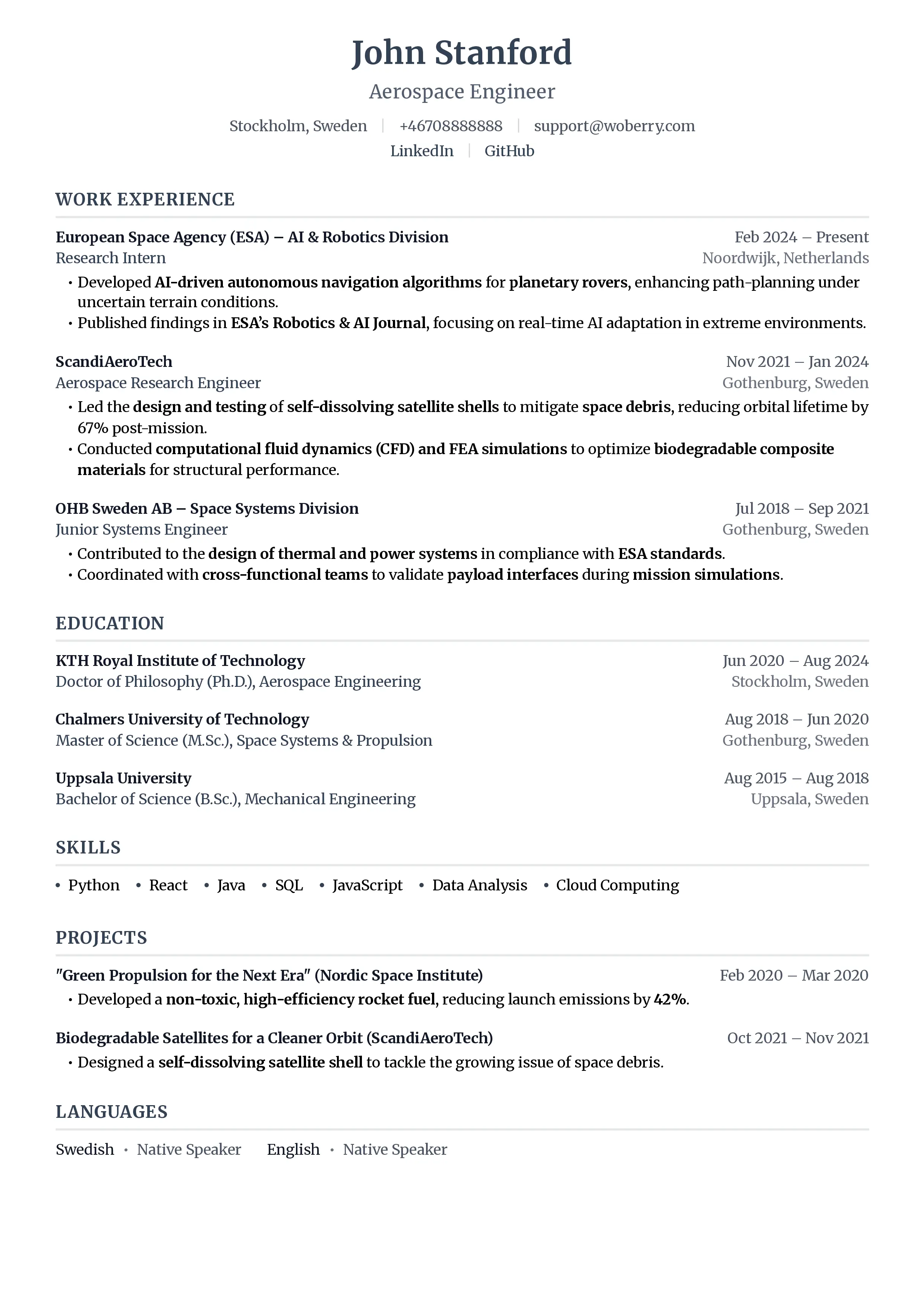
ATS parsing has improved dramatically, but overly complex layouts still cause issues. Stick with a single-column layout, standard fonts, and avoid tables, text boxes, or graphics embedded in your resume file. ResumeFast generates ATS-optimized formatting automatically, so you don't have to worry about parser compatibility.
The Bigger Picture
This shift toward skills-based filtering is part of a broader trend: skills-based hiring. Companies are moving away from degree requirements and job title matching toward evaluating what candidates can actually do. LinkedIn reported that skills-based job postings increased by 40% between 2024 and 2026.
For job seekers, this is good news. It means your actual abilities matter more than whether you used the exact right buzzwords. But it also means lazy optimization no longer works. You need to put real thought into how you present your skills and experience.
If you want a deeper understanding of how ATS technology works under the hood, check out our complete guide to how ATS systems work. And for a broader view of what's changing in the job market this year, our Spring 2026 job search strategy guide covers the full landscape.
For more on how the skills-based hiring movement affects your resume specifically, read our guide on optimizing your resume for skills-based hiring.
Frequently Asked Questions
Do I still need to include keywords from the job description?
Yes, but the approach has changed. You should still align your resume language with the job posting. The difference is that you're matching skill categories and competencies, not copying exact phrases. If the job asks for "stakeholder engagement," you don't need that exact phrase. Describing how you "presented quarterly results to C-suite executives and department leads" demonstrates the same skill with real evidence.
Can an ATS tell if I'm exaggerating my skills?
Modern systems use proficiency signal analysis to evaluate skill claims. If you list "Expert in Machine Learning" but your work experience only shows basic data analysis, the mismatch lowers your ranking. Consistency between your skills section and your experience bullets matters more than it used to.
Should I still use a one-page resume?
Page length is less important than content quality. That said, most ATS platforms process multi-page documents without issues. The real question is whether every line on your resume earns its space. If you have 15 years of relevant experience, two pages are fine. If you're padding to fill a second page, cut it back to one.
Your resume is your first impression. Make it count.
Join 50,000+ job seekers using ResumeFast to build ATS-optimized resumes that actually get interviews.
No credit card required. Free forever.
Continue Reading
View all articles
Cover Letter vs Resume: Differences and When You Need Both
The Complete ATS Resume Guide (2026)
Resume Writing Guide: How to Write a Resume in 2026
Job Hopping in 2026: How Short Tenures Actually Read on Your Resume

New Grad Resume Guide: How to Get Hired in 2026 Without Experience
Defense and Cybersecurity Resume Guide: How to Land a Job in the Fastest-Growing Sectors of 2026
Build a resume that gets interviews
Ready to build your resume?