Transferable Skills: Find and Showcase Yours
Discover skills you already have that employers want. Learn to identify, articulate, and showcase transferable skills for any industry.

Raman M.
Software Engineer & Career Coach
On this page
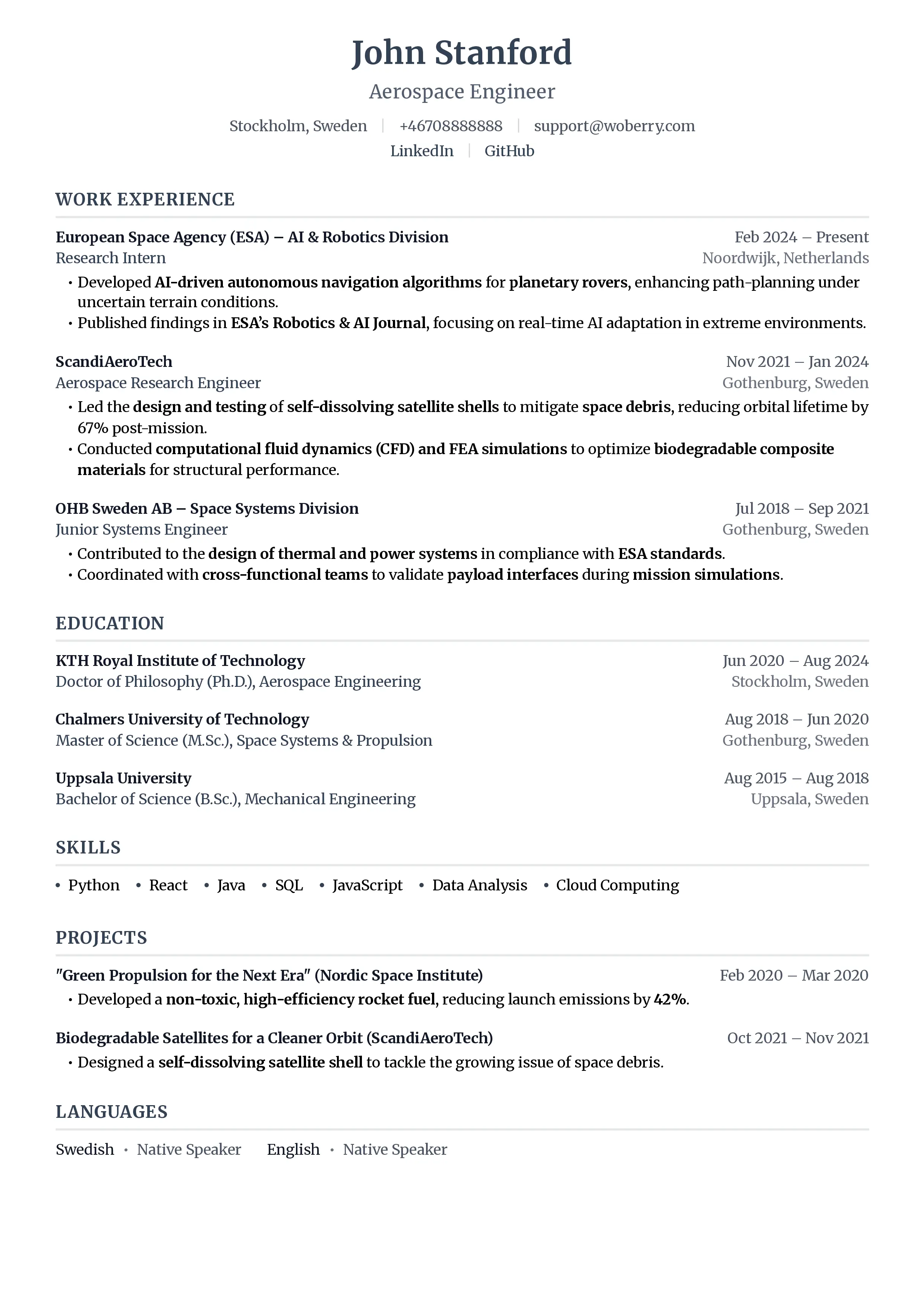
Build a resume that gets interviews
- ATS-optimized templates
- AI-powered writing
- Free to start
No credit card required
You're convinced you have nothing to offer a new industry. Your skills feel too specific, too niche, too embedded in your current field to matter anywhere else.
Here's the truth: you already have dozens of skills that employers in every industry want. You just can't see them because they've become invisible to you.
These are transferable skills, and learning to identify and articulate them is the single most important thing you can do for your career flexibility.
What Are Transferable Skills?
Transferable skills are capabilities you've developed that apply across multiple jobs, industries, and contexts. Unlike technical skills that are specific to a particular role or software, transferable skills work anywhere.
A nurse's ability to remain calm under pressure works in healthcare, sales, customer service, and project management. A teacher's skill at explaining complex concepts works in corporate training, technical writing, UX design, and consulting.
Transferable skills fall into several categories:
| Category | Examples |
|---|---|
| Communication | Writing, presenting, persuading, active listening |
| Leadership | Team management, mentoring, delegation, motivation |
| Problem-Solving | Analysis, critical thinking, troubleshooting, creativity |
| Organization | Project management, prioritization, time management |
| Interpersonal | Negotiation, conflict resolution, collaboration, empathy |
| Technical | Data analysis, software proficiency, research |
Why Transferable Skills Matter More Than Ever
The job market has fundamentally changed. The Bureau of Labor Statistics reports that workers now change jobs 12 times on average during their careers. The days of linear career paths in single industries are over.
Three shifts make transferable skills critical:
- Automation threat: Technical skills become obsolete. Problem-solving and creativity don't.
- Remote work revolution: Collaboration and communication skills matter more than physical proximity.
- Career fluidity: Most workers will change not just jobs but industries multiple times.
Employers increasingly hire for potential, not just experience. When a job posting says "3-5 years experience," they're really asking: "Can you do this work effectively?" Transferable skills prove you can.
The Transferable Skills Inventory Exercise
Let's identify your transferable skills systematically. This exercise takes 30-45 minutes and reveals skills you've forgotten you have.
Step 1: List Your Accomplishments
Write down 10-15 things you've accomplished in your career. Don't worry about whether they seem relevant to your target field. Focus on things you're proud of.
Examples:
- Trained a new team member who became the top performer
- Reduced customer complaints by 40%
- Led a project that came in under budget
- Created a system that saved 10 hours per week
- Resolved a conflict between two departments
Step 2: Identify the Skills Behind Each
For each accomplishment, ask: "What skills did I use to achieve this?"
Example breakdown:
"Trained a new team member who became the top performer"
- Teaching and instruction
- Patience and empathy
- Performance assessment
- Feedback delivery
- Knowledge organization
- Relationship building
"Reduced customer complaints by 40%"
- Problem identification
- Data analysis
- Process improvement
- Customer empathy
- Communication
- Implementation and follow-through
Step 3: Look for Patterns
Review your skill list. Which skills appear multiple times? These are your strongest transferable skills since you've developed and demonstrated them repeatedly.
Step 4: Map to Universal Categories
Organize your skills into the categories that matter to employers:
Communication Skills:
- Written communication
- Verbal presentations
- Active listening
- Explaining complex information
- Persuasion and influence
Leadership Skills:
- Team management
- Mentoring and coaching
- Decision making
- Delegation
- Motivation
Analytical Skills:
- Data interpretation
- Problem diagnosis
- Research
- Critical thinking
- Process optimization
Interpersonal Skills:
- Conflict resolution
- Collaboration
- Customer service
- Negotiation
- Relationship building
Organizational Skills:
- Project coordination
- Time management
- Priority setting
- Resource allocation
- Process documentation
Transferable Skills by Industry
Every industry develops certain transferable skills more than others. Here's what you bring from common fields:
From Teaching and Education
Teachers develop exceptional skills that corporate America desperately needs:
| Teaching Skill | Transferable Version |
|---|---|
| Lesson planning | Program design and development |
| Classroom management | Group facilitation and stakeholder management |
| Differentiated instruction | Customized solutions and personalization |
| Student assessment | Performance evaluation and feedback |
| Parent communication | Client relationship management |
| Curriculum alignment | Strategic planning and goal alignment |
Industries that value teaching skills: Corporate training, instructional design, UX research, product management, consulting, HR
From Healthcare
Clinical professionals develop skills under pressure that translate powerfully:
| Healthcare Skill | Transferable Version |
|---|---|
| Patient assessment | Needs analysis and diagnosis |
| Treatment planning | Solution development |
| Crisis management | High-stakes decision making |
| Documentation | Compliance and detailed reporting |
| Family communication | Stakeholder management |
| Care coordination | Cross-functional collaboration |
Industries that value healthcare skills: Medical sales, healthcare IT, pharma, insurance, consulting, quality assurance
From Retail and Hospitality
Customer-facing roles build skills that many industries undervalue:
| Service Skill | Transferable Version |
|---|---|
| Customer interaction | Client relationship management |
| Complaint handling | Conflict resolution and problem-solving |
| Sales and upselling | Persuasion and value communication |
| Inventory management | Operations and logistics |
| Team scheduling | Resource planning |
| Visual merchandising | Marketing and presentation |
Industries that value service skills: Sales, account management, operations, HR, marketing, event planning
From Military
Military experience develops skills that civilians often struggle to recognize:
| Military Skill | Civilian Translation |
|---|---|
| Mission planning | Strategic planning and project management |
| Personnel management | Team leadership and development |
| Logistics | Operations and supply chain |
| Security protocols | Risk management and compliance |
| After-action reviews | Performance analysis and improvement |
| Cross-cultural operations | Global collaboration |
Industries that value military skills: Operations, logistics, security, project management, consulting, government contracting
From Finance and Accounting
Number-crunchers have skills that extend far beyond spreadsheets:
| Finance Skill | Transferable Version |
|---|---|
| Financial analysis | Data-driven decision making |
| Forecasting | Predictive modeling and planning |
| Audit and compliance | Quality assurance and risk management |
| Budget management | Resource allocation |
| Client reporting | Stakeholder communication |
| Regulatory knowledge | Compliance expertise |
Industries that value finance skills: Data analytics, operations, consulting, business intelligence, product management
How to Write Transferable Skills on Your Resume
Identifying skills is half the battle. Articulating them effectively is the other half.
Use Universal Language
Avoid jargon from your current industry. Translate into language any hiring manager understands.
Before (teacher jargon):
Implemented IEP modifications and managed 504 accommodations for diverse learners
After (universal language):
Designed customized programs for individuals with varying needs, ensuring compliance with regulatory requirements while achieving measurable outcomes
Before (healthcare jargon):
Provided bedside nursing care including medication administration and vital signs monitoring
After (universal language):
Delivered high-stakes services requiring attention to detail, protocol adherence, and real-time decision making under pressure
Prove Skills with Results
Don't just list skills. Demonstrate them with achievements.
Weak:
Strong communication skills
Strong:
Communicated complex technical information to non-technical stakeholders, resulting in 95% project approval rate on first presentation
Weak:
Experienced in project management
Strong:
Managed 15+ concurrent projects with budgets up to $500K, completing 90% on time and 85% under budget
Match Job Posting Language
Study job postings in your target field. Note the exact words they use for skills you have.
Job posting says: "Strong analytical and problem-solving skills"
You write: "Applied analytical and problem-solving skills to reduce customer complaints by 40% through data-driven process improvements"
For more on tailoring your resume to specific jobs, see our guide to tailoring your resume.
The Skills Section Format
A well-structured skills section helps ATS systems and human readers quickly identify your qualifications.
Grouped by Category
CORE COMPETENCIES
━━━━━━━━━━━━━━━━━━━━━━━━━━━━━━━━━━━━━━━━━━━━━━━━
Leadership:     Team Management | Mentoring | Decision Making
Communication:  Presentations | Technical Writing | Stakeholder Updates
Analysis:       Data Interpretation | Problem Diagnosis | Process Improvement
Technical:      Excel (Advanced) | SQL (Intermediate) | Salesforce
By Relevance to Target Role
SKILLS & QUALIFICATIONS
━━━━━━━━━━━━━━━━━━━━━━━━━━━━━━━━━━━━━━━━━━━━━━━━
Primary: Project Management | Cross-functional Leadership | Budget Oversight
Supporting: Data Analysis | Stakeholder Communication | Risk Assessment
Tools: Microsoft Project | Asana | Jira | Advanced Excel
With Proficiency Levels
TECHNICAL SKILLS
━━━━━━━━━━━━━━━━━━━━━━━━━━━━━━━━━━━━━━━━━━━━━━━━
Expert:        Customer Relationship Management | Team Leadership
Advanced:      Data Analysis | Process Improvement | Training Development
Proficient:    SQL | Tableau | Project Management Software
Common Mistakes When Presenting Transferable Skills
Mistake 1: Being Too Generic
Saying "good communication skills" means nothing. Everyone claims that.
Fix: Specify what kind of communication. Written? Verbal? Technical explanations? Persuasive presentations? And prove it with an example.
Mistake 2: Undervaluing Soft Skills
Technical skills get attention, but soft skills often matter more. Don't relegate leadership, communication, and problem-solving to an afterthought.
Fix: Lead with transferable skills that differentiate you, especially if your technical skills don't match the job posting.
Mistake 3: Failing to Translate
Using industry jargon from your current field makes your skills invisible to new industries.
Fix: Ask someone outside your industry to read your resume. If they don't understand what you did, rewrite it.
Mistake 4: Not Providing Evidence
Listing skills without proof raises skepticism. Anyone can claim to have any skill.
Fix: Every skill claim should connect to a specific achievement or example. "Skilled in project management" becomes "Managed 12 projects averaging $250K budgets with 95% on-time delivery."
How to Develop More Transferable Skills
If your inventory reveals gaps, you can build transferable skills intentionally:
Through Current Work
- Volunteer for cross-functional projects
- Mentor newer team members
- Take on presentations or training responsibilities
- Lead process improvement initiatives
- Request involvement in strategy discussions
Through Education
- Take courses in high-demand areas (data analysis, project management)
- Earn certifications that demonstrate new competencies
- Attend workshops and industry conferences
Through Side Projects
- Volunteer for organizations that need professional skills
- Take on freelance work in your target area
- Start a portfolio project that demonstrates capability
Through Deliberate Practice
- Seek feedback on your communication and presentations
- Track your analytical and problem-solving approaches
- Document your leadership decisions and outcomes
Transferable Skills in Interviews
Identifying and writing transferable skills is preparation for the real test: explaining them in interviews.
The STAR Method
Structure your examples using Situation, Task, Action, Result:
Question: "Tell me about your leadership experience."
Answer: "In my previous role as a floor nurse (Situation), I was asked to onboard a struggling new hire who was at risk of termination (Task). I created a structured mentorship plan with daily check-ins, hands-on coaching during procedures, and gradual responsibility increases (Action). Within three months, she became one of our highest-performing nurses and was later selected to mentor others herself (Result)."
The Bridge Statement
Connect your experience directly to the job:
"My experience training struggling employees as a nurse directly applies to this training coordinator role. In both cases, success requires diagnosing the gap between current and desired performance, creating a structured development plan, providing hands-on coaching, and measuring improvement over time."
Frequently Asked Questions
What are the most valuable transferable skills?
The skills most valued across industries are communication (written and verbal), problem-solving, leadership, adaptability, and data literacy. These appear in virtually every "top skills" survey across industries and consistently rank above technical skills.
How many transferable skills should I list on my resume?
Focus on 8-12 skills total, with emphasis on those most relevant to your target role. Quality beats quantity. It's better to demonstrate 5 skills with concrete examples than list 20 without evidence.
Can soft skills be transferable skills?
Soft skills are among the most transferable skills. Leadership, communication, emotional intelligence, and collaboration work in any industry. The challenge is proving them with specific examples rather than just claiming them.
How do I know which skills transfer to my target industry?
Study job postings in your target field. List the skills they require. Compare against your transferable skills inventory. The overlap shows what to emphasize. Gaps show what to develop.
What if I don't have technical skills for my target field?
Lead with transferable skills while building technical ones. Many career changers successfully transition by emphasizing problem-solving, communication, and learning agility while completing certifications or taking courses in technical areas.
Key Takeaways
-
You have more transferable skills than you realize. Take time to systematically identify them through the inventory exercise.
-
Every industry develops valuable transferable skills. Teaching, healthcare, retail, military, and finance all build capabilities that other industries need.
-
Translation is essential. Remove industry jargon and present skills in universal language that any hiring manager understands.
-
Evidence beats claims. Don't just list skills. Prove them with specific achievements and results.
-
Soft skills are your advantage. Technical skills can be learned quickly. Leadership, communication, and problem-solving take years to develop.
Your transferable skills are your career insurance policy. They protect you from automation, industry disruption, and changing interests. The better you understand and articulate them, the more career options you'll have.
Ready to showcase your transferable skills? Try ResumeFast's resume builder to create a career change resume that highlights the skills that matter most to your target industry.
Your resume is your first impression. Make it count.
Join 50,000+ job seekers using ResumeFast to build ATS-optimized resumes that actually get interviews.
No credit card required. Free forever.
Continue Reading
View all articles
How to List Freelance Work on Your Resume (Without Looking Scattered)
Resume Projects Section: How to Showcase Side Projects That Impress Employers
Career Break Resume Guide for 2026
Skills-Based Resume: The Format Winning in 2026
Career Change Resume: The Complete Guide for 2026
Career Change Resume Objective: 15+ Templates
Build a resume that gets interviews
Ready to build your resume?