Resume Over 50: Beating Age Discrimination
Age discrimination in hiring is real but not insurmountable. Here's how to position your resume and job search to compete regardless of age.

Raman M.
Software Engineer & Career Coach
On this page
Build a resume that gets interviews
- ATS-optimized templates
- AI-powered writing
- Free to start
No credit card required
Let's be direct: age discrimination in hiring exists.
Research consistently shows that older workers receive fewer interview callbacks than younger applicants with identical qualifications. A landmark study sent 40,000 fake resumes to real job openings and found that applicants over 50 received 27-35% fewer callbacks than applicants under 30.
This is illegal but difficult to prove. And knowing it's illegal doesn't help you get hired.
What does help is understanding how age bias manifests and strategically positioning yourself to compete despite it. You have advantages younger candidates lack. The challenge is presenting them effectively while minimizing bias triggers.
How Age Bias Shows Up in Hiring
Understanding the bias helps you counter it.
What Hiring Managers Worry About
Rightly or wrongly, hiring managers often associate age with:
- Technology struggles: "Will they be able to learn our systems?"
- Set ways: "Will they resist change or challenge authority?"
- Overqualification: "Will they be bored or expect too much money?"
- Health concerns: "Will they need time off or retire soon?"
- Cultural fit: "Will they connect with our younger team?"
These concerns may be unfair, but they're real. Your resume and interview strategy should preemptively address them.
Resume Red Flags That Signal Age
Certain resume elements immediately suggest older age:
- Graduation dates from 30+ years ago
- Work experience extending back to the 1980s or 1990s
- Dated skills (technologies no longer widely used)
- Career objective statements (old-fashioned format)
- Physical addresses (younger candidates often omit)
- AOL email addresses
- Fax numbers
- "References available upon request"
None of these prove you can't do the job. But they trigger assumptions before you get a chance to demonstrate your capabilities.
Resume Strategy: What to Keep, What to Cut
Remove Age Signifiers
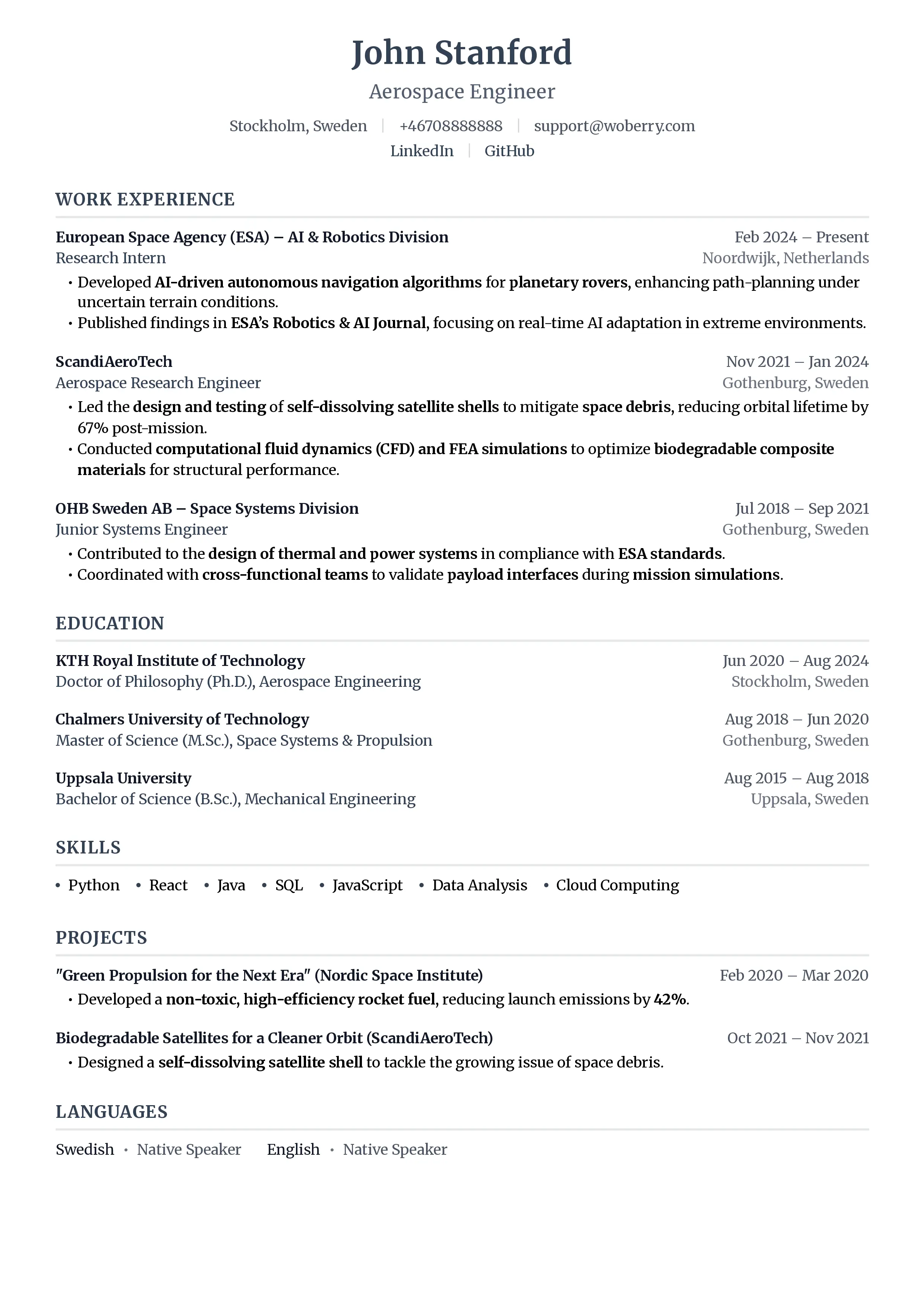
Graduation dates: Remove them unless you graduated within the last 10-15 years. Your degree is relevant; when you earned it usually isn't.
Before:
B.S. Computer Science, University of Michigan, 1992
After:
B.S. Computer Science, University of Michigan
Early career history: Your resume doesn't need to include your entire career. Focus on the most recent 15-20 years, which covers what's relevant for most positions.
Before:
Experience
- Senior Manager, Current Company, 2018-Present
- Manager, Previous Company, 2010-2018
- Associate Manager, Earlier Company, 2002-2010
- Junior Analyst, First Job, 1995-2002
- Intern, Old Company, 1994
After:
Experience
- Senior Manager, Current Company, 2018-Present
- Manager, Previous Company, 2010-2018
- Additional experience available upon request
Dated terminology: Replace outdated terms with current equivalents:
| Dated | Current |
|---|---|
| Personnel | Human Resources / HR |
| Data Processing | IT / Information Technology |
| Typing speed | Keyboard proficiency |
| Word Perfect, Lotus 1-2-3 | Microsoft Office Suite |
| Fax, telex | Digital communication |
Modernize Your Format
Use current formatting:
- Clean, simple design
- Professional fonts (Calibri, Arial, Garamond)
- Appropriate white space
- Single page if possible, two maximum
- No objective statement (use summary instead)
Remove obsolete elements:
- Physical mailing address (city, state is sufficient)
- Home phone (list mobile only)
- "References available upon request" (assumed)
- Personal information (marital status, nationality)
Add modern elements:
- LinkedIn profile URL
- Professional email (firstname.lastname@gmail.com, not aol.com)
- Portfolio or personal website if relevant
- GitHub or relevant professional profiles
Demonstrate Technology Comfort
Explicitly list modern technologies you use:
Technical Skills Google Workspace (Docs, Sheets, Slides), Slack, Zoom, Salesforce, HubSpot, Asana, Microsoft 365, basic SQL, AI tools (ChatGPT, Claude for research)
Even if these seem obvious, listing them counters the "can they use our systems?" concern.
Quantify Recent Achievements
Your experience advantage is real, but it needs proof.
Weak:
25 years of experience in sales management
Strong:
Led 45-person sales team achieving 128% of quota in 2024 Implemented CRM optimization that increased pipeline visibility and shortened sales cycle by 22% Mentored 12 direct reports, 5 promoted to management roles
Focus on what you accomplished recently, not how long you've been doing something.
The Summary Statement
Your resume summary is prime real estate. Use it to position your experience as an asset:
Before (age-emphasizing):
Seasoned professional with 30 years of experience seeking to leverage extensive background in marketing management.
After (value-emphasizing):
Marketing leader who builds high-performing teams and scales revenue. Track record of launching products that achieve market leadership, most recently driving 40% year-over-year growth for enterprise software division.
The revised version emphasizes what you can do, not how long you've been doing it.
Skills Section Strategy
Lead with current, relevant skills:
High priority (list first):
- Current technologies and tools
- Leadership and management capabilities
- Industry-specific expertise
- Strategic abilities
Lower priority (or omit):
- Skills that are no longer differentiating
- Technologies that have been superseded
- Certifications that have expired
Demonstrate Continuous Learning
Counter the "set in their ways" concern by showing ongoing development:
Recent Training
- Google Analytics 4 Certification, 2025
- AI for Business Leaders, LinkedIn Learning, 2024
- Agile Project Management, Scrum Alliance, 2024
Certifications and training from the past 2-3 years signal that you continue to grow.
Interview Preparation
Getting past resume screening is half the battle. Interviews present additional opportunities to counter age bias.
Energy and Enthusiasm
Age stereotypes include assumptions about energy levels. Counter them through:
- Enthusiastic but genuine demeanor
- Examples of recent demanding projects
- Stories that demonstrate adaptability
- Questions that show genuine curiosity about the role
Technology Fluency
Demonstrate comfort with technology naturally:
"I set up a Slack workflow for my team that reduced status meeting time by 40%..." "I've been using AI tools to accelerate market research, which let us move faster on the competitive analysis..."
Work technology into your stories rather than defensively asserting you "can learn" systems.
Frame Experience as Asset
Connect your experience to their challenges:
"Having managed through three economic downturns, I've developed frameworks for maintaining team performance during uncertainty..." "In my experience building teams across multiple companies, I've learned what accelerates ramping new hires..."
Experience becomes valuable when connected to specific problems they face.
Address Overqualification Directly
If you're applying for roles below your previous level, address it:
"I noticed this role is more hands-on than my recent positions. That's actually appealing to me. I want to be closer to the work, and this role offers exactly that opportunity..."
Don't let them assume you'll be unhappy. Explain your genuine interest.
Where to Focus Your Search
Some environments are more age-friendly than others.
Better Options
Established companies: Organizations with workforce diversity tend to value experience more.
Regulated industries: Healthcare, finance, government often favor experienced candidates due to compliance requirements.
Consulting: Experience is explicitly valued and billed at higher rates.
Sales: Results-driven metrics reduce subjective bias.
Management roles: Experience directly applies to leadership positions.
Small businesses: Personal relationships matter more than resume screening.
Harder Options
Startups: Youth-centric culture and often explicit age bias.
Tech giants: Algorithm-driven screening may disadvantage non-traditional candidates.
Entry-level roles: Overqualification concerns peak here.
Youth-focused brands: Cultural alignment questions increase.
This doesn't mean avoid harder options entirely, but understand where you'll face more resistance.
The Network Advantage
Older workers often have extensive networks. Use them.
Leverage Relationships
People hire people they know and trust. Your years of experience mean more relationships:
- Former colleagues who are now decision-makers
- Industry contacts who can make introductions
- Alumni networks from schools and past employers
- Professional association connections
Personal referrals bypass resume screening entirely.
Provide Value First
Don't just ask for help. Offer it:
"I noticed your company is expanding into [area]. I led a similar expansion at [Previous Company] and would be happy to share what worked..."
Establish yourself as someone with valuable perspective, then explore opportunities.
Be Direct About What You Want
Vague networking is ineffective. Be specific:
"I'm looking for Director-level marketing roles in B2B SaaS. If you know anyone at [target companies] or similar organizations, I'd appreciate an introduction."
Clear asks generate better results than general "keeping options open" conversations.
Salary Considerations
Age bias often connects to salary concerns. Address proactively when appropriate:
If salary expectations come up:
"I'm flexible on compensation. What matters most to me is finding a role where I can contribute meaningfully. What's the range for this position?"
This signals you're not automatically expecting top-of-range salaries.
If you're willing to accept less:
"Given my interest in [industry/company/role], I'm comfortable with compensation in line with the position's level rather than my previous roles."
Don't undersell yourself unnecessarily, but remove compensation concerns if they're blocking opportunities.
Legal Reality
The Age Discrimination in Employment Act protects workers 40 and older from age-based discrimination. In theory.
In practice:
- Discrimination is difficult to prove
- Companies rarely state age explicitly
- "Culture fit" provides legal cover for bias
- Litigation is expensive and rarely successful
Know your rights, but don't rely on legal protection. Strategic positioning works better than legal action.
The Mindset Shift
The job market has changed since you last searched. Adjust your approach:
Then: Resumes mailed, interviews scheduled by phone, hiring based on credentials Now: Online applications, ATS screening, video interviews, cultural assessment
Then: Experience = automatic advantage Now: Experience = advantage only if presented strategically
Then: Employer loyalty meant long tenure Now: Long tenure raises questions about adaptability
Your experience is valuable, but you need to translate it into terms that resonate with current hiring practices.
Action Checklist
Before you apply:
- Removed graduation dates older than 15 years
- Limited work history to most recent 15-20 years
- Replaced dated terminology with current language
- Added modern technical skills explicitly
- Updated to current resume format
- Created professional Gmail address
- Added LinkedIn profile URL
- Quantified recent achievements
- Included recent certifications or training
- Summary emphasizes value, not tenure
Your Advantage
Age discrimination is real, but so are your advantages:
- Deep expertise that takes years to develop
- Relationship networks built over decades
- Judgment refined through multiple economic cycles
- Leadership skills developed through actual leadership
- Reliability proven through track record
- Perspective that comes only from experience
The challenge isn't that you lack value. It's positioning that value in ways that overcome bias.
Ready to modernize your resume? ResumeFast's AI resume builder helps you present your experience in contemporary, competitive formats.
Your resume is your first impression. Make it count.
Join 50,000+ job seekers using ResumeFast to build ATS-optimized resumes that actually get interviews.
No credit card required. Free forever.
Continue Reading
View all articles
Job Hopping in 2026: How Short Tenures Actually Read on Your Resume

How to Explain a Layoff on Your Resume (Without Killing Your Chances)
When to Get Your Resume Reviewed (The 7 Trigger Points)
Best Resume Review Services Compared (2026 Pricing)
Resume Accomplishments vs Responsibilities: The Difference That Gets Interviews
Salary Negotiation Starts at Your Resume: How to Position Yourself for Higher Pay
Build a resume that gets interviews
Ready to build your resume?