Both Sides Are Using AI: How to Stand Out When Everyone's Automating
Companies use AI to screen resumes. Candidates use AI to write them. Learn how to break through the noise and stand out in the AI hiring arms race of 2026.

Raman M.
Software Engineer & Career Coach
On this page
Build a resume that gets interviews
- ATS-optimized templates
- AI-powered writing
- Free to start
No credit card required
You're staring at a job listing. You open ChatGPT, paste the description, and ask it to tailor your resume. Meanwhile, on the other side of that listing, a recruiter's AI is getting ready to scan whatever you send. Both of you are automating. Neither of you is connecting.
This is the AI hiring arms race of 2026, and it's creating one of the strangest dynamics the job market has ever seen.
The Arms Race, Explained
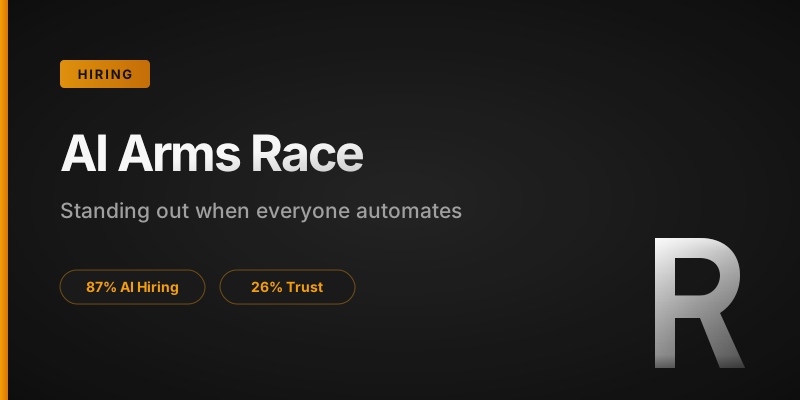
Here's what's actually happening. According to a 2025 SHRM survey, 87% of companies now use some form of AI in their recruiting process. That includes resume screening, candidate ranking, interview scheduling, and even initial outreach. The machines are doing the filtering before a human ever sees your name.
At the same time, candidates have caught on. Mass-apply browser extensions let job seekers blast 100+ applications per day with AI-generated resumes tailored to each listing. Tools that rewrite your bullets, optimize for keywords, and auto-fill applications are everywhere.
The result? Recruiters are drowning. The average corporate job posting now receives over 250 applications, up from around 150 just two years ago. And a growing chunk of those applications look eerily similar, because they were all written by the same handful of AI models.
Here's the kicker: only 26% of job applicants say they trust AI-driven screening to evaluate them fairly, according to a 2025 Pew Research study. Candidates don't trust the system. But they're feeding it anyway, because they feel like they have no other choice.
Why "More Applications" Isn't the Answer
The instinct is understandable. If AI is filtering you out, just apply to more places, right? Volume should eventually win.
It doesn't. Data from Jobvite's 2025 Recruiter Nation report shows that candidates who send fewer, more targeted applications get interview callbacks at nearly 3x the rate of mass-appliers. The reason is straightforward: when you spray and pray, every application is generic. And AI screening tools are getting better at detecting generic content.
Think about it from the recruiter's perspective. They're seeing dozens of resumes with nearly identical phrasing. "Leveraged cross-functional collaboration to drive strategic initiatives." "Spearheaded data-driven decision making to optimize business outcomes." These phrases don't mean anything anymore. They're AI filler, and both humans and machines are learning to skip right past them.
How to Actually Stand Out
Specificity Beats Optimization
The biggest misconception about AI screening is that you need to "beat" the algorithm with the right keywords. That's table stakes. Every AI resume tool stuffs keywords in. What separates you is specificity that no algorithm could generate.
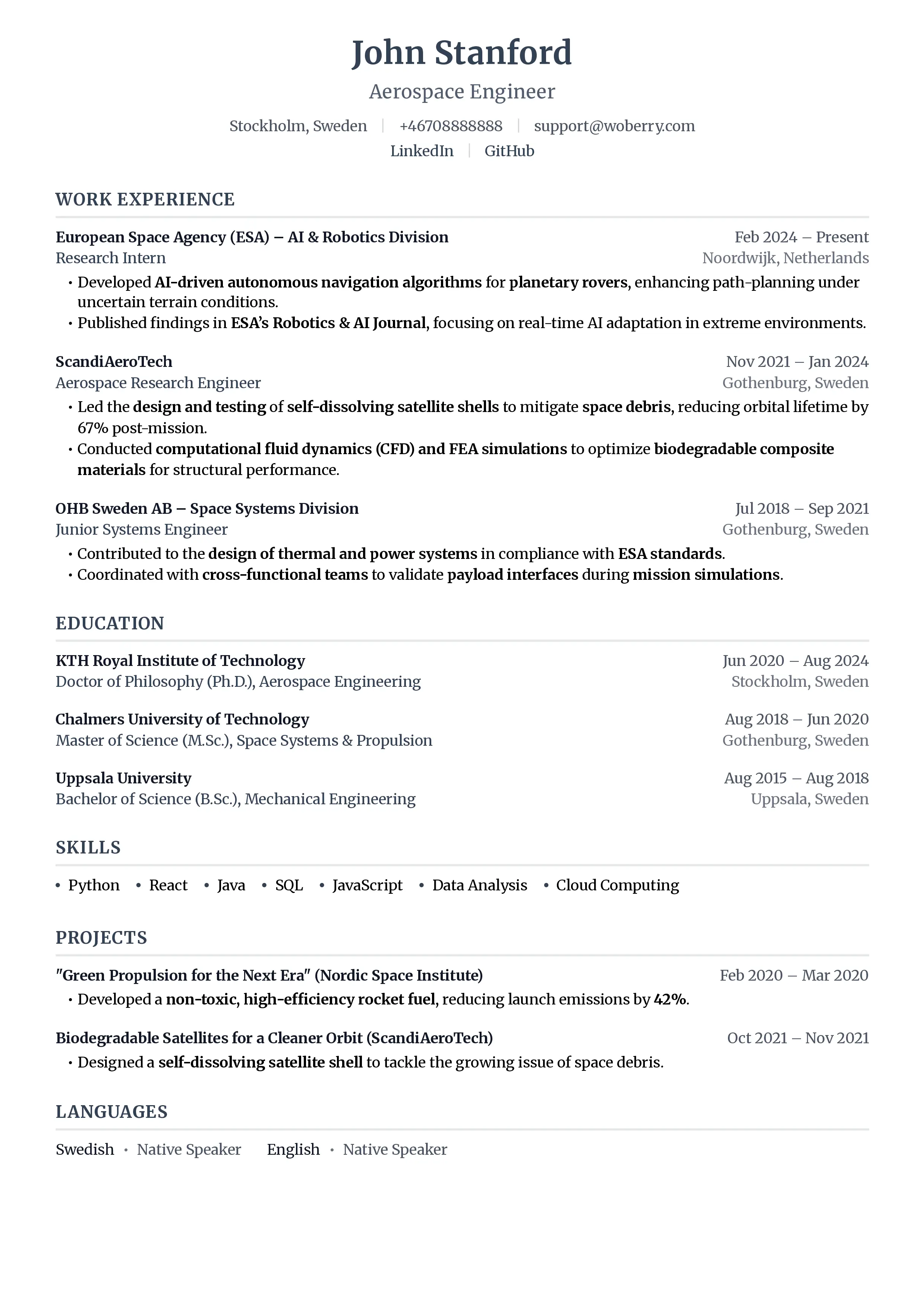
AI can write "Improved customer retention through strategic initiatives." Only you can write "Rebuilt the onboarding email sequence for Acme Corp's 12,000 free-trial users, increasing 30-day retention from 34% to 51%."
The more specific your experience, the harder it is for AI to fabricate, and the more it stands out to a human reader.
Show Results AI Can't Fabricate
Recruiters have developed a nose for AI-generated content. What they're looking for are signals of authenticity: named projects, specific metrics, context that only someone who actually did the work would know.
Before (AI-generated generic bullet):
Utilized data analytics to drive business insights and improve operational efficiency across the organization
After (authentic human bullet):
Built a Looker dashboard tracking 14 supply chain KPIs for the Portland warehouse team, cutting weekly reporting time from 5 hours to 20 minutes
The second bullet names a tool (Looker), a scope (14 KPIs), a team (Portland warehouse), and a result (5 hours to 20 minutes). That level of detail is your competitive advantage. AI tools generate plausible-sounding achievements. You can provide real ones.
The "Human Signal" in Your Resume
There's a concept gaining traction among hiring managers called the "human signal." It's the quality in a resume that makes it feel like a real person wrote it, not a language model.
Human signals include:
- Unusual word choices that reflect your actual vocabulary
- Honest scope descriptions ("managed a team of 3" instead of "led a high-performing team")
- Lessons learned or pivots ("After the first launch flopped, we redesigned the onboarding flow and...")
- Industry-specific shorthand that only insiders use naturally
You don't need to avoid AI tools entirely. Use them to brainstorm, edit, and polish. But make sure your voice, your real experiences, and your specific numbers survive the process. If you're using ResumeFast to build your resume, the AI suggestions give you a starting point, but the best results come when you layer in your own details.
For more on how to use AI without losing your voice, check out our guide on how to use AI to write your resume.
Network Around the ATS
Here's a stat that should change your strategy: employee referrals are still roughly 10x more effective than cold applications, according to LinkedIn's 2025 workforce data. A referred candidate has about a 30% chance of getting hired. A cold applicant? Closer to 2-3%.
Networking doesn't mean the ATS doesn't matter. Your resume still needs to pass the screen. But a referral often means your resume gets flagged for human review, bypassing the AI ranking entirely. One warm introduction is worth more than 50 optimized cold applications.
If you're worried about how AI screening tools evaluate your resume specifically, our breakdown of AI resume detection covers what these systems actually look for.
The Bigger Picture
The AI hiring arms race is a symptom of a deeper problem: the application process is broken for everyone. Candidates apply to too many jobs because they feel invisible. Companies use AI to cope with the flood. The AI creates more sameness. The cycle continues.
The way out isn't better AI. It's better signal. Be specific. Be human. Be strategic about where you spend your energy. And remember that on the other side of every AI screen, there's still a person making the final call.
For a broader look at how AI is reshaping white-collar work and what it means for your career, read our hub post on AI and white-collar jobs in 2026.
Frequently Asked Questions
Is it worth using AI tools to write my resume if companies are screening for AI content?
Yes, but use them as a starting point, not the final product. AI tools are excellent for structure, formatting, and brainstorming bullet points. The key is to replace generic AI phrasing with your specific achievements, metrics, and context. A resume that's AI-assisted but human-finished will outperform both a purely AI-generated resume and a purely manual one.
How many jobs should I apply to per week?
Quality matters far more than quantity. Research consistently shows that 10 to 15 well-targeted applications per week outperform 100+ spray-and-pray submissions. Spend the time you save on networking, tailoring each application, and following up with hiring managers directly.
Your resume is your first impression. Make it count.
Join 50,000+ job seekers using ResumeFast to build ATS-optimized resumes that actually get interviews.
No credit card required. Free forever.
Continue Reading
View all articles
Resume Typos and Errors: What Hiring Data Shows About the Cost of Mistakes
Cover Letter vs Resume: Differences and When You Need Both
The Complete ATS Resume Guide (2026)
Resume Writing Guide: How to Write a Resume in 2026
Job Hopping in 2026: How Short Tenures Actually Read on Your Resume

New Grad Resume Guide: How to Get Hired in 2026 Without Experience
Build a resume that gets interviews
Ready to build your resume?